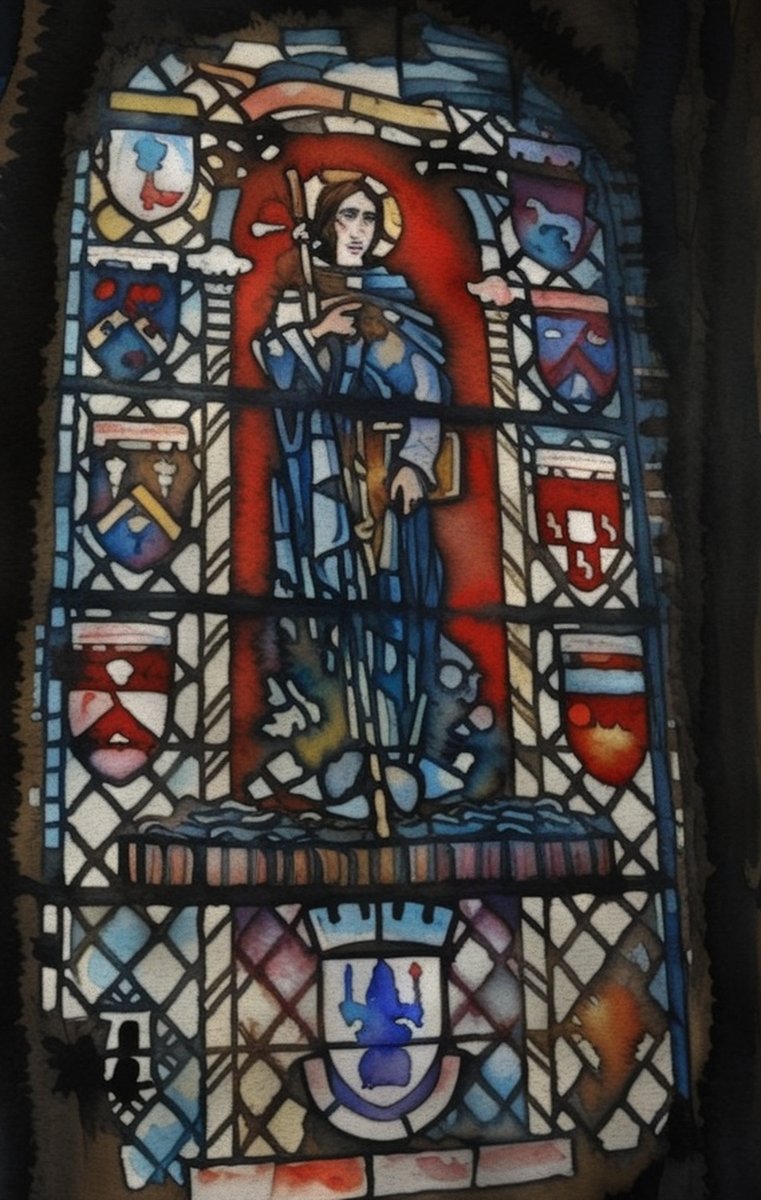
A saint read into the landscape
There is no grand building to point to here. The architecture of Saint Inan is the architecture of terrain — a cleft in a hill used as a pulpit, a spring of clear water, a chapel site reused and rededicated. Saint Inan (also Evan) was the patron saint of Irvine in Ayrshire, Scotland, said to have lived there in the 9th century AD, having come as a monk of the Celtic Church from Iona Abbey. To read his sites is to read how early worship settled itself into the contours of a wooded, watered country.
The chair on the hill. Though described as a hermit, Inan is said to have often visited Beith, frequenting Cuff Hill with its rocking stone and other prehistoric monuments. A cleft in the west front of Lochlands Hill is still known as St Inan’s Chair, and tradition holds it served the saint as a pulpit — a natural rostrum from which he preached to people gathered on the slopes. He is said to have stayed on the site of Cauldhame Cottage. The population then clustered not in Beith itself but up on the Bigholm, near the Beith water dams, in heavily wooded ground where food and fish were close and attack was distant.
The holy well and chapel
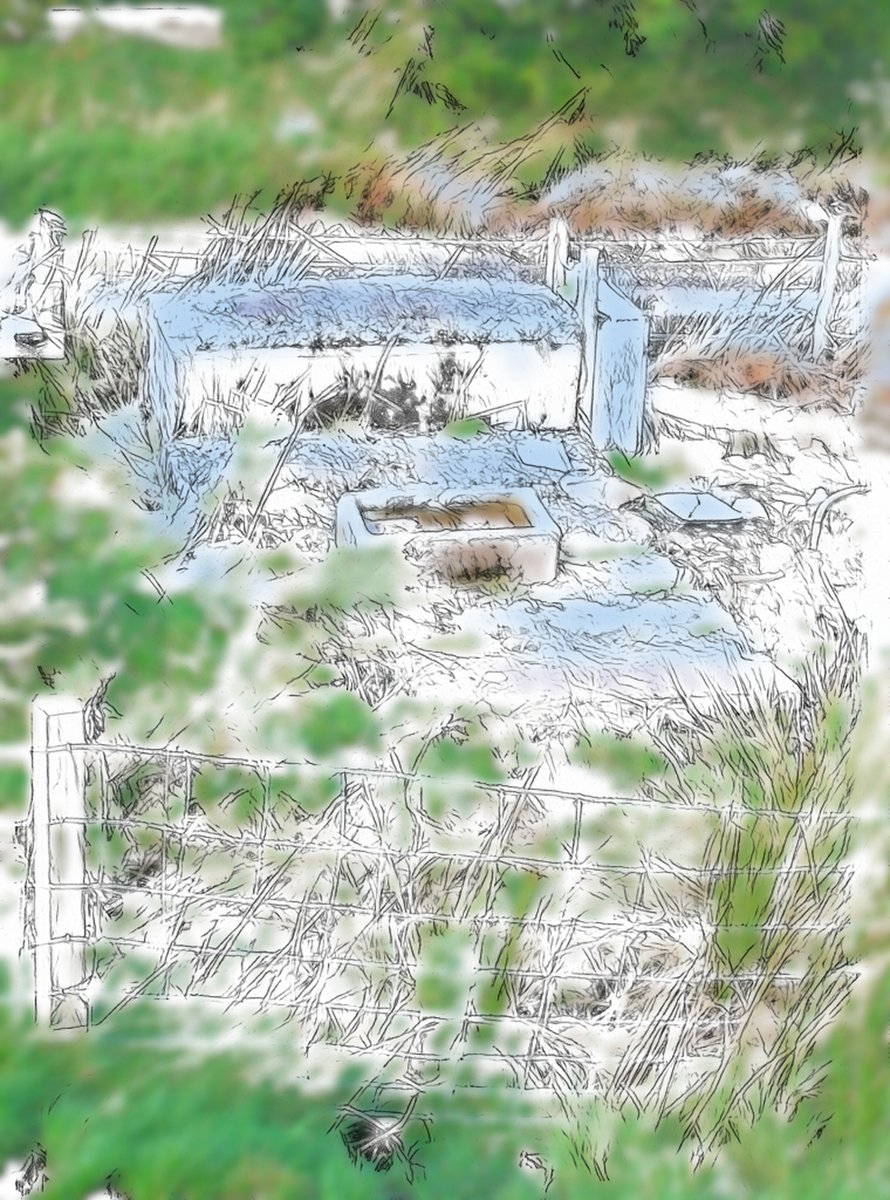
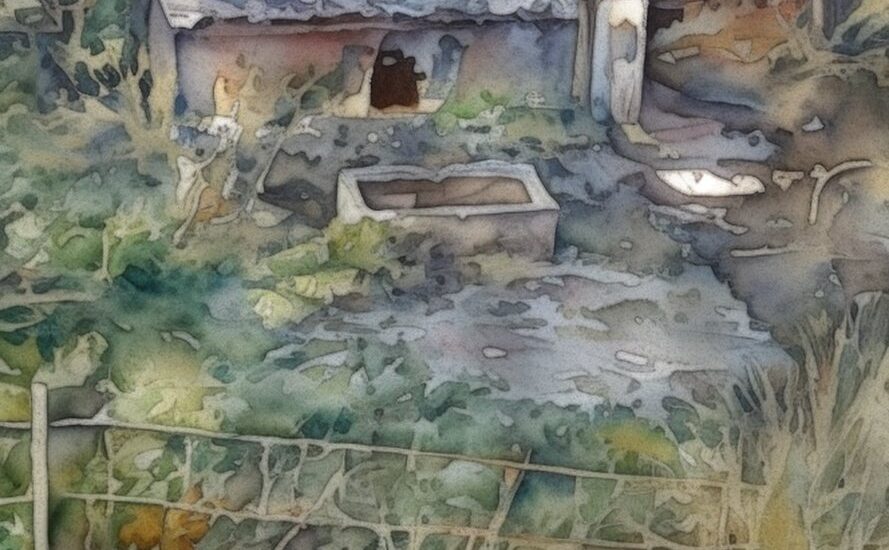
A crystal-clear holy well once lay near the chair, though the source records it as covered over by 2006. The well is usually known as St Mary’s or the Chapel Well, at grid reference NS 3226 3851, close to what was probably a chapel dedicated to St Mary. Above its opening a small stone plaque reads “St Inan’s Well AD 839” — the one inscribed, dateable mark the tradition leaves on stone.
A chapel rededicated. Saint Inan’s chapel stood on the site of the old church in Beith, its dedication later changed to St Mary the Virgin. Other wells and chapels bore his name — one supposedly at Fullarton, a chapel at Dundonald Castle, and Inchinnan in Renfrewshire, said to mean “Inan’s Isle.”
Legend and afterlife
After journeying to Rome and Jerusalem, Inan is said to have settled at Irvine, where he died and where his tomb was much frequented for its reputed miracles. His name shifted across the centuries — Evan, Innan, Enen, Annan, Tinnan, Tennant — and Beith’s annual fair, once Saint Tinnan’s Day on 18 August, still carries his memory, now held in June.