A spring with a charter older than the town
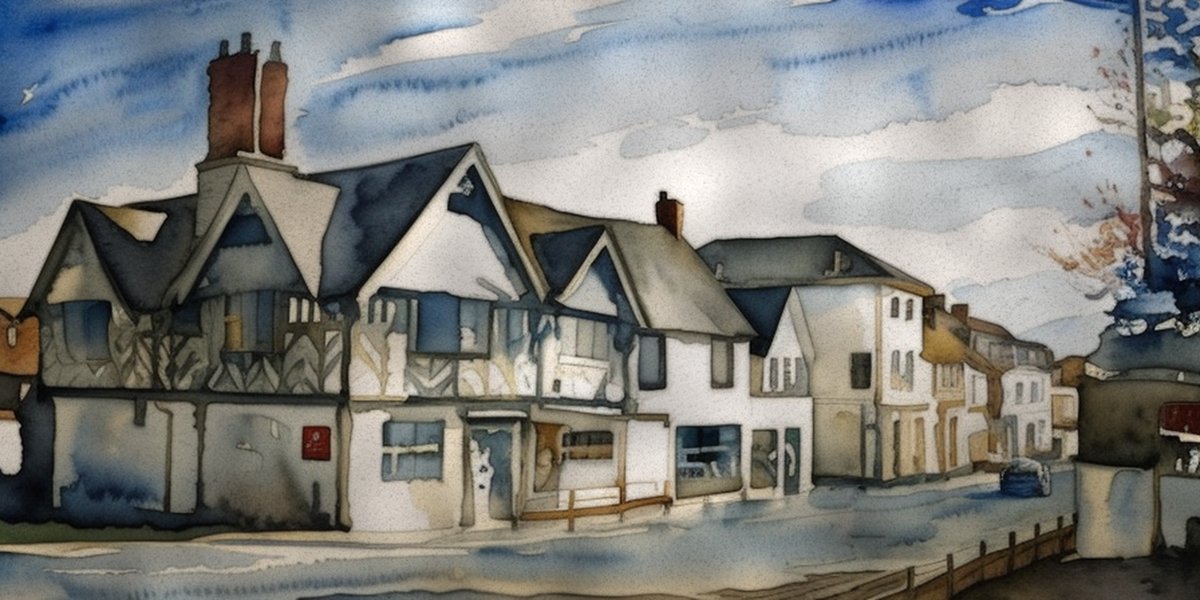
To read Southam through its water is to start in the year 998, when its Holy Well was first recorded — a date that predates almost everything else standing in this Warwickshire market town. Set in the picturesque Stowe river valley, the Well is both a Grade II listed structure and a Scheduled Ancient Monument, a rare doubling of protection that signals how much weight the site carries. Southam itself sits in the Stratford-on-Avon district, on the River Stowe, a tributary of the Itchen, and the Well belongs entirely to that low, hemmed-in valley landscape.
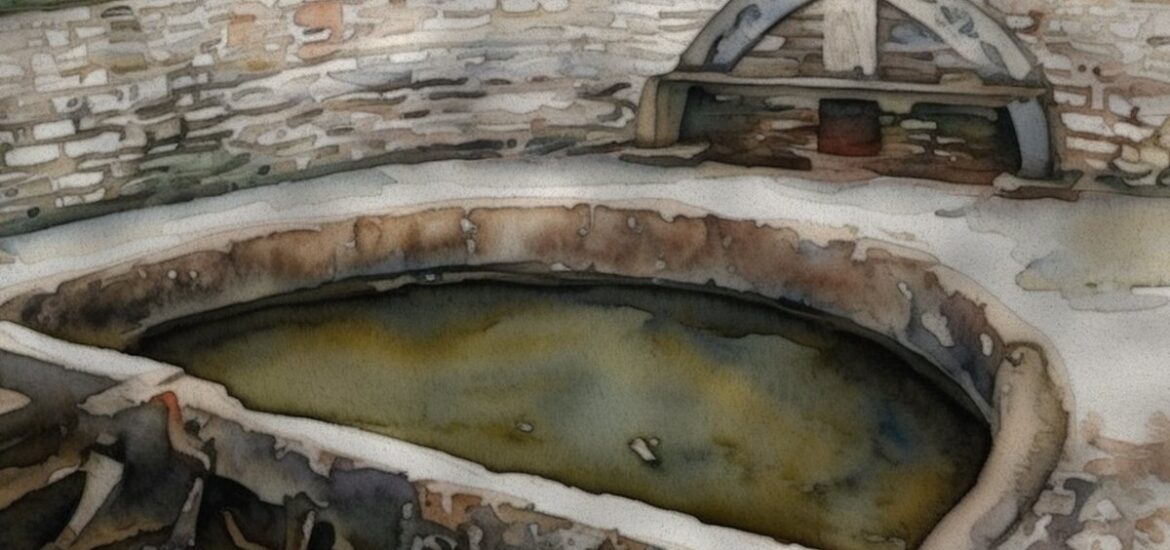
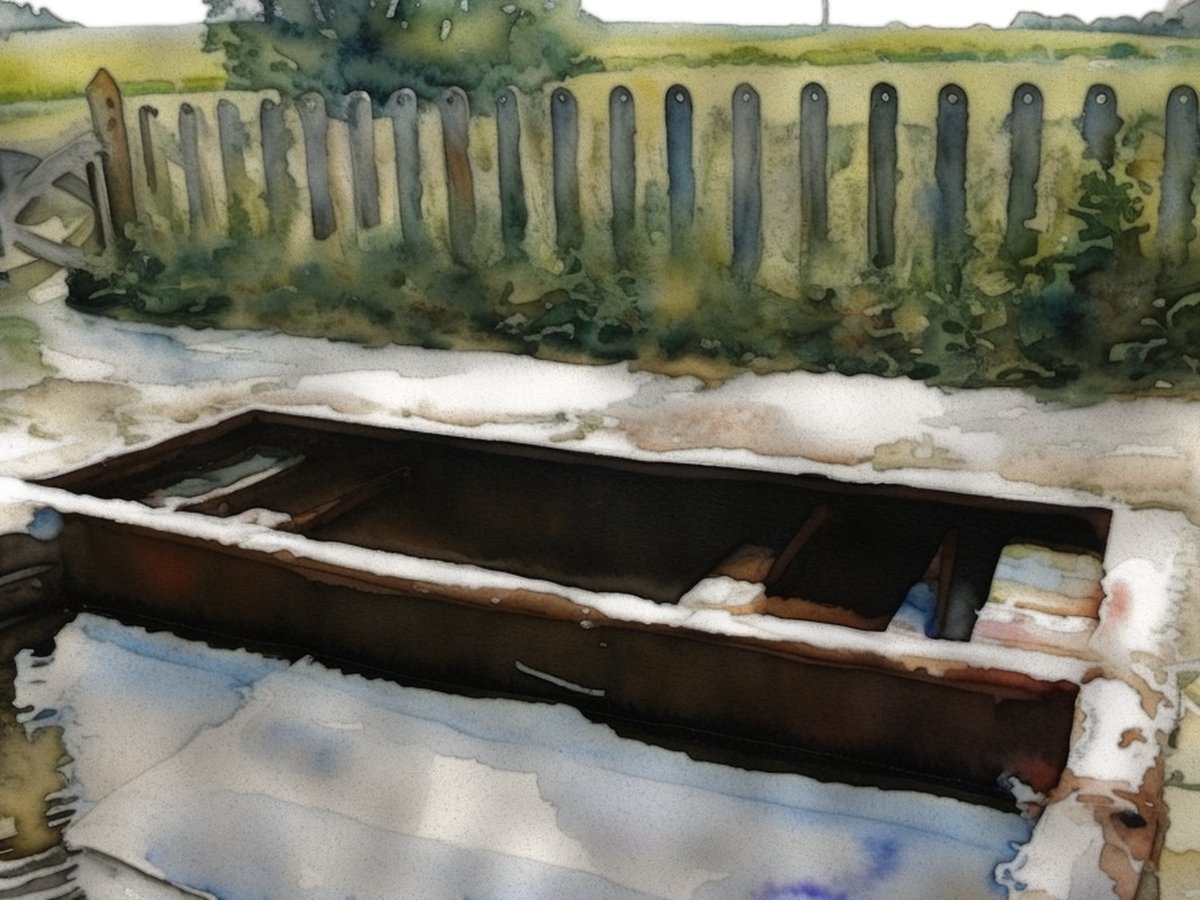
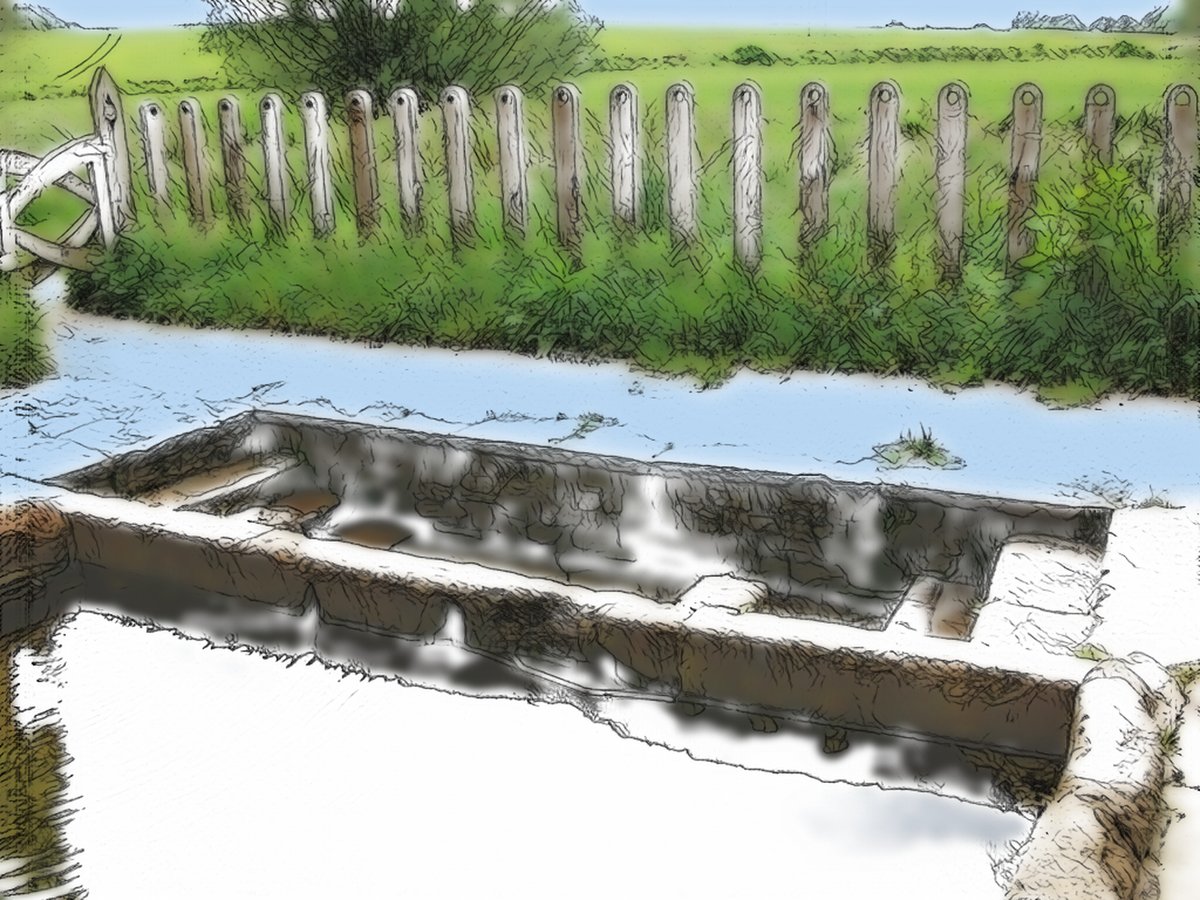
The architecture of the Well. The form is disarmingly simple and entirely purposeful. A natural mineral spring feeds a semi-circular basin, and the water pours out through the mouths of carved stone gargoyles into the river below. There is no architect named in the record, no precise build date — this is vernacular work, shaped by use rather than design ambition. The gargoyles are the one note of deliberate craft: functional spouts given faces, turning a utilitarian outfall into something watched and remembered.
Use, belief, and water. For hundreds of years the Holy Well served as Southam’s principal water supply, drawn in medieval times by the local monks of Coventry Priory, who held the manor from 1043 until the Dissolution. The spring carried a reputation as well as a flow: its water was said to cure eye complaints, the kind of quiet curative claim that attaches itself naturally to a named, ancient source. That belief is the closest the site comes to a wishing tradition — a faith in the water itself rather than in coins cast into it.
A protected approach
The Well is not encountered in isolation. A footpath runs from St James’ parish church, along the protected Stowe valley, to the historic Holy Well and on toward Stoneythorpe Hall — a route favoured by walkers, ornithologists and naturalists. Between 2005 and 2007 the Well and its paths were renovated with a National Lottery grant, an act of conservation that treats the spring as living infrastructure rather than a relic. The architecture here is modest, but its lineage — water, stone, and a thousand years of recorded use — is anything but.
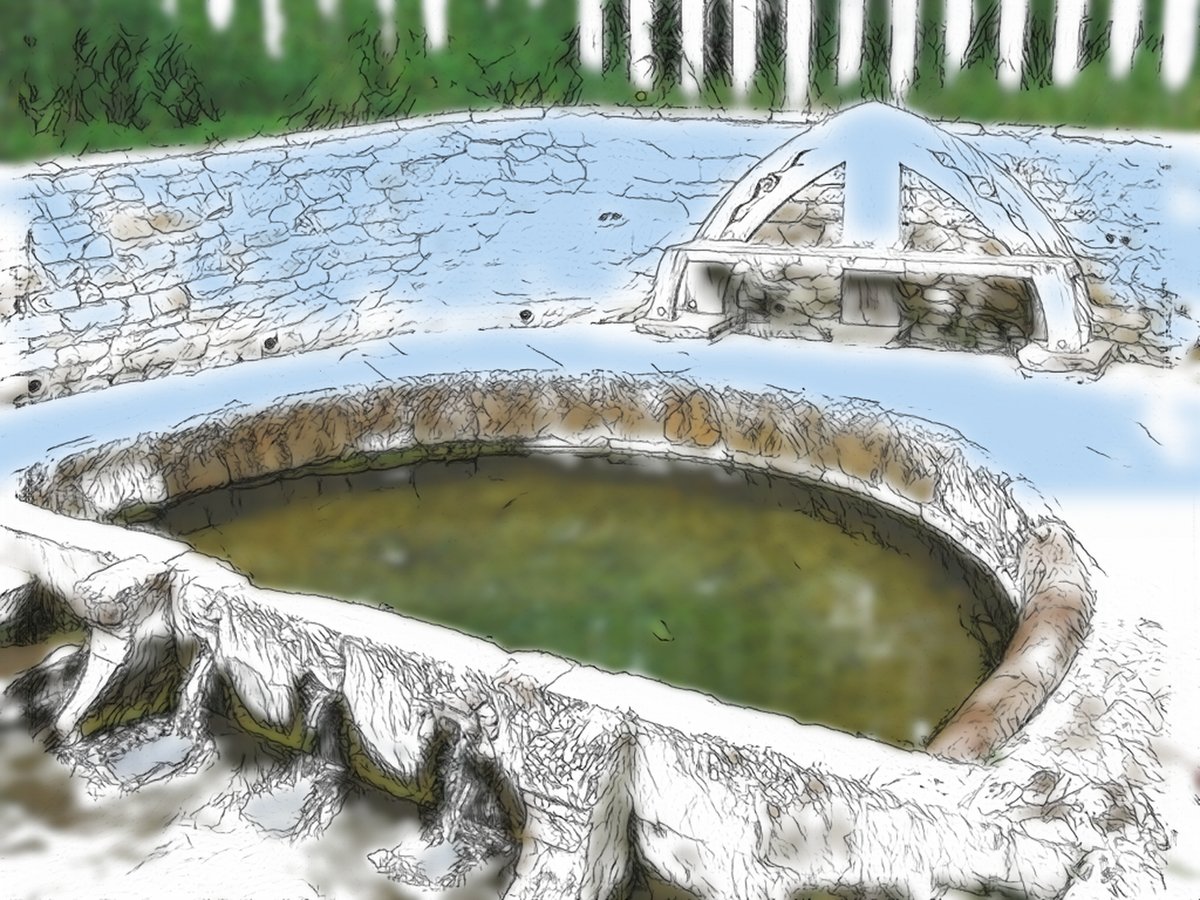
Stratford-on-Avon, United Kingdom