St. Patrick’s Well, Clonmel
Set in the Marlfield area about 3.6 km west of Clonmel town centre, St. Patrick’s Well reads less as a single building than as an assembled landscape — a holy well, a ruined church, and an ancient cross composed around water. It is a medieval Christian site in County Tipperary, Ireland, and traditional history links it to Saint Patrick himself.
The well and its pond. The source emerges from an underground stream and flows through two long hollowed-out granite spouts, an arrangement echoing St. Brigid’s Well in Kildare. These stones are not original well-furniture at all: they have been identified as flumes salvaged from an early medieval horizontal watermill, a quiet act of reuse that gives the spouts their weight and worn geometry. In 1914, Power described the well as a “great basin filled to the brim with bubbling crystal water.” Local tradition held that the water never froze in winter.
The cross and its setting
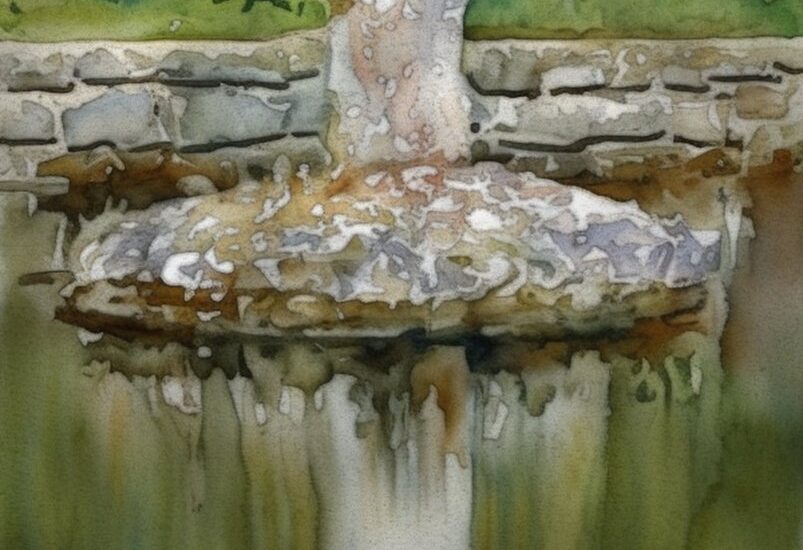
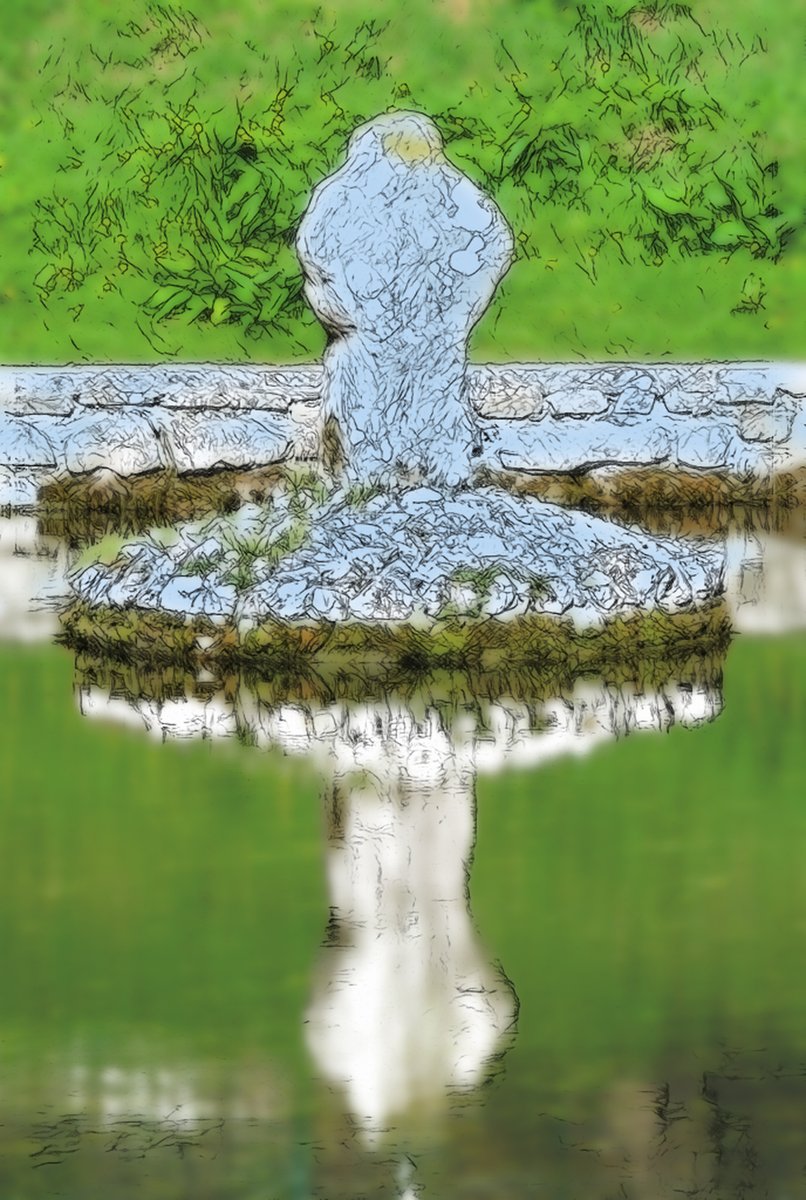
At the centre of the lake stands an undecorated early medieval stone cross. Its very crudeness is the argument for its age, and Power noted a “stunted, rude and early celtic cross” marking a penitential station. Placing the cross within the water — approached but not easily reached — turns the pond into a threshold rather than a mere reflecting pool.
The church
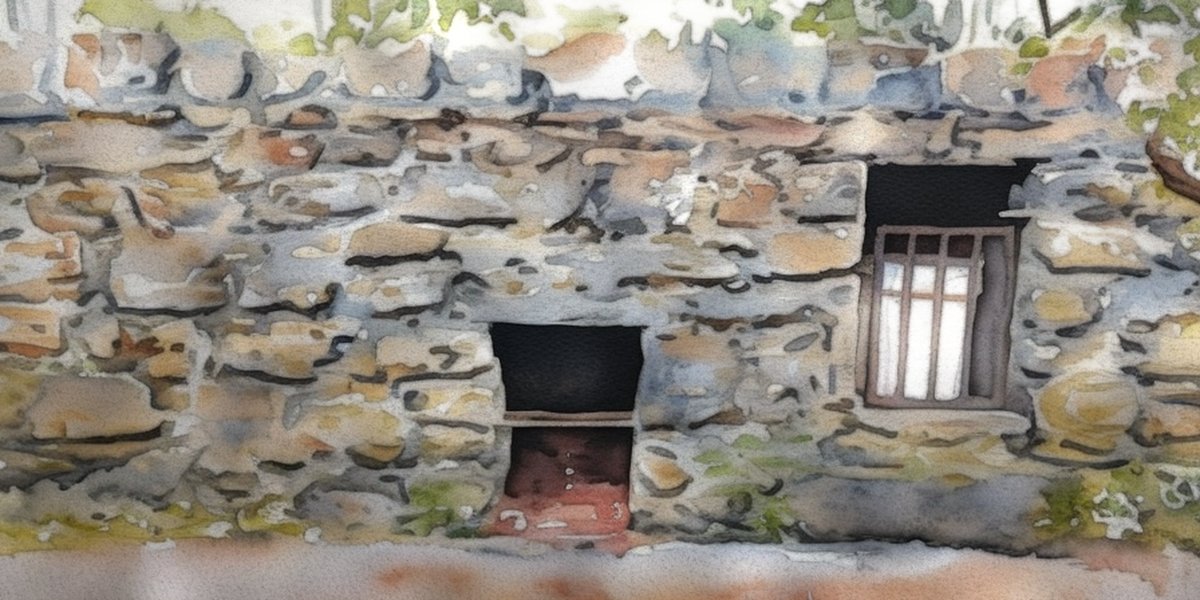
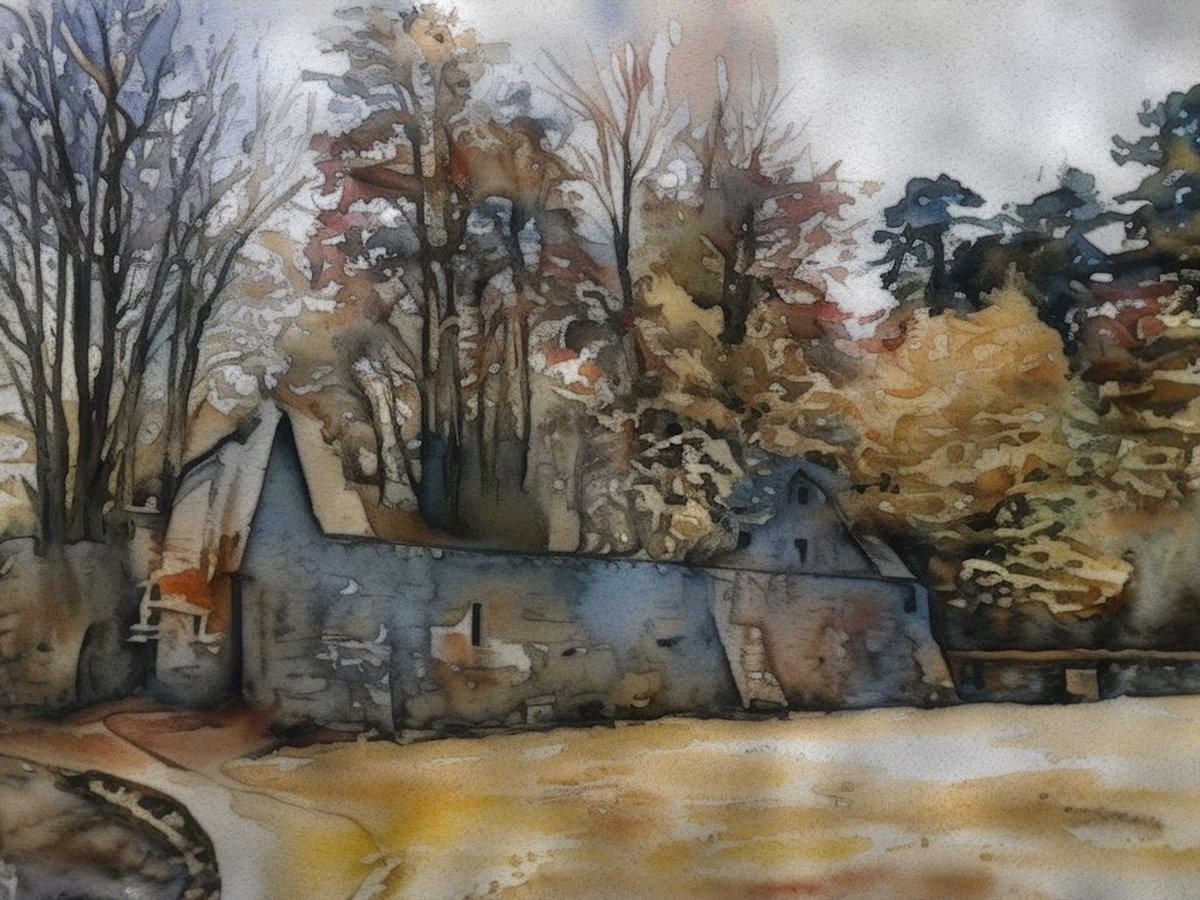
The church is a rectangular limestone structure with a high gable, possibly a medieval parish church and later a Church of Ireland place of worship into the 18th century. Its exterior has been re-pointed and restored. The fabric is a collage of salvaged history: a late medieval altar tomb brought from the demolished White Mortuary Chapel of St Mary’s, Clonmel; a surviving Romanesque sandstone coign carved with chevrons, akin to Clonmacnoise; and window heads and an armorial plaque from Inislounaght Abbey set into the east wall.
Water, pilgrimage, legend. From the 12th to 16th centuries the site belonged to Inislounaght Abbey, and it is mentioned in a 10th-century Life of Declan of Ardmore. In 1619 Pope Paul V granted pilgrims a plenary indulgence, and by the 1840s the well was still “visited by pilgrims far and near for the cure of disease especially headaches” — water, stone, and ruin holding their devotional charge.
County Tipperary, Ireland