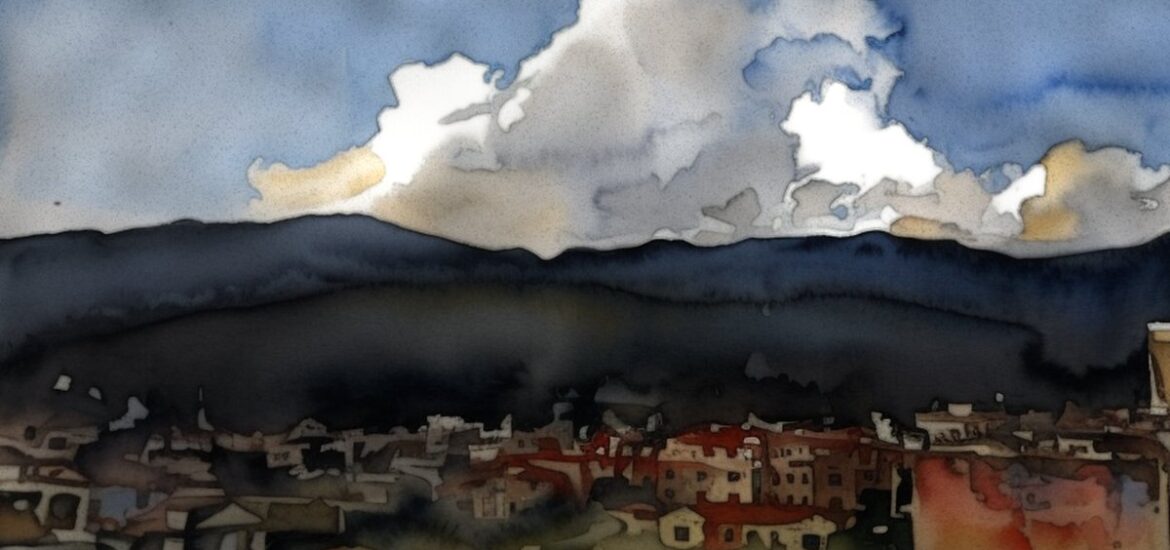
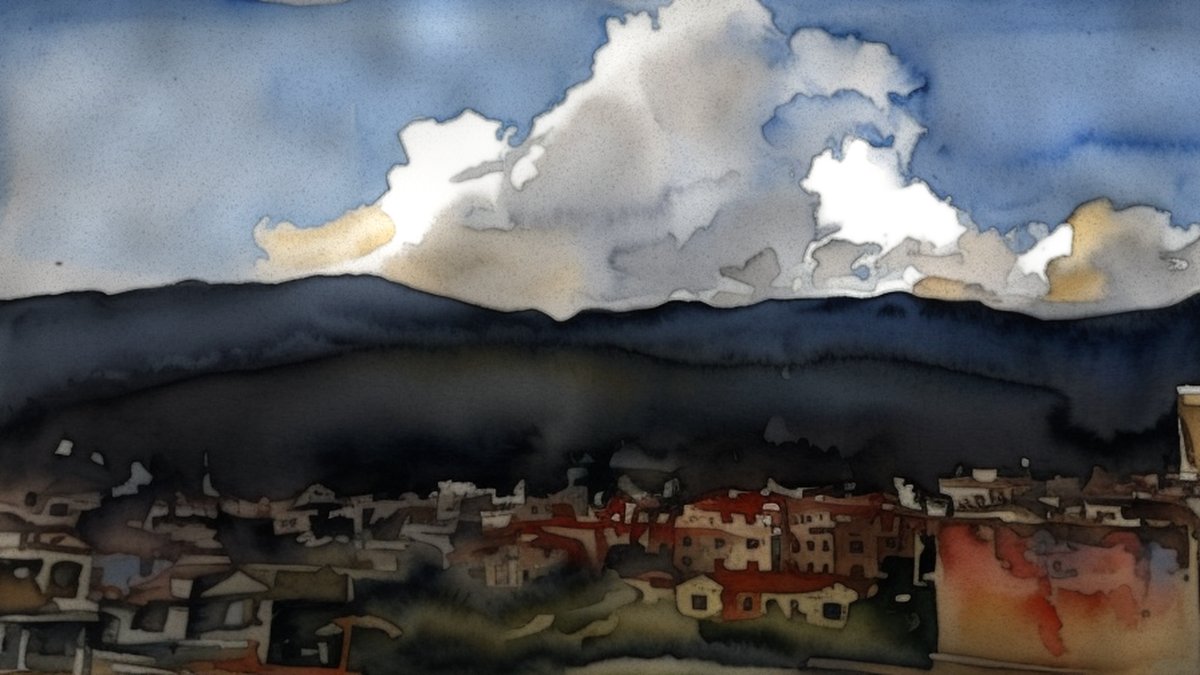
In the north of the Kathmandu Valley, at the foot of Shivapuri hill, sits a place named not for its founders but for a recumbent figure carved in stone. Budhanilkantha is, on the census ledger, the third largest city in the valley after Kathmandu and Lalitpur — 179,688 people in 2021. But a city named after a sleeping god is, to my eye, less an administrative fact than a confession of what it holds at its centre.
A name laid down in two languages
The word itself is a layered thing, and as an architect I am drawn to layered things. Budha — elder, old man, and in local usage a respectful word for a deity. Nilkantha — “blue throat,” from the Sanskrit nīla (blue) and kaṇṭha (throat). The place takes its name from the large statue found there, of Lord Nilkantha, an epithet of Shiva. A toponym, the source notes, that holds together “physical iconography” and “religious reverence” — the literal stone and the reaching toward something beyond it. I know of no Nordic equivalent: we tend to name towns for rivers and farmsteads, not for the god lying down within them.
The poison and the throat
Why “blue throat”? The source gives the myth plainly. Shiva drank poison during the churning of the ocean — the samudra manthan — and the throat that held it turned blue. I find this an extraordinarily material image: divinity not as transcendence but as a body that takes in what would destroy it and is marked by it. The colour is a stain, a record. A Scandinavian instinct prizes honesty in materials; here the myth makes a body honest, the way weather makes timber honest. The hurt is left visible at the throat.
Stone at rest, the valley around it
The municipality is named, the source says, after the sacred Budhanilkantha Temple, and an external reference points elsewhere to a “Sleeping Vishnu,” a figure carved in repose. I will not furnish what the record does not give — no dimensions, no architect, no rite I have not been told of. What I can say is that the gesture is one of recumbence: a god not standing in command but lying down, asleep, while a town of 26,678 households arranges itself around that stillness. Where my own tradition reaches for emptiness and silence to make room for the sacred, here the sacred is already present, lying down, and the living gather close. The town is the offering. The sleep is the centre.
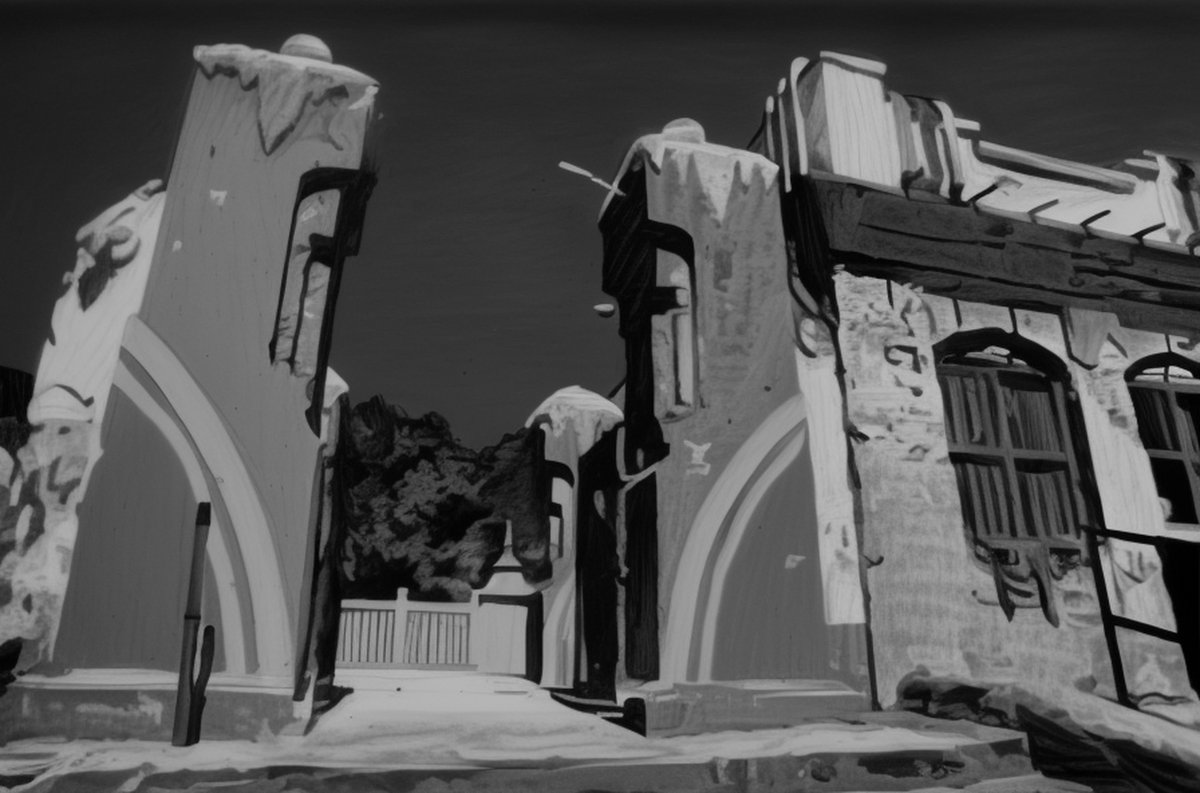
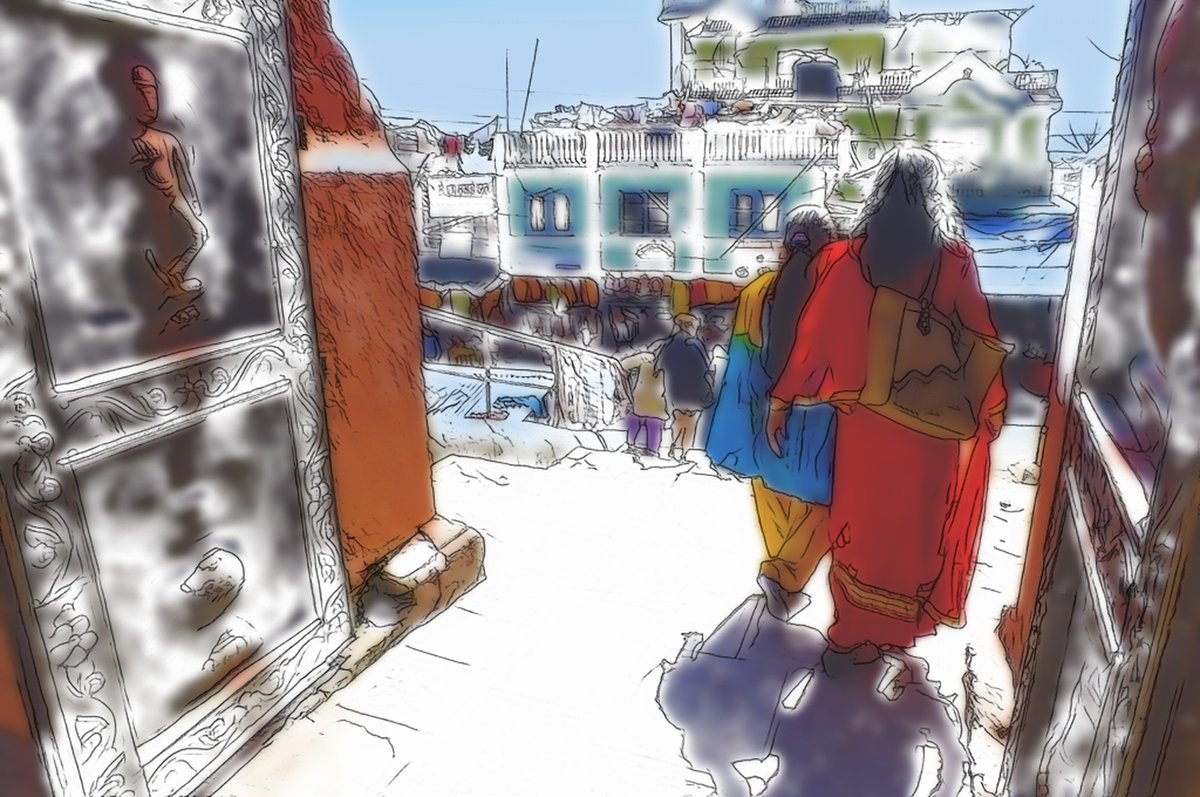
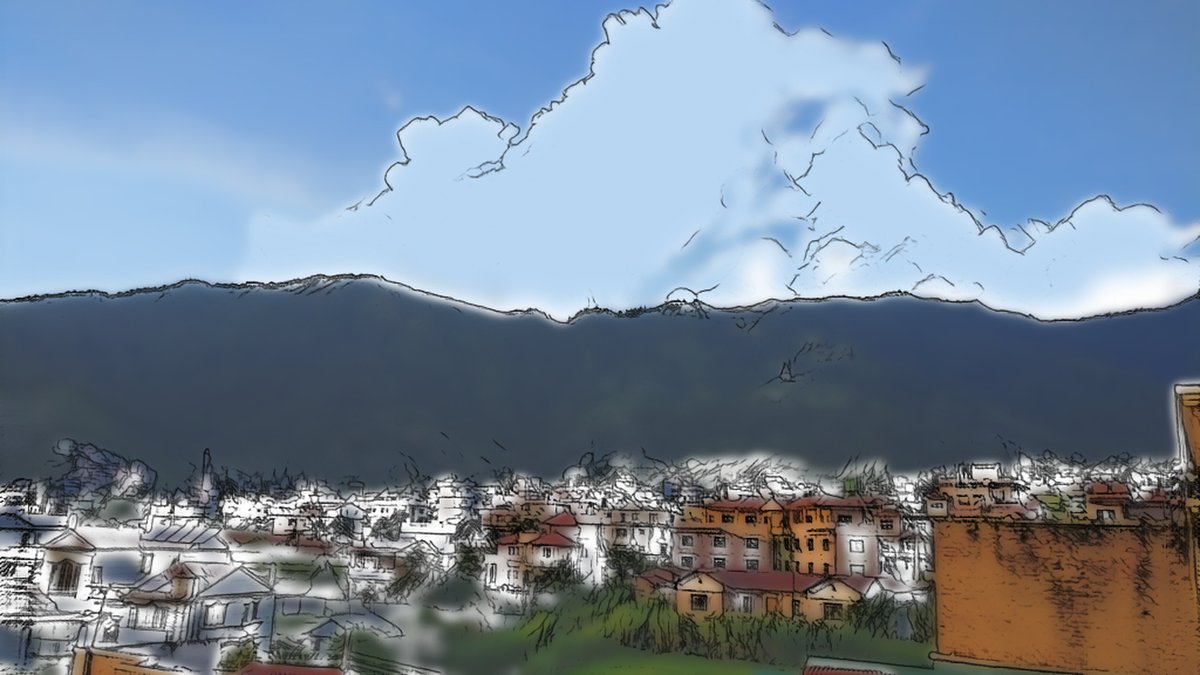
Kathmandu District, Nepal