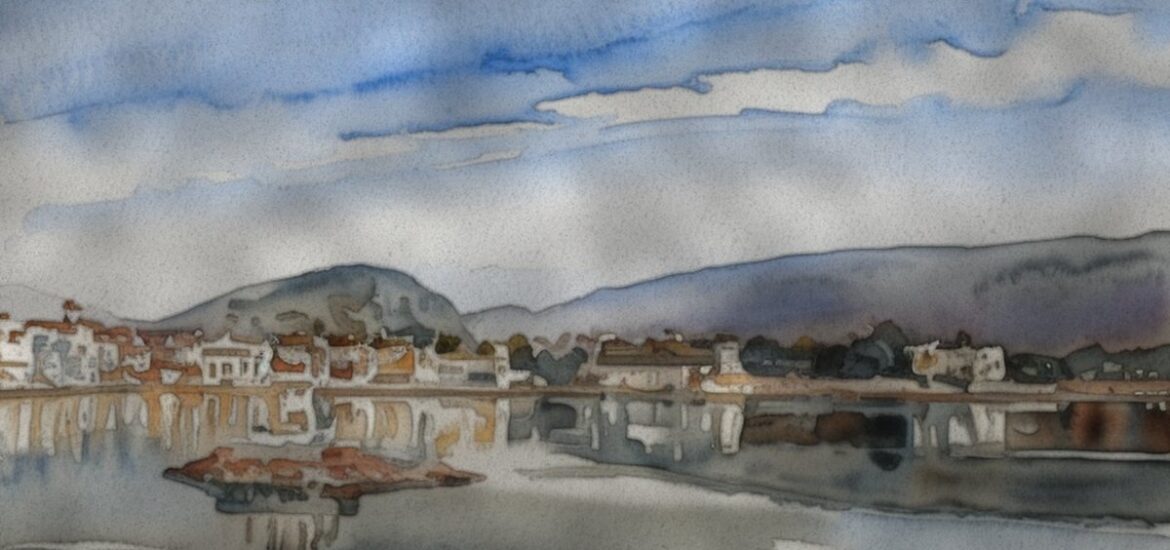
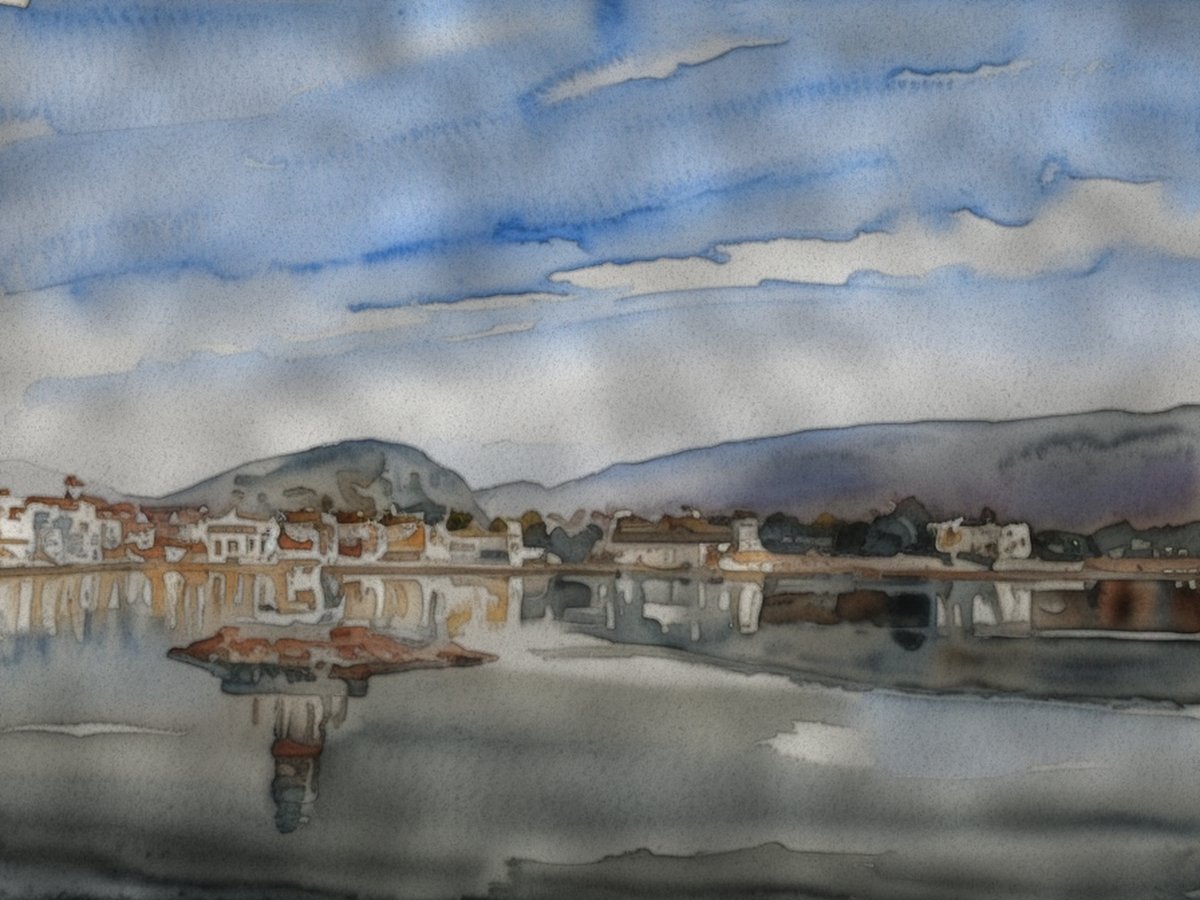
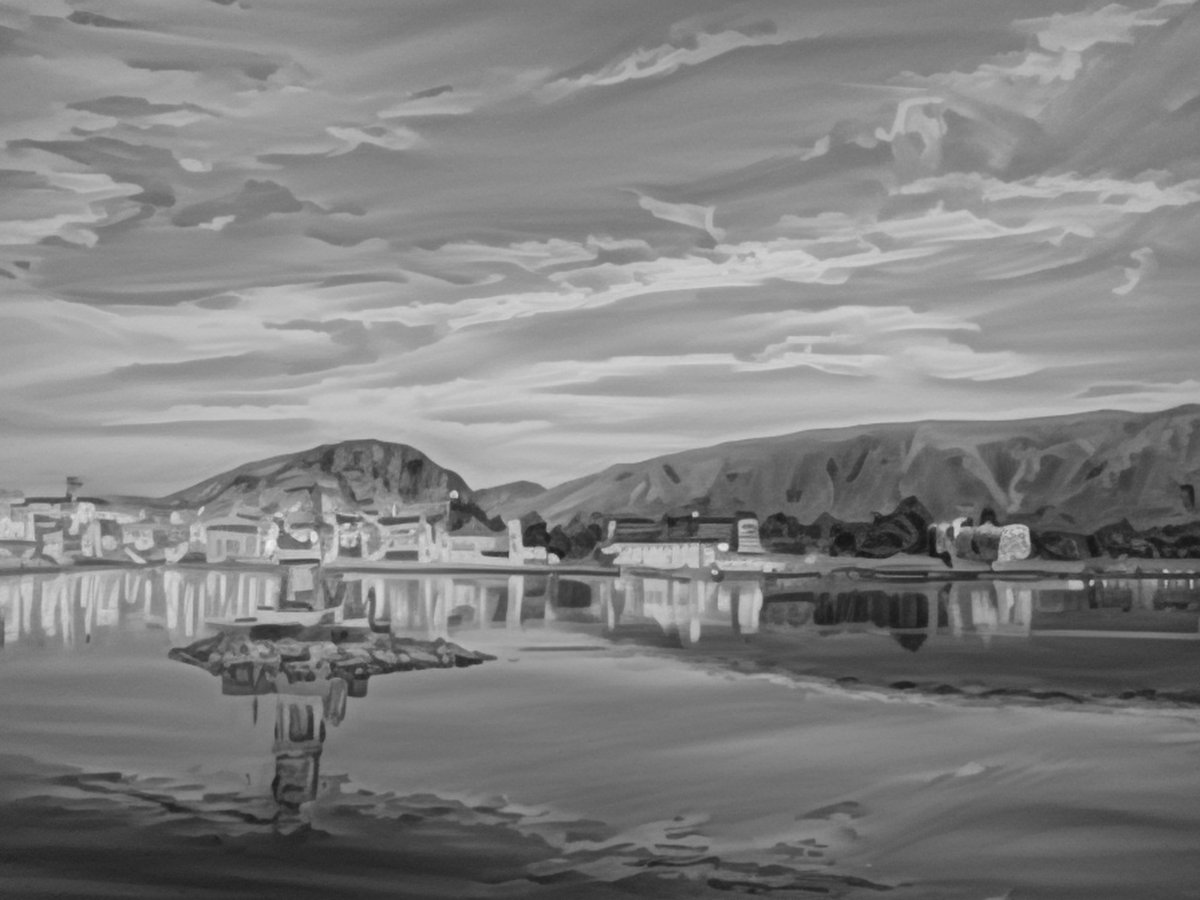
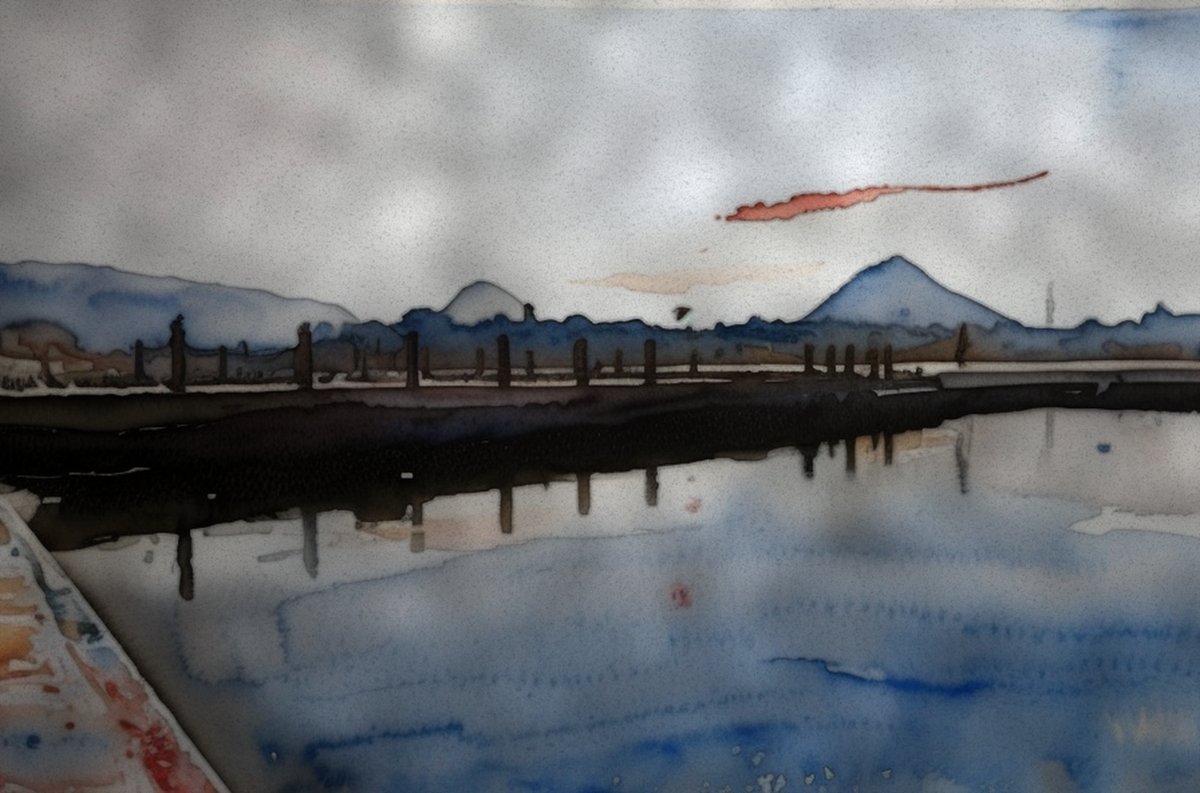
I come from a north where water is mostly silence — a grey lake holding a grey sky, and a building’s task is to frame that emptiness without disturbing it. At Pushkar, in the Ajmer district of Rajasthan, water does the opposite. It gathers people. An artificial lake, formed by a dam and held within the Aravalli hills among shifting sand dunes and desert, becomes the loudest, fullest room in the landscape. I find I must learn to read abundance the way I was taught to read restraint.
The Lotus and the Name
Begin, as the place does, with the myth. The Padma Purana tells that Brahma, the creator-god, slew the demon Vajranabha with his weapon — the lotus-flower. Petals fell to the earth at three places, and where they fell, springs rose and became three lakes; the greatest is Pushkar itself. From pushpa, flower, and kar, the hand from which it fell, comes the name. To an architect this is the cleanest possible origin story: a building of water, sited by where a flower landed. The scriptures call it Tirtha-Raj, the king of pilgrimage sites bound to a water-body, and one of the five sacred Panch-Sarovar.
The Descent
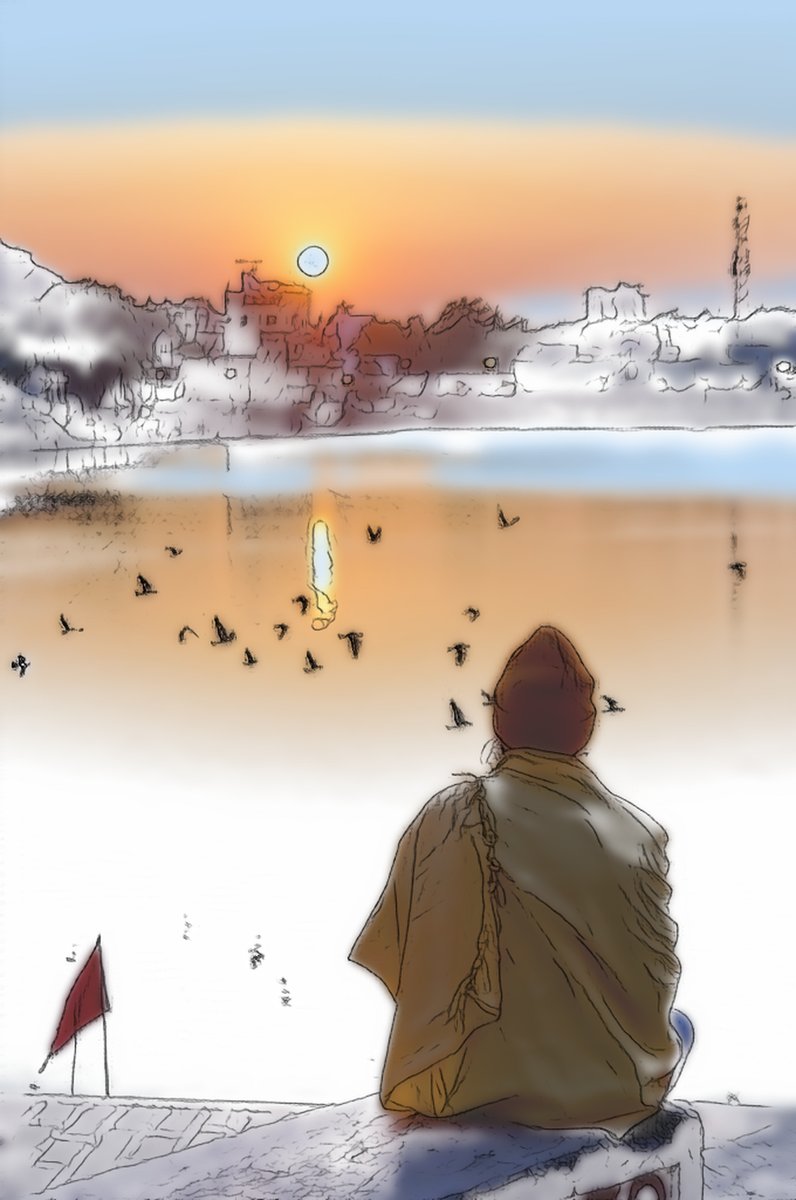
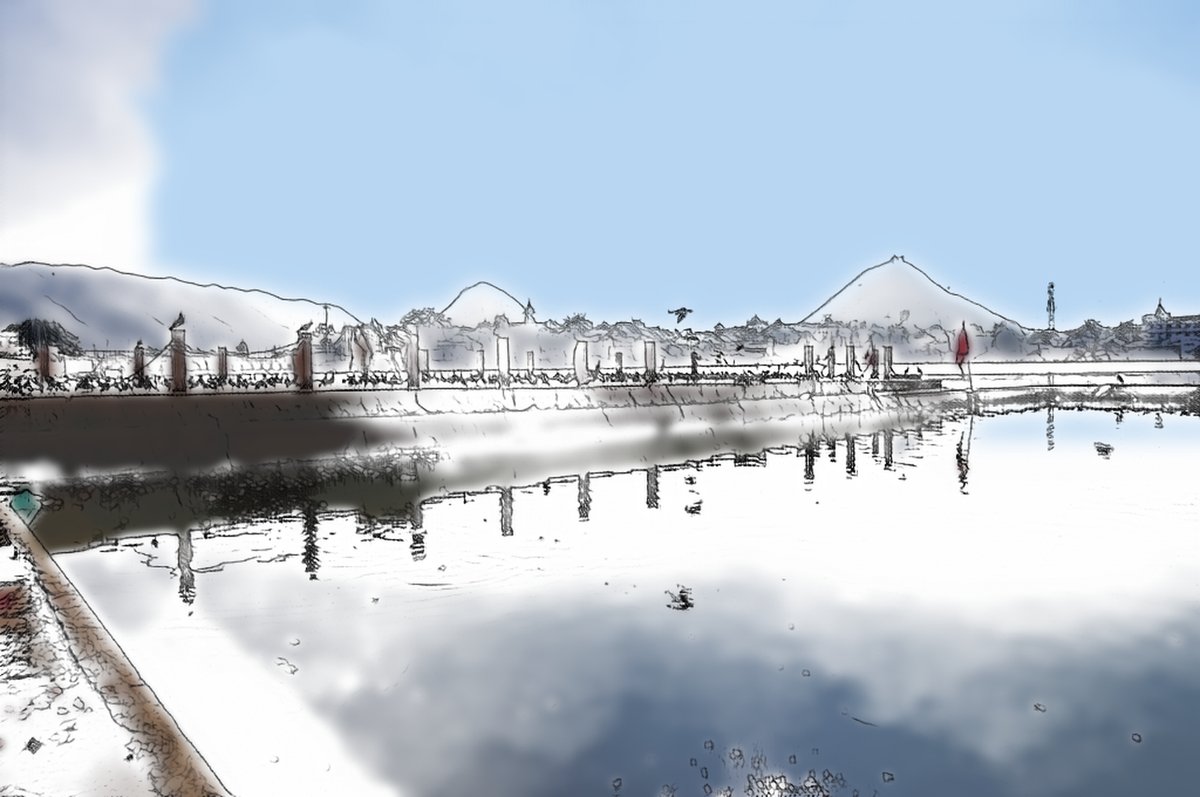
What moves me most is the section. Around the entire periphery run fifty-two ghats — stone steps laid on the gradual bank to carry the body down to the water’s edge. This is the threshold made literal: not a door but a descent. Lewerentz understood that the way you approach matters more than what you arrive at. Here the whole shore is approach. Pilgrims come down these steps to take the sacred bath, believed to cleanse sins and, by long tradition, to cure skin diseases — a ninth-century king is said to have dipped his hand and watched its marks vanish.
Offering and Belief
The water is not contemplated from a distance; it is entered. Over five hundred temples ring the precinct, the most prominent dedicated to Brahma. A red thread — the “Pushkar Passport” — is tied on a pilgrim’s wrist by a priest, given for a dakshina, an unspecified fee, marking that the bath has been made. At Kartik Poornima the lake is most crowded, a dip then believed to bring salvation.
I will not pretend to share the faith. But the material honesty is exact: stone, slope, water, and a human body bending toward it. The north teaches silence around water. Pushkar teaches that water can be a threshold you walk through, downward, into belief.
India