

St Dominic’s Holy Well: A Spring Beneath Truro’s Streets
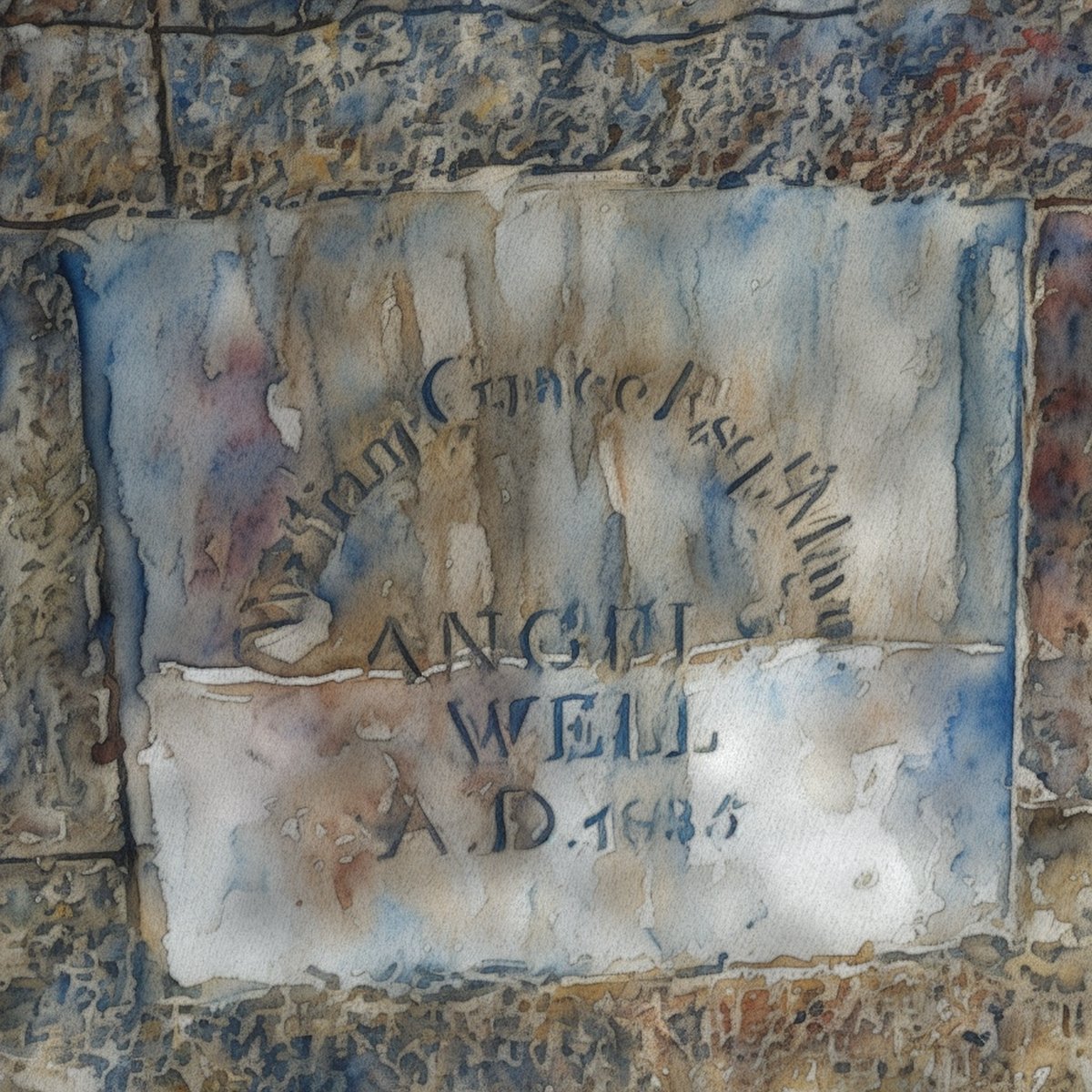
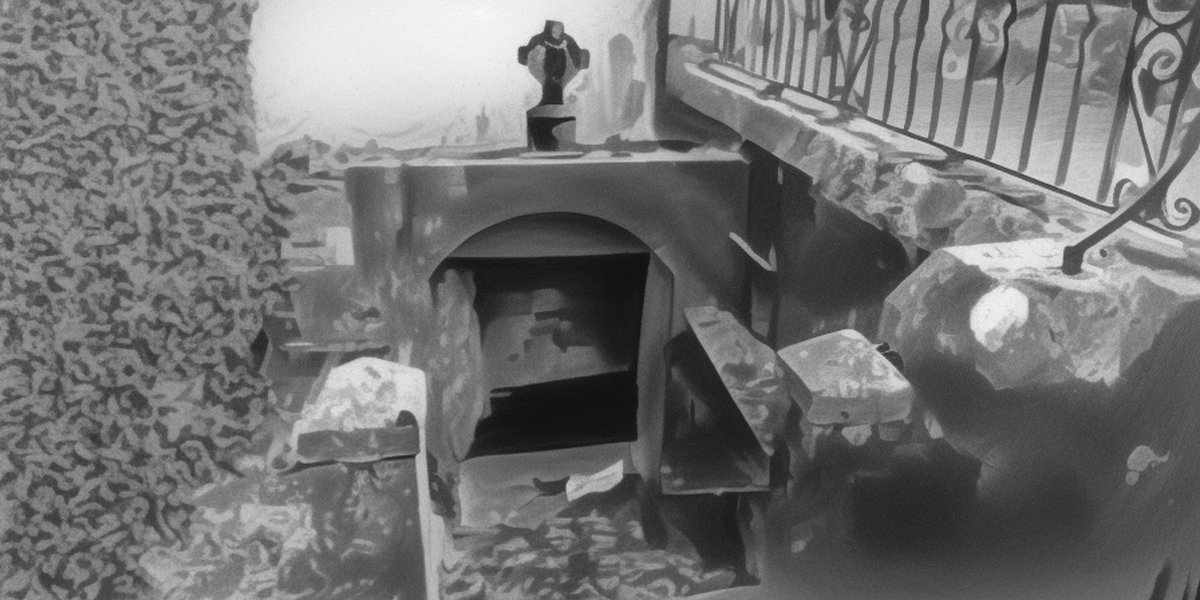
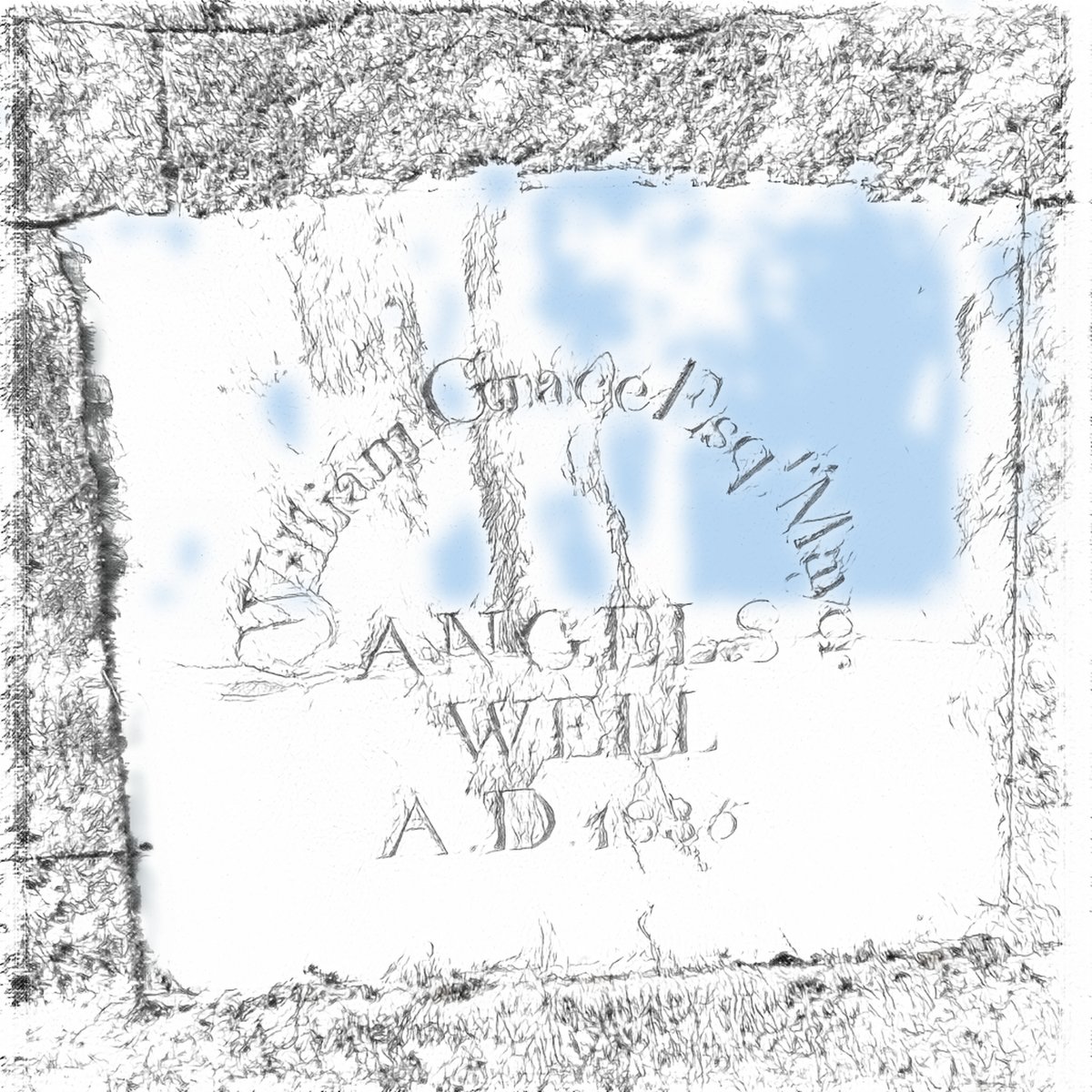
A descent into water. St Dominic’s Holy Well is a natural spring in the parish of St George, in Truro, Cornwall. The well now bearing the name sits in the front garden of Carvedras House on St George’s Road, and the architecture here is essentially an architecture of approach: a flight of stone steps drops from street level down to the site. The structure appears to have been built in the 17th century. There is little ornament to read in the record, but there is a clear spatial gesture, the deliberate lowering of the visitor from the public realm of the road into the quiet, enclosed register of the water below.
A Question of Place
What the record makes plain is that this is not the original St Dominic’s well. There has been a confusion between an older Carvedras House, on the ground now occupied by 78 to 95 Kenwyn Street, and the newer house on St George’s Hill. A lease of 1664 describes, near the old Carvedras House, “all that decayed old pair of walls” beside the orchard, with ground “leading from the pear tree to the way bounding with the gate of John Robarts leading to St. Dominick’s well.” That lane, beside 95 Kenwyn Street and now passing Kenwyn Mews, led to a point marked on old Ordnance Survey maps as “Friary Well site of.” This was the true St Dominic’s Well, the well of the White Friars, the Dominicans of the Friary Meads of Carvedras Manor.
The Lost Friary
The water belonged to a vanished house of religion. The Dominican Friary stood between Kenwyn Street and the river, founded by one of the Reskymer family and built in the 13th century, its church dedicated by Bishop Bronescombe on Michaelmas day, 1259. It was a missionary centre with a church and chapter house; the church is recorded as having had a lofty tower with pinnacles and three bells. At the Dissolution of the Monasteries in 1538 the friary held a prior and ten friars.
An archaeology of absence. A century and a half ago, parts of the church and the holy well were still distinctly visible in a meadow called the Friary; later, with the site cut through by Castle Street and Frances Street, a careful examination found no remains save a few worked stones built into walls. The spring endures where the masonry does not.
United Kingdom