Hundertwasserhaus
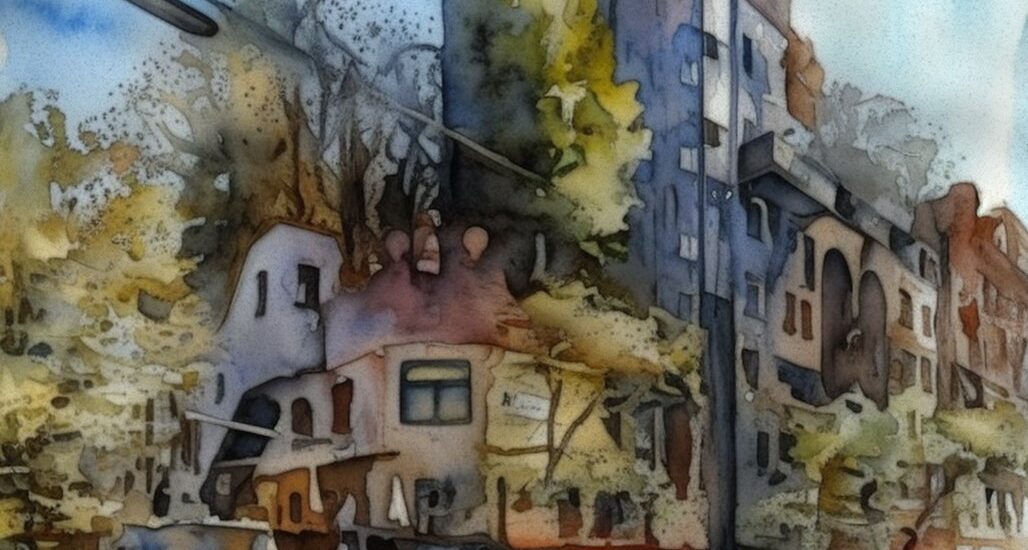
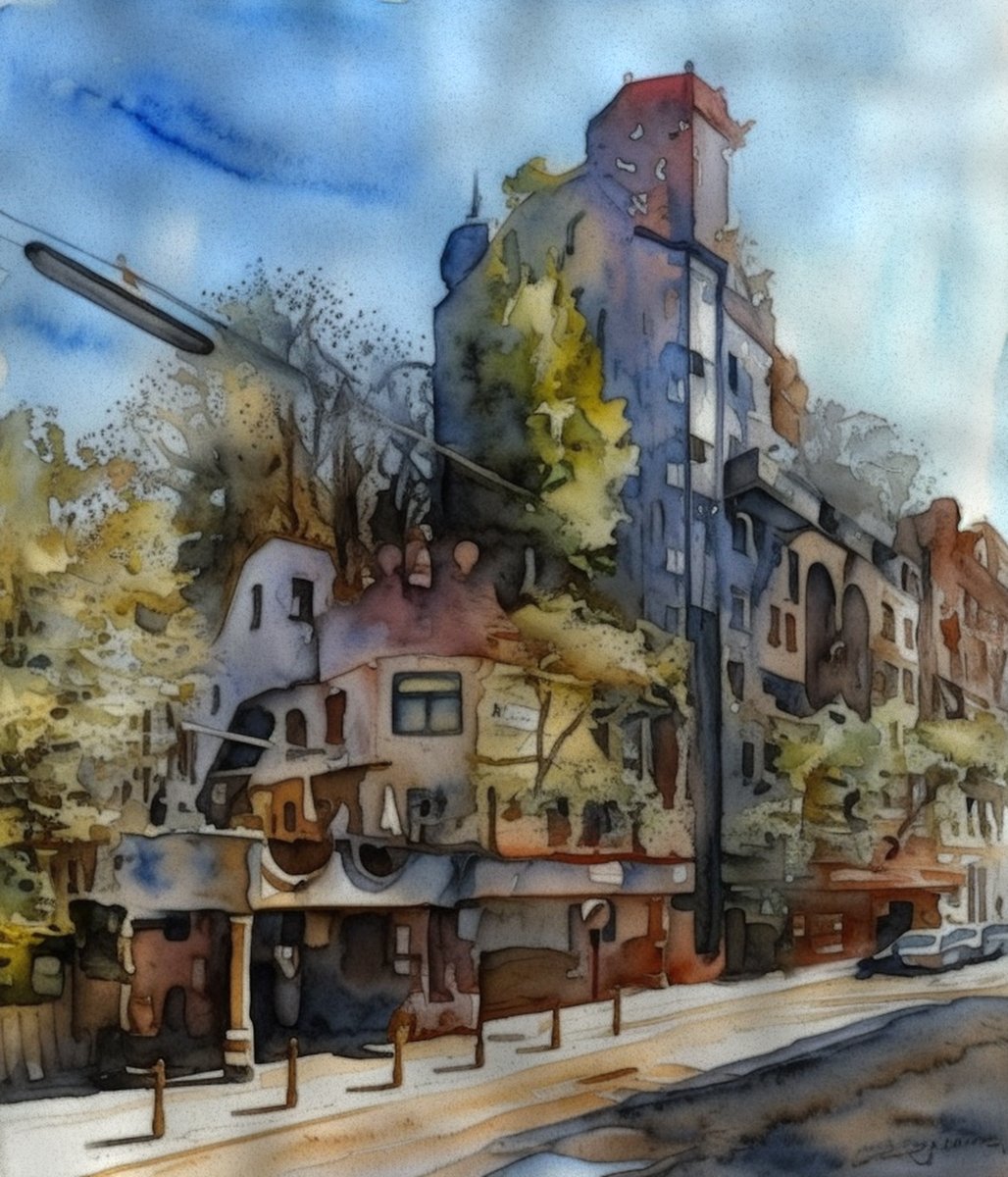
On the corner of Kegelgasse and Löwengasse in Vienna’s Landstraße district stands a building that refuses every straight line the modern city takes for granted. The Hundertwasserhaus, an apartment house completed in 1985, is among Vienna’s most visited buildings and has become part of Austria’s cultural heritage. It is an expressionist landmark, and it reads as one the moment you arrive.
A Painter Turned to Building
Friedensreich Hundertwasser began as a painter. From the early 1950s he turned increasingly toward architecture, writing and reading in public and advocating natural forms of decay. In 1972 he had his first architectural models made for the television show Wünsch dir was (“Make a wish”), demonstrating his ideas on forested roofs, “tree tenants” and the “window right” of every tenant to embellish the facade around their own windows. From this thinking came new shapes, including the “eye-slit” house and the “high-rise meadow house.”
The commission itself was political in origin. In 1977 federal chancellor Bruno Kreisky suggested to Vienna’s mayor Leopold Gratz that Hundertwasser be allowed to realize his ideas, and Gratz duly invited the artist to design an apartment building on his own terms.
Undulating Floors and Living Roofs
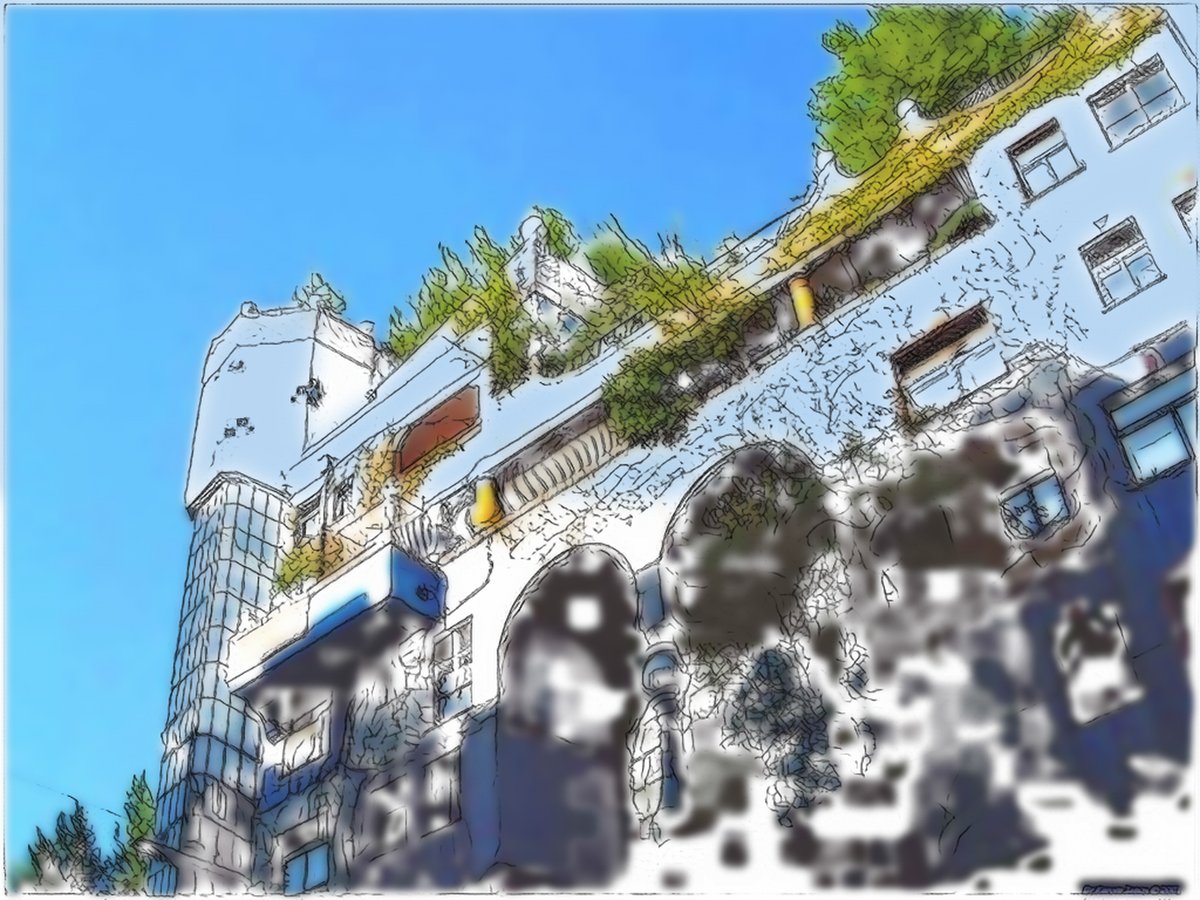
Built between 1983 and 1985, the house features undulating floors, a roof covered with earth and grass, and large trees growing from inside the rooms, with limbs reaching out through the windows. Within it are 53 apartments, four offices, 16 private terraces and three communal terraces, and a total of 250 trees and bushes. Hundertwasser took no payment for the design, declaring it was worth it to prevent something ugly from going up in its place.
Authorship and the Courts
Hundertwasser worked with architect Joseph Krawina as co-author and Peter Pelikan as planner, though the collaboration was fraught: when Krawina presented preliminary drawings and a Styrofoam model in 1979, Hundertwasser rejected them as the very straight-lined modular grid he fought against. In 2010, after eight years of litigation, Austria’s Supreme Court ruled Hundertwasser the sole spiritual creator while recognizing Krawina as a co-creator of equal standing.
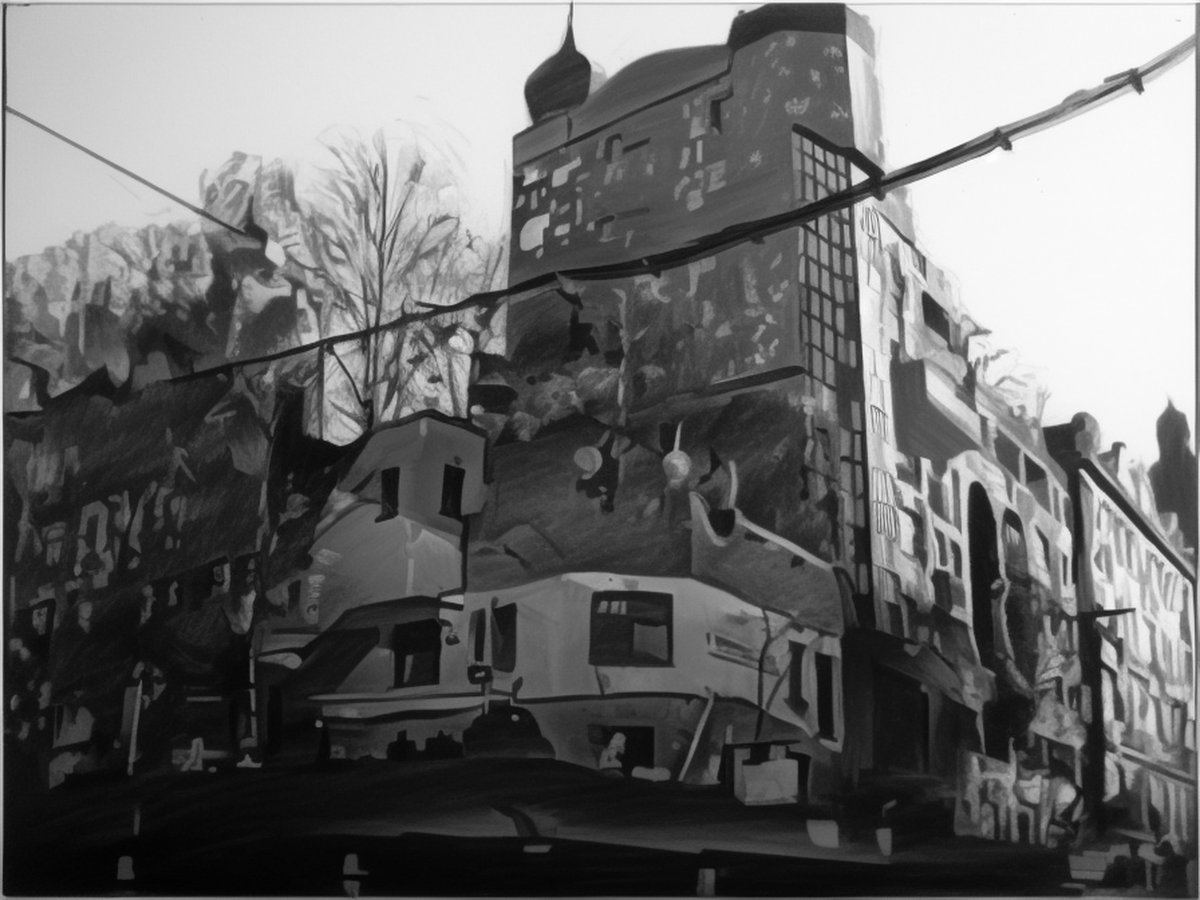
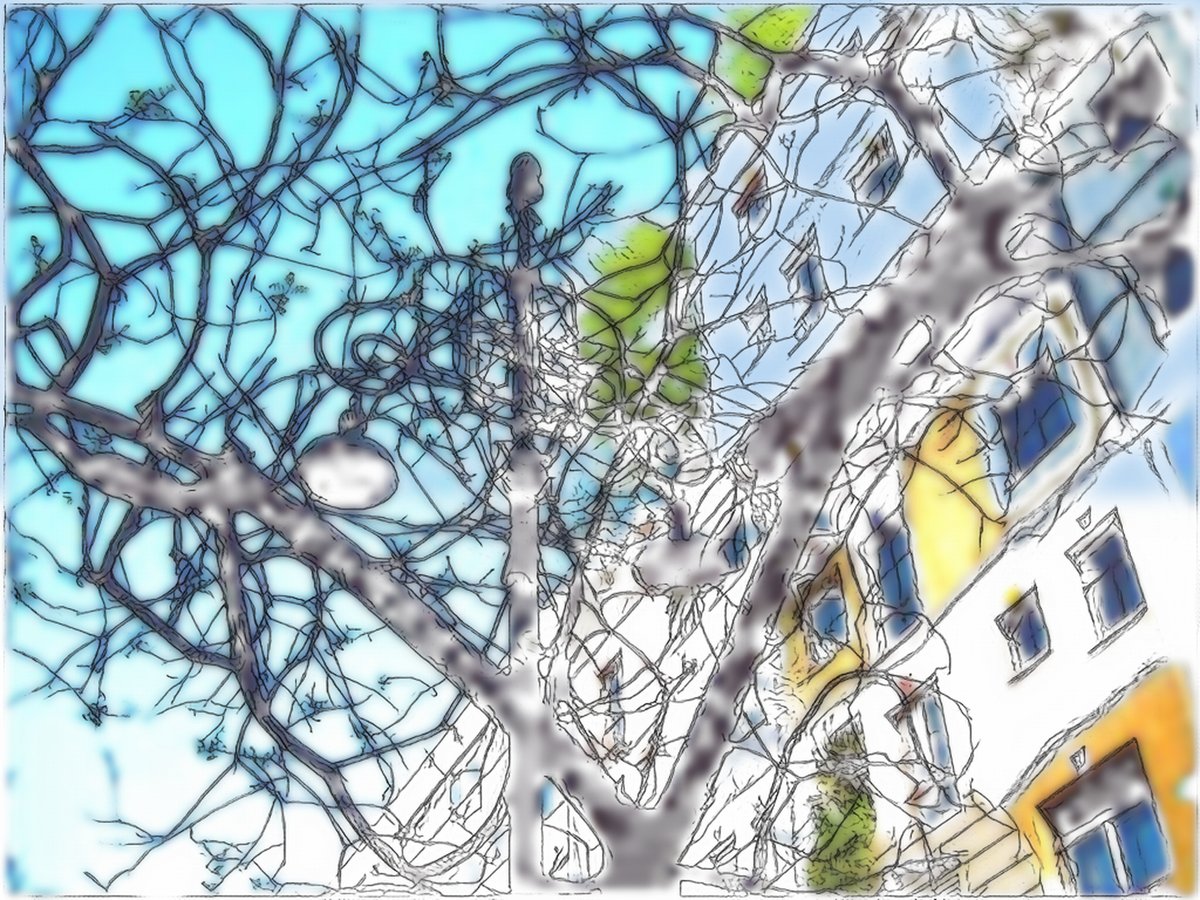
Vienna, Austria · Architect: Friedensreich Hundertwasser · Built: 1984