Chapel of the Holy Well
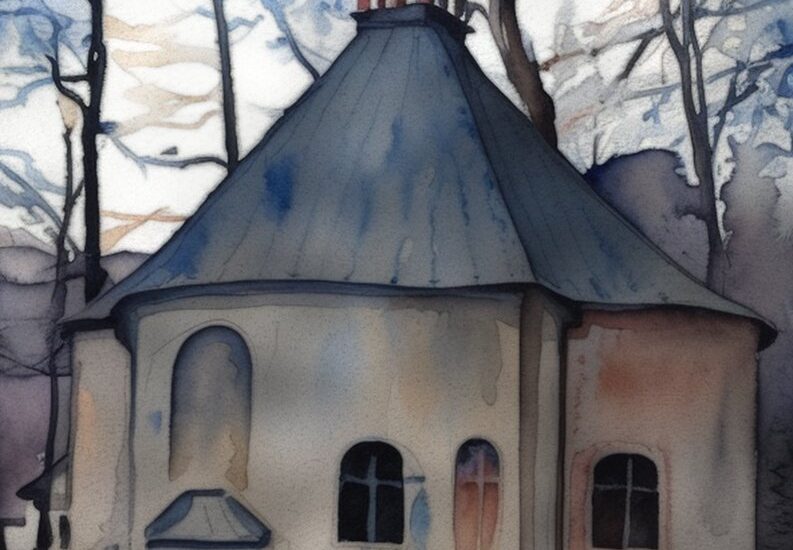
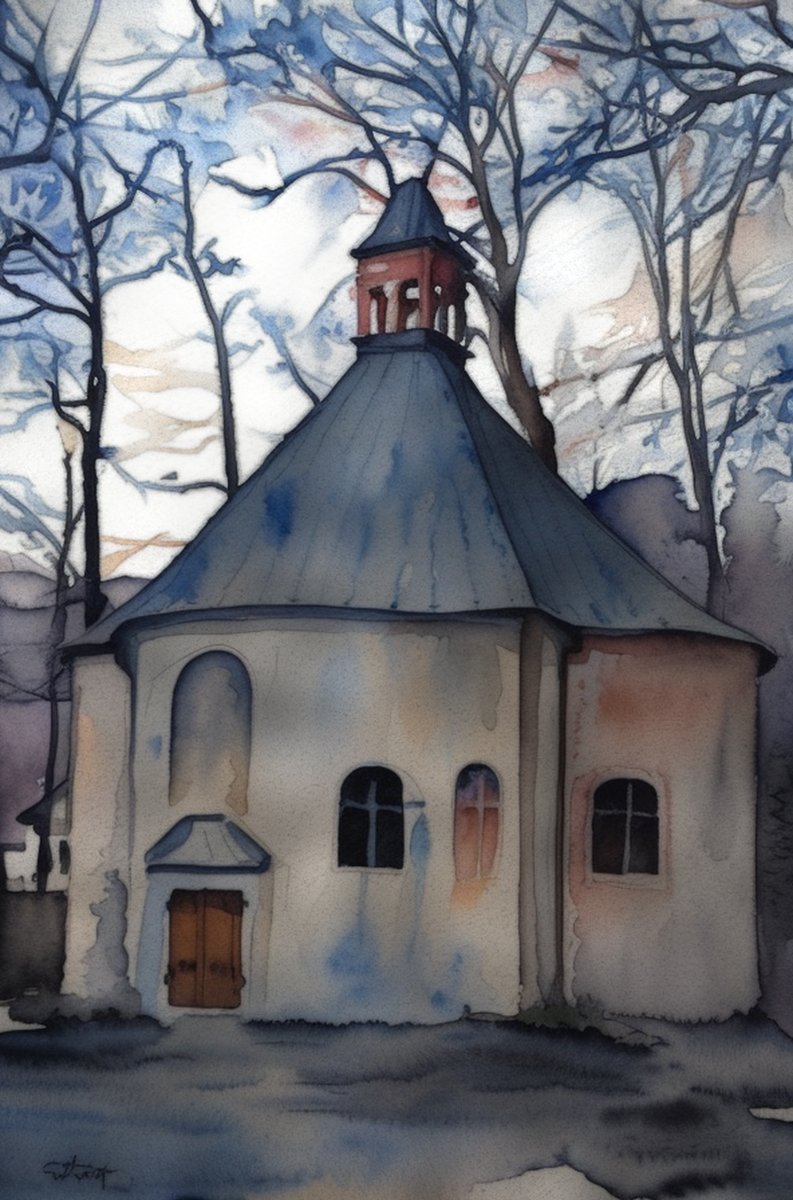
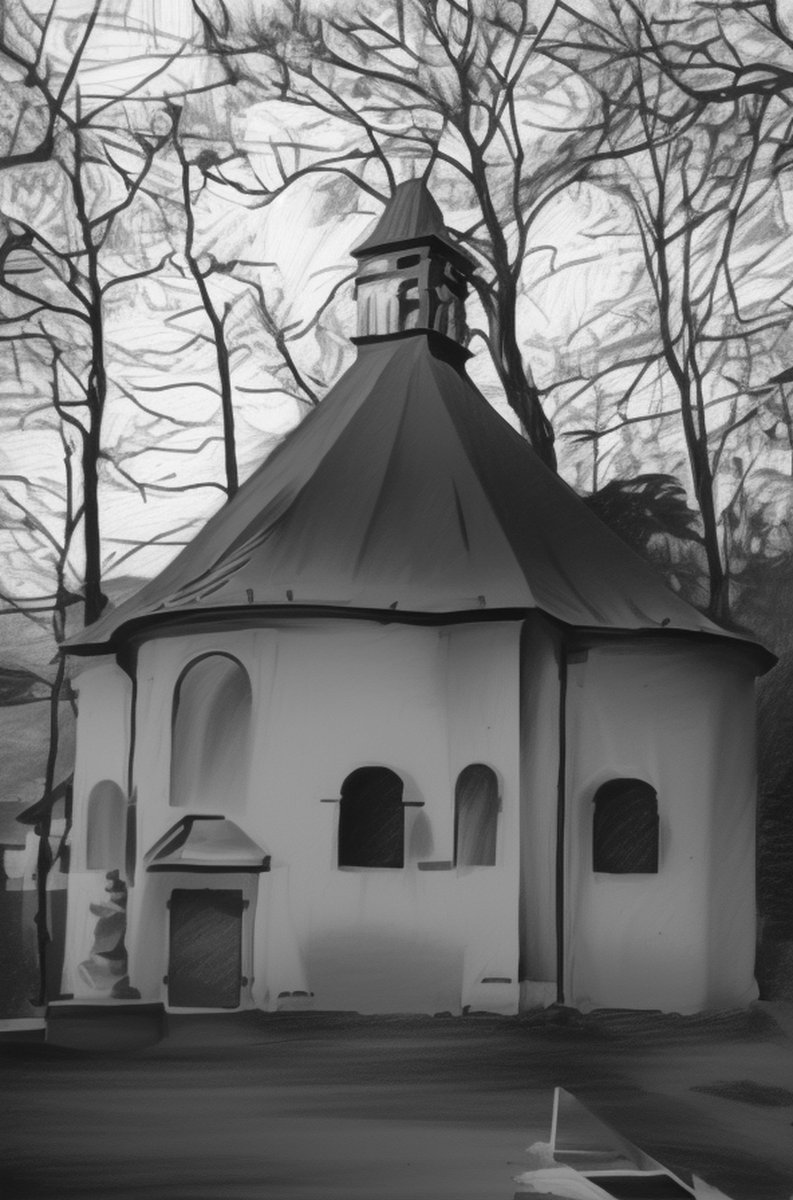
In Marianka, Slovakia, a small Baroque rotunda answers one of the oldest problems in sacred architecture: how do you build a permanent house over moving water without losing the water itself? The Chapel of the Holy Well solves it by placing its drum directly above the stream, then channelling that stream out to the front of the building where pilgrims can reach it.
A Building Founded on a Spring
The rotunda was commissioned in 1696, for the considerable sum of 1,000 golden coins, by earl Paul Eszterhazy together with the local baron Ján Macholány. Macholány did not simply pay for the chapel — he had himself written into it, appearing with his family on one of the ceiling frescoes. It is a telling architectural gesture: the patron embedded in the very surface he funded, watching over the space from above.
The plan is centralised. As a rotunda, the chapel organises itself around a single vertical axis, and that axis is not arbitrary. It descends to the spring below. The structure was raised directly over the stream so that the water passes beneath the floor and is then directed forward, emerging at the front where it becomes physically accessible. The building is, in effect, a reliquary for flowing water.
Furnishing and Threshold
In 1722 a renovated Baroque altar replaced the original, keeping the interior current with the period’s taste. Later, in 1877, statues of St. Anthony and St. Paul the Hermits were erected before the chapel, marking the approach. These came from the workshop of Rafael Donner; the originals now hang in the Slovak National Gallery’s Baroque art exhibition, while replicas cast in Brno in 1981 stand in their place at the threshold today.
The Healing Stream
The water itself carries the chapel’s meaning. The stream beneath was reported to heal physically handicapped pilgrims who came to the site, and the record was kept: the local cloister’s book of Kummer logs 140 recoveries between 1634 and 1730. The architecture exists to make that water reachable — and to give the act of reaching it a sacred frame.
Slovakia