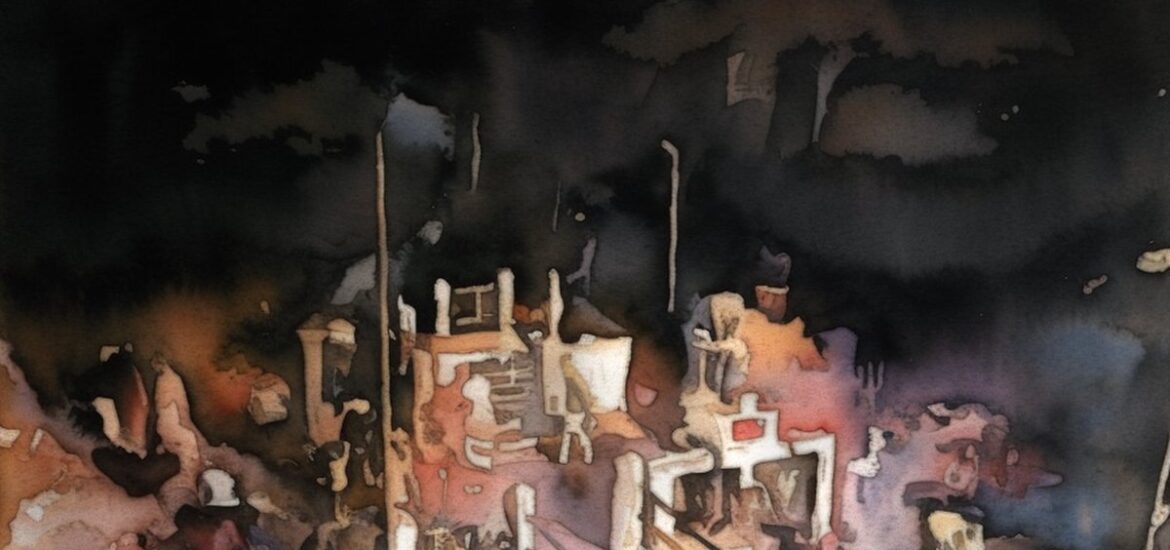
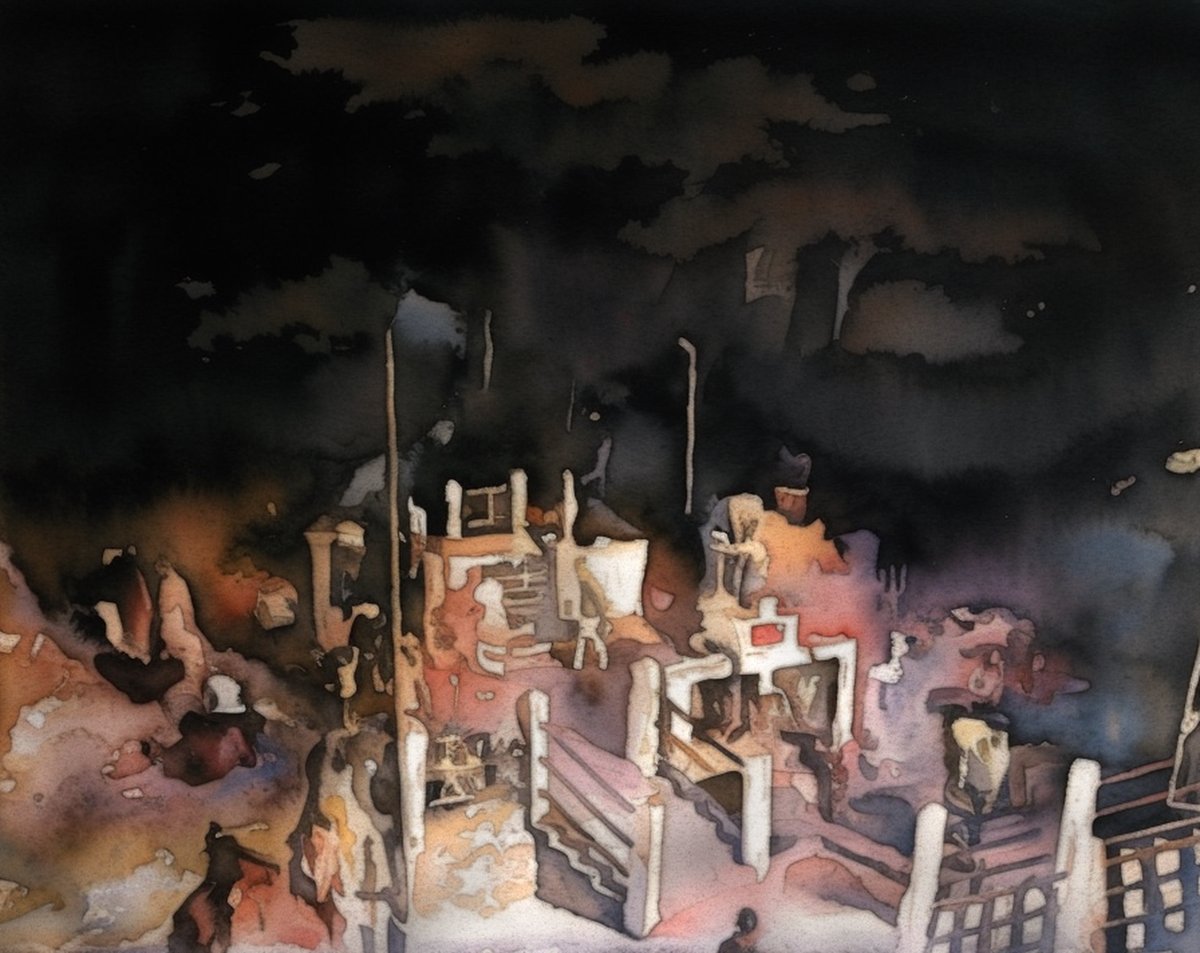
In the north where I was trained, we make interiors by subtraction — we hollow, we shade, we lead a body down toward stillness. So I read the Halesi-Maratika Caves with recognition. They lie next to the village of Mahadevasthan in the Khotang District of eastern Nepal, between 3,100 and 4,734 feet above the sea, some 185 km south-west of Mount Everest. Here the interior was not built. It was found, in living rock.
The descent
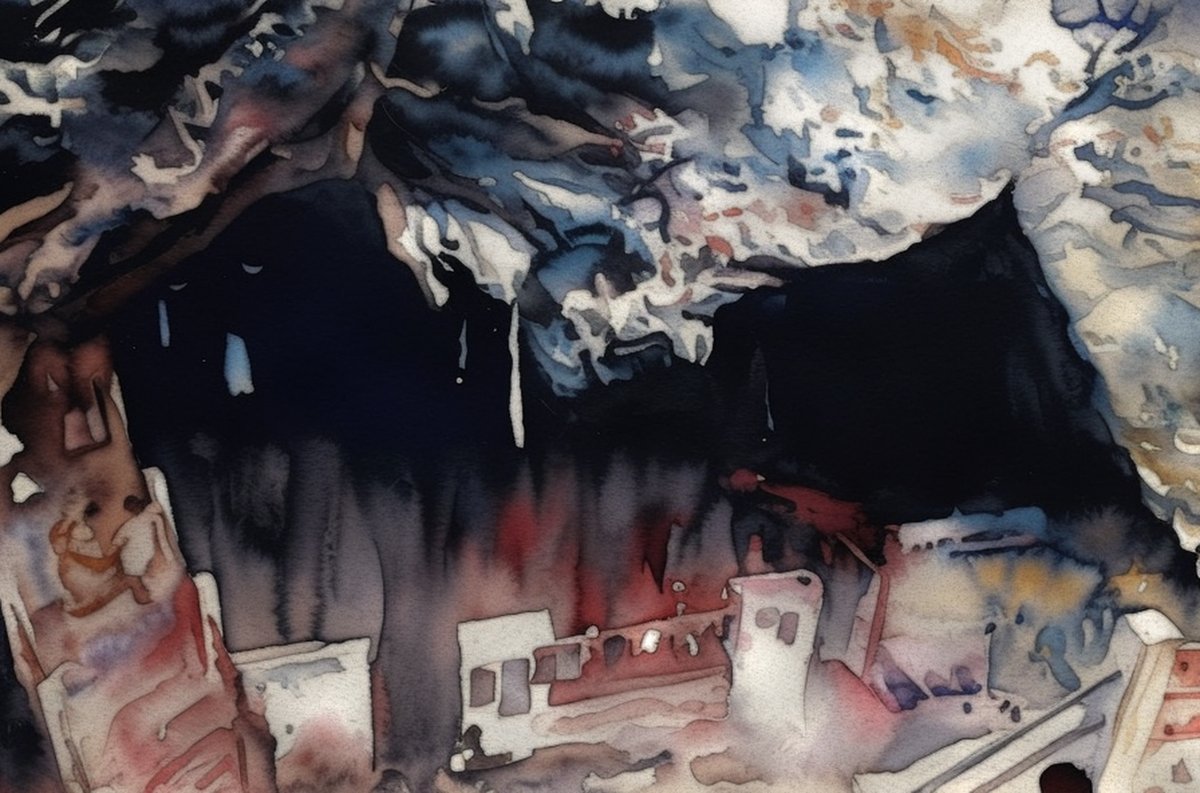
Sixty-seven feet below the surface there is a room. Its entrance is shaped as a half moon, opening toward the east, toward first light. The chamber is round — 193 feet across, its floor 223 feet in circumference — and beneath it lies another, separate cave. A vessel under a vessel. The place sits between two holy rivers, the Dudh Koshi and the Sun Kosi, and is usually cold and rainy. An architect could ask for no clearer brief: thick darkness, a single eastern threshold, the patient honesty of stone.
A space claimed three times
What strikes me is the abundance. My tradition reveres an empty room; here the same cavity is filled with belief, and three times over. To Hindus it is the Halesi Mahadev Temple, where Mahadeva — a form of Shiva — is said to have hidden from the demon Bhasmasur, by one telling for 6,000 years. They call it the Pashupatinath of the east. To Buddhists it is Maratika, the cave of the legend of Padmasambhava, who with Mandarava is said to have attained the Vidyadhara of longevity here — long-life teachings of Buddha Amitabha, elementally encoded in the rock by the dakini Sangwa Yeshe. And the Kirati Rai worship Halesi as an ancestral deity, holding from their oral mundhum that their forebear Raechhakule once dwelt inside the cave. One interior, three inheritances.
The gathered year
The silence I would seek, this place answers with assembly. Well-attended fairs gather on Shivaratri and Bala Chaturdashi; pilgrims come from Ladania and Jayanagar in the month of Shrawan, and festivities mark Bhasmasur, Rama Navami and Ganesh Chaturthi. The caves are named in Himalayan literature as far back as the 12th century. A room older than its tellings, still receiving them. Between my emptiness and its fullness lies the same held dark — waiting, and venerated.
Nepal