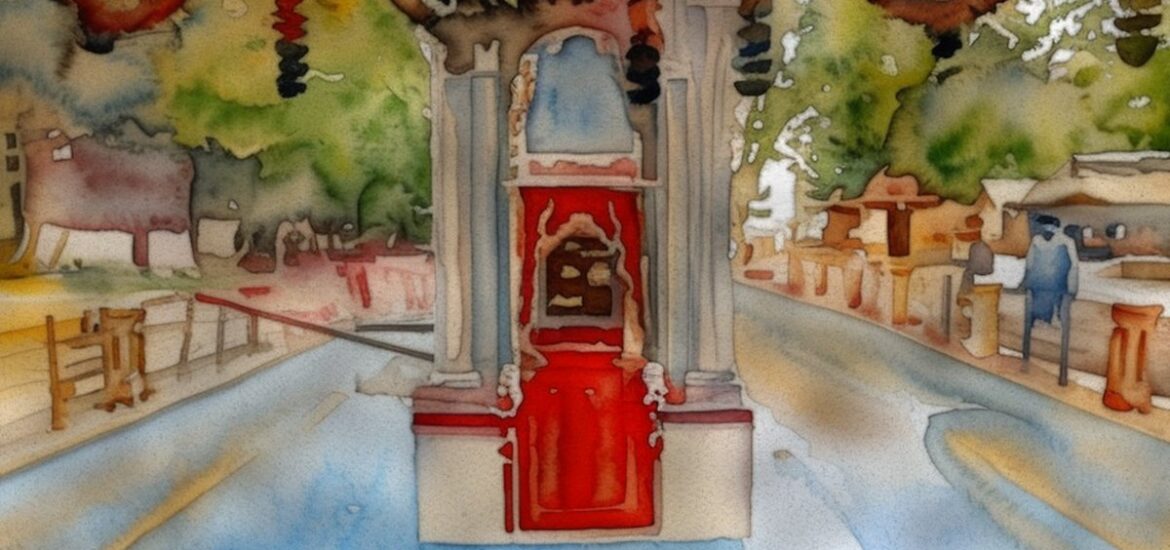
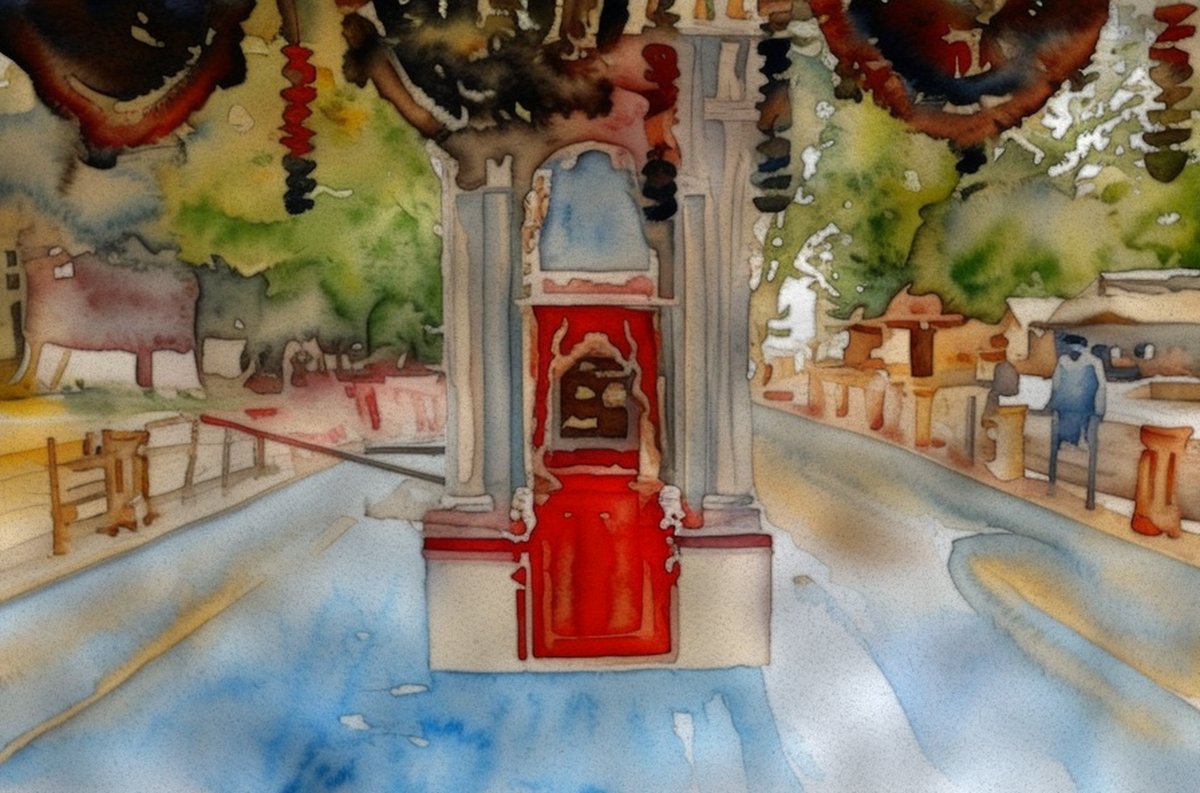
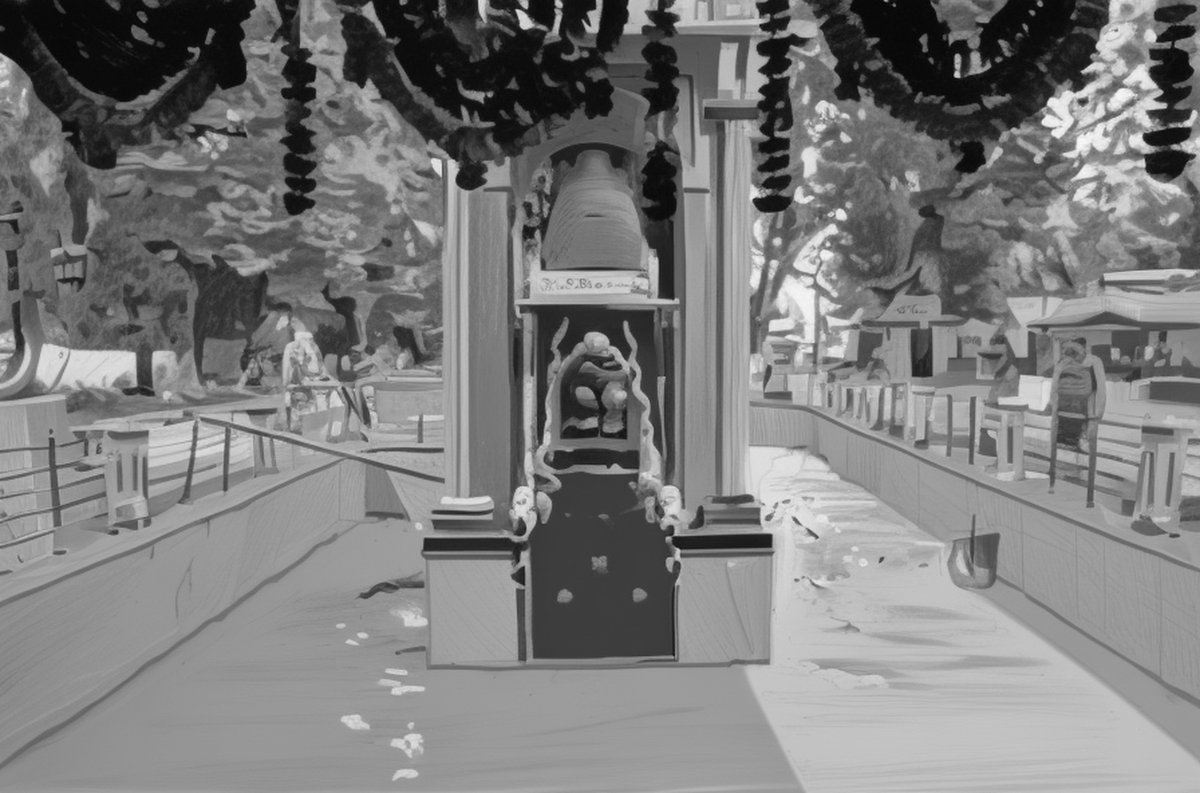
A room built around water. In the north of Europe we learn to lead a building down toward water slowly — a descent, a darkening, a threshold crossed before the surface appears. At Kheer Bhawani, near the village of Tulmulla in Ganderbal, twenty-five kilometres north-east of Srinagar, the order is reversed. The water came first. The temple was constructed over a sacred spring, and the architecture is only the frame the spring permitted around itself.
The shape of the source
The spring is heptagonal — seven-sided, an honest geometry I would not have dared to invent. Around it the goddess is set, and around her the pond and temple that took their present form under Maharaja Pratap Singh in the 1910s, later renovated by Maharaja Hari Singh. An earlier Maharaja, Ranbir Singh, raised the first dharmashala here. These are the few hard facts the stones offer; the rest belongs to the water.
Water that keeps changing its mind. The holy spring is known to change colour — red, pink, orange, green, blue, white. Most of these hues, the source is careful to say, carry no particular meaning. But a black shade is held to be inauspicious, and it was reported black during the Kashmiri Pandit exodus, and again in the month before the COVID-19 pandemic. In 1886 the British settlement commissioner Walter Lawrence recorded the water as carrying a violet tinge. A Nordic sensibility is trained on the constancy of grey light on still water; here the believers read the water as a face that registers what is coming.
Milk, not coins
I came to this archive expecting coins. There are none here. The offering is kheer — a pudding of milk and rice given to propitiate the goddess Kheer Bhawani, also called Ragnya or Rajna, Devi, Mata, Bhagavati. The name is sometimes rendered “Milk Goddess.” For the Hindu Kashmiris she is the protective patron, the Kuladevi. The votive act is nourishment poured toward the sacred water, not metal dropped into it — a distinction worth keeping precisely.
Inheritance and dream. The spring is named in Kalhana’s Rajtarangini and in the Bhrigu Samhita; Abu’l-Fazl noted in the Ain-i-Akbari how the marshy ground at Tula Mula would sink under summer water. After floods buried the spring, the Goddess is said to have appeared in the dream of the Yogi Krishna Pandit Taploo, directing him back to it. Once a year the mela gathers here at Jyeshtha Ashtami, among old chinar trees under which pilgrims rest on mats of grass — one of the largest Hindu gatherings of the region, second only to Amarnath. Where I would have built silence, they keep returning to abundance, and to a water that answers.
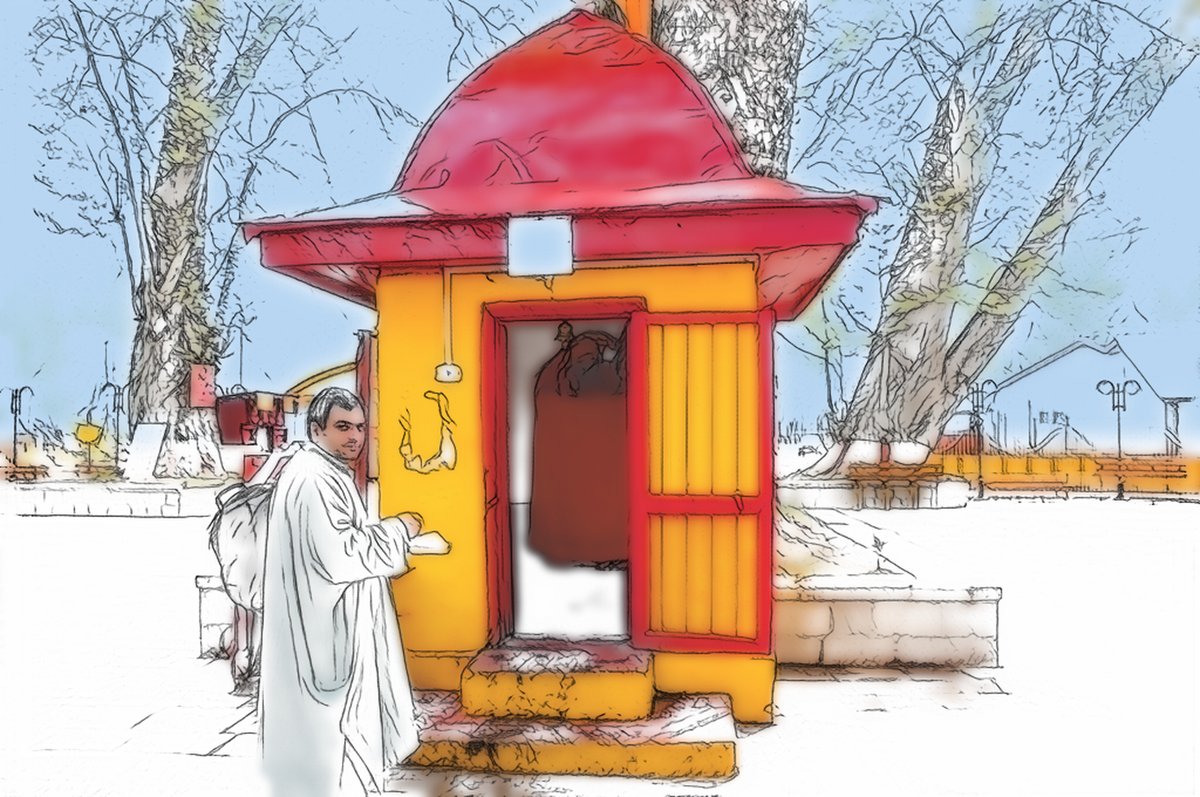
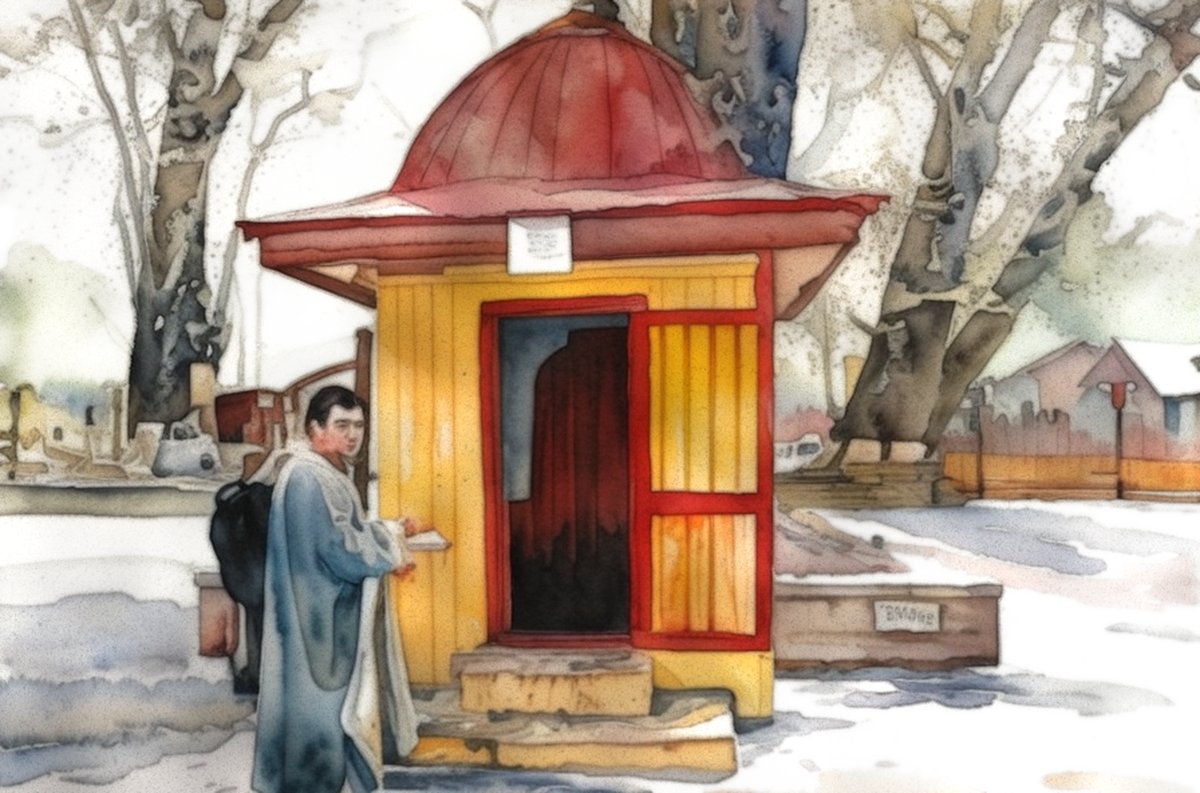
Ganderbal district, India