A bay made by hand
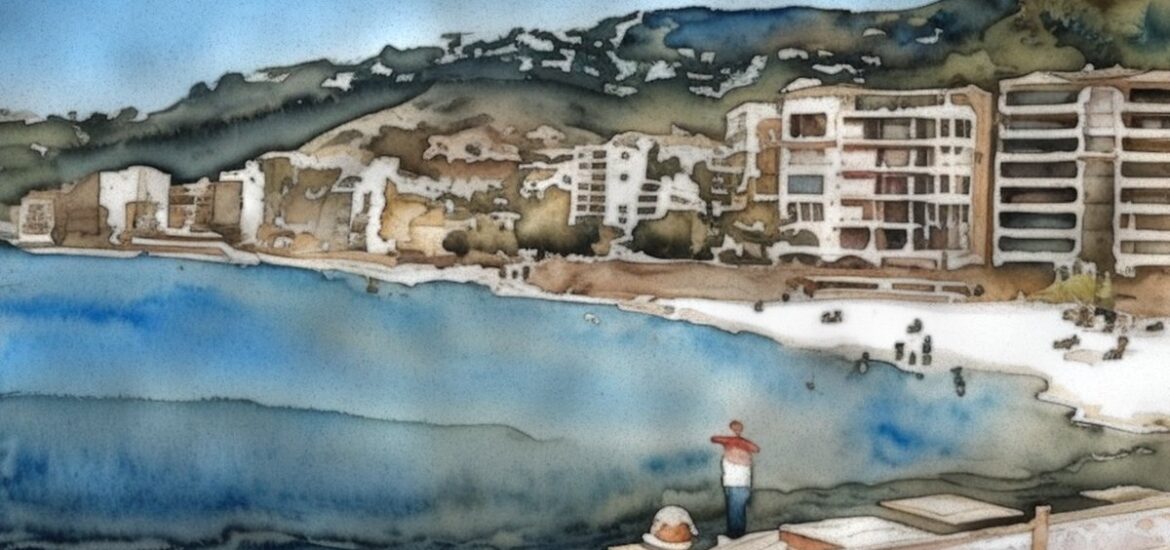
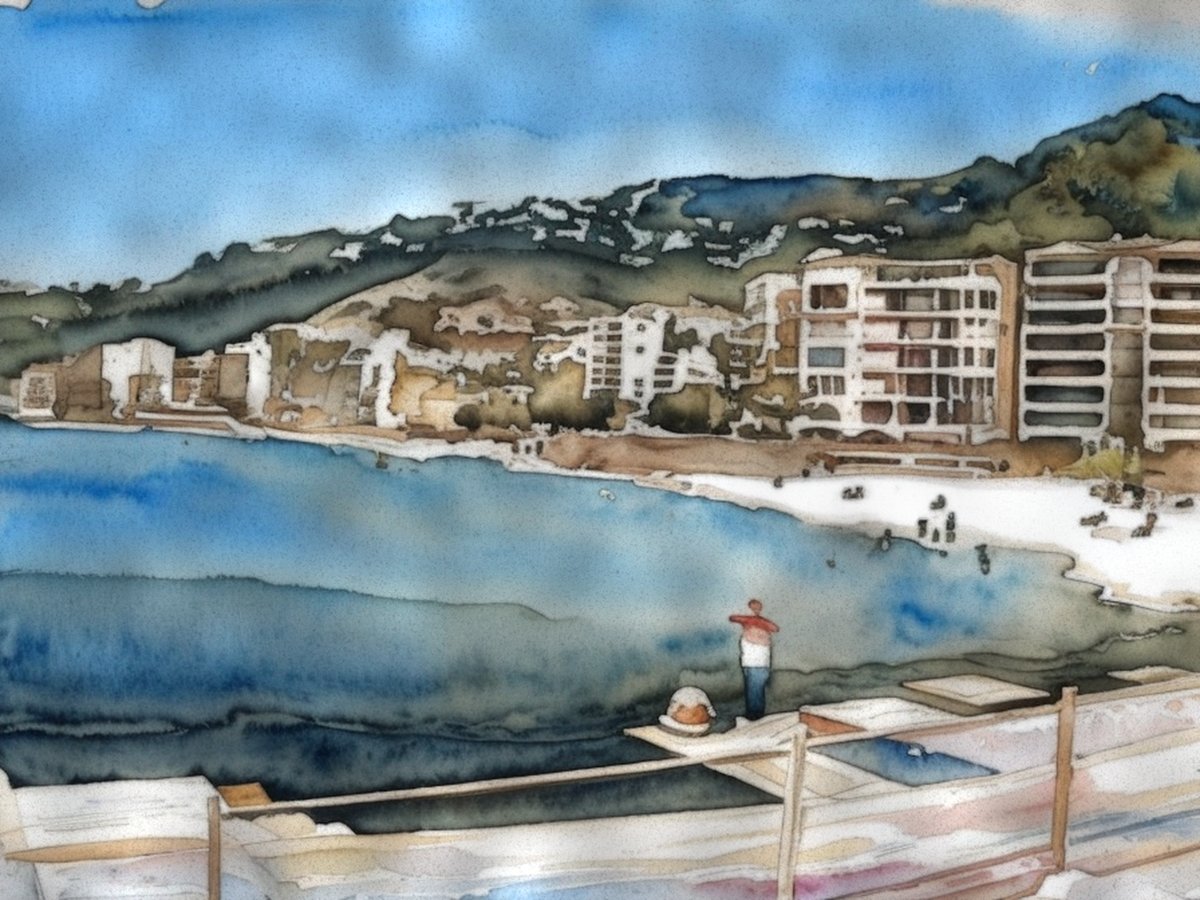
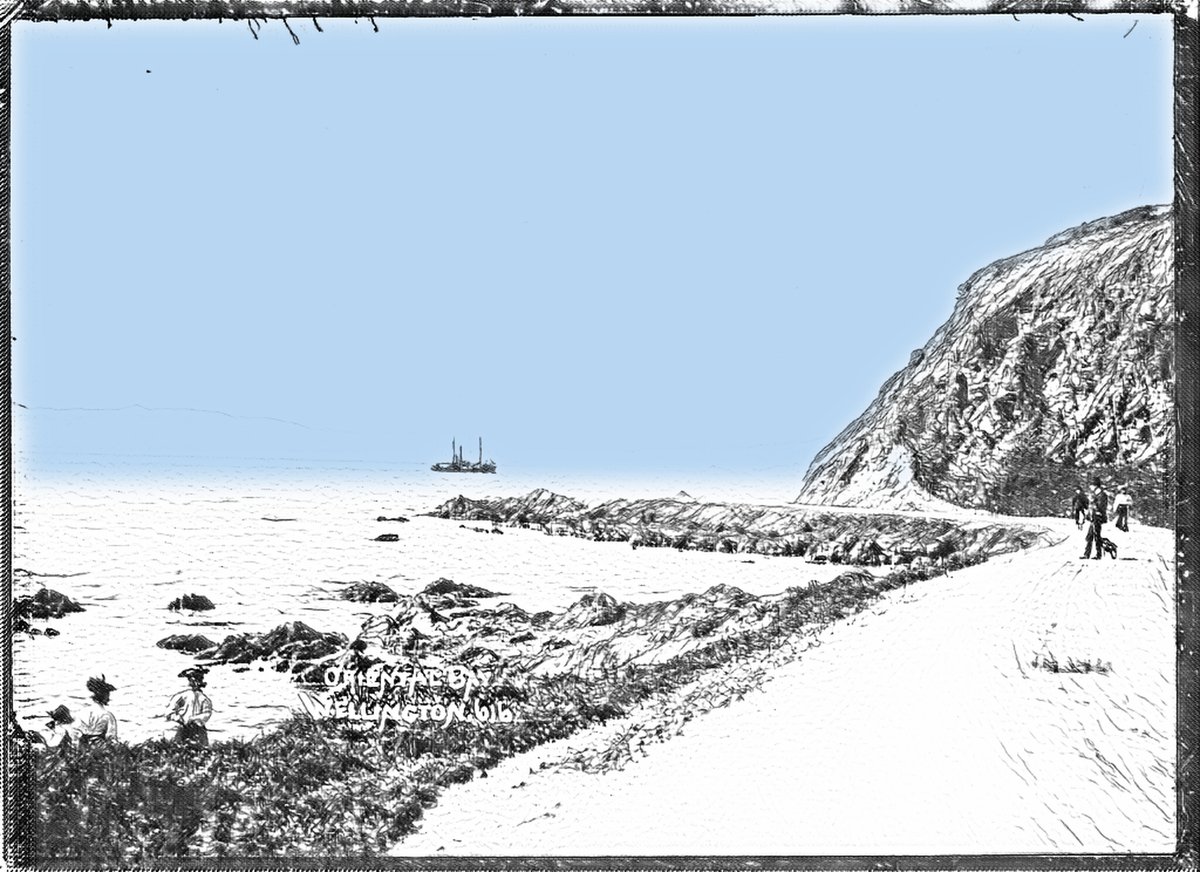
Oriental Bay is a bay and suburb of Wellington, set against the northern slope of Mount Victoria on Wellington Harbour, 1.5 kilometres southeast of the city centre. What reads today as an effortless beach is almost entirely constructed. The rocky shore was first described as a “dreary-looking spot” of rocks between cliffs and sea, used for quarantine and whaling. From 1911 the City Council built a sea wall from the Te Aro Baths to Point Jerningham, completed as far as the tea kiosk by 1924; the gaps behind it were filled and a promenade laid. That wall, now heritage-listed, narrowed the beach, so sand was imported — almost 20,000 tons as wartime ballast in 1944–45, then 22,000 tonnes from Golden Bay in the 2004 redevelopment that won a New Zealand Institute of Landscape Architects supreme award.
The promenade and its set pieces
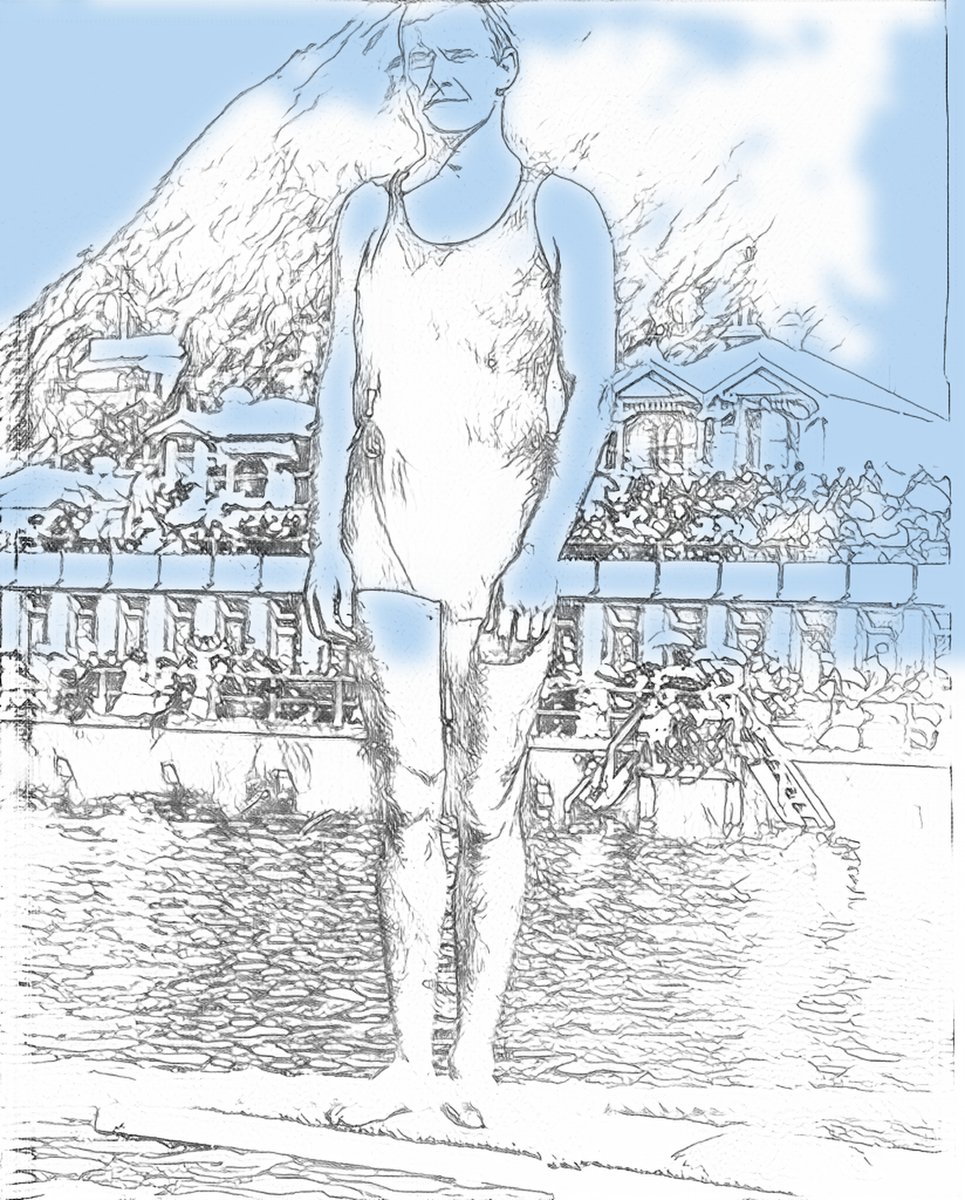
The waterfront edge is a worked composition. Norfolk pines, first planted in 1921 and now up to 15 metres tall, line most of Oriental Parade as a heritage-listed colonnade of trees, lit at night. Midway sits the Band Rotunda, built in 1936 over earlier changing rooms as a one-storey pavilion with an open viewing platform, gaining a second storey in 1985. Above the bay, St Gerard’s brick church (1908) and monastery (1932) anchor the skyline from Fitzgerald Point, while the modernist Freyberg Pool (1963) reaches out into the water itself.
Fountain and wishing well
The bay’s signal gesture is vertical. The Carter Fountain, donated in 1973 by businessman Hugh Carter in memory of his parents, throws water 16 metres into the air and is illuminated at night — the rotunda discreetly housing its land-based electrical plant. Quieter, and the truer “wishing” object, is a tiled wishing well opposite the beach, built by Wellington Jaycees in 1960. Designed by resident Belinda Reburn, its tiles depict fish, crabs, starfish, sea snails, shells and seagulls by Neville Porteous, some painted by Helene Carroll. A plaque carries Shakespeare: “Thy own wish—wish I thee / In every place.” Refurbished in 1996, it remains a small, deliberate piece of civic poetry on a thoroughly engineered shore.
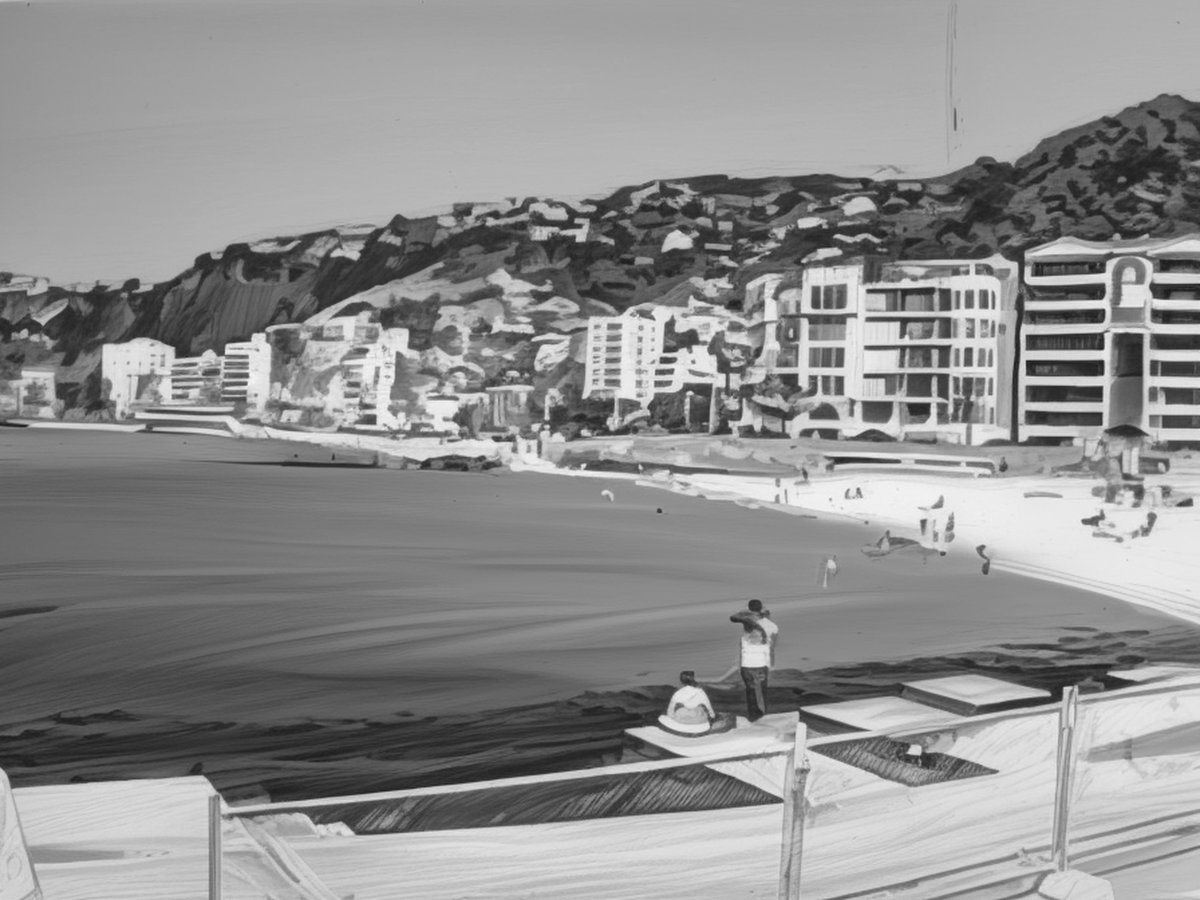
Wellington City, New Zealand