A miniature in stone
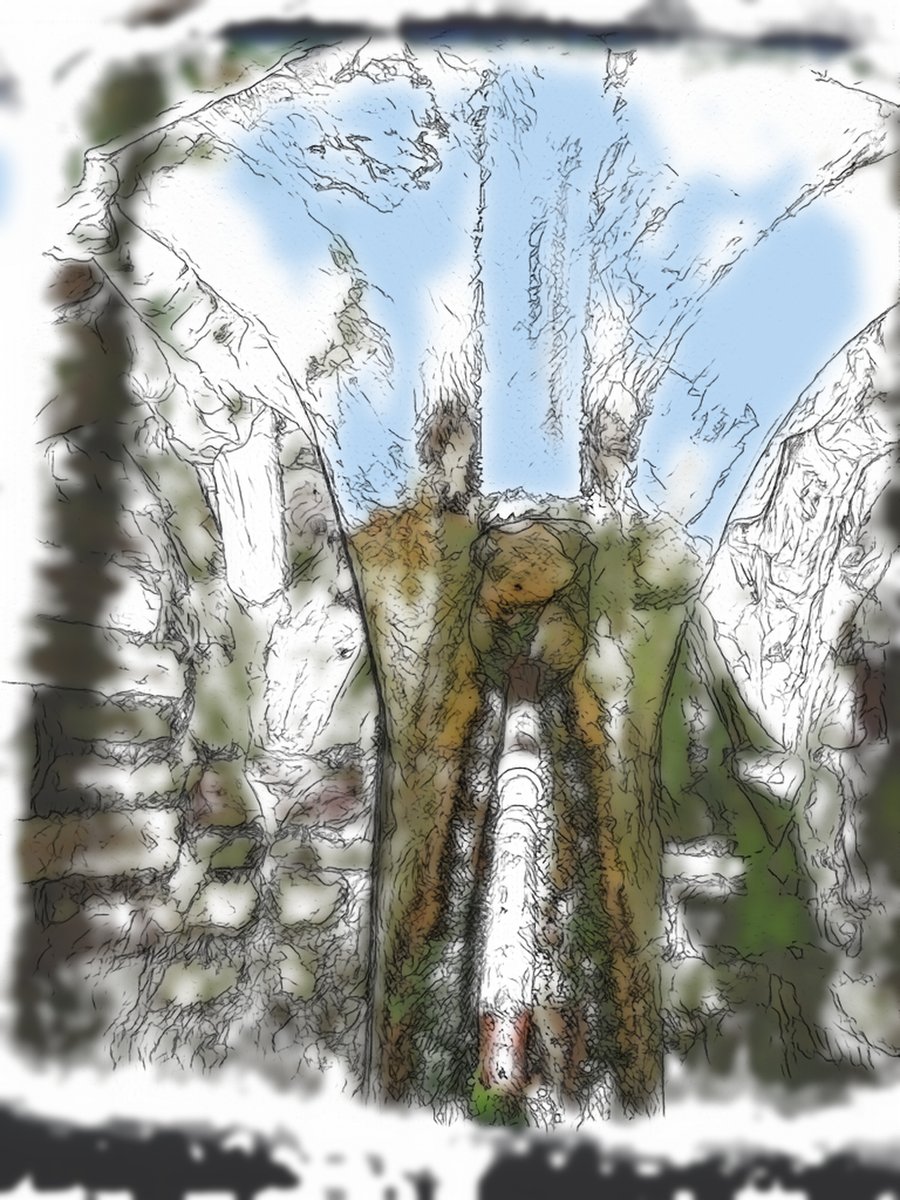
St Margaret’s Well is a small Gothic wellhouse of the 15th century, hexagonal in overall plan and built directly into the hillside. Its design is no improvisation: it is a miniature copy of St Triduana’s Aisle at Restalrig, where the wellhouse first stood. That lineage explains the building’s tight, devotional geometry, the sense that you are reading a great church reduced to the scale of a single covered spring.
Vaulting and interior. Within, the chamber is organised around a central pillar carrying carved bosses, from which rib-vaulting springs to enclose a pool below. Water issues from a carved grotesque mask, once fitted with a pipe that carried the flow forward to the entrance so that jugs could be filled with ease. It is a compact piece of structural theatre: a single column doing the work of a nave, the ribs gathering the small hexagonal volume into one coherent canopy over the water.
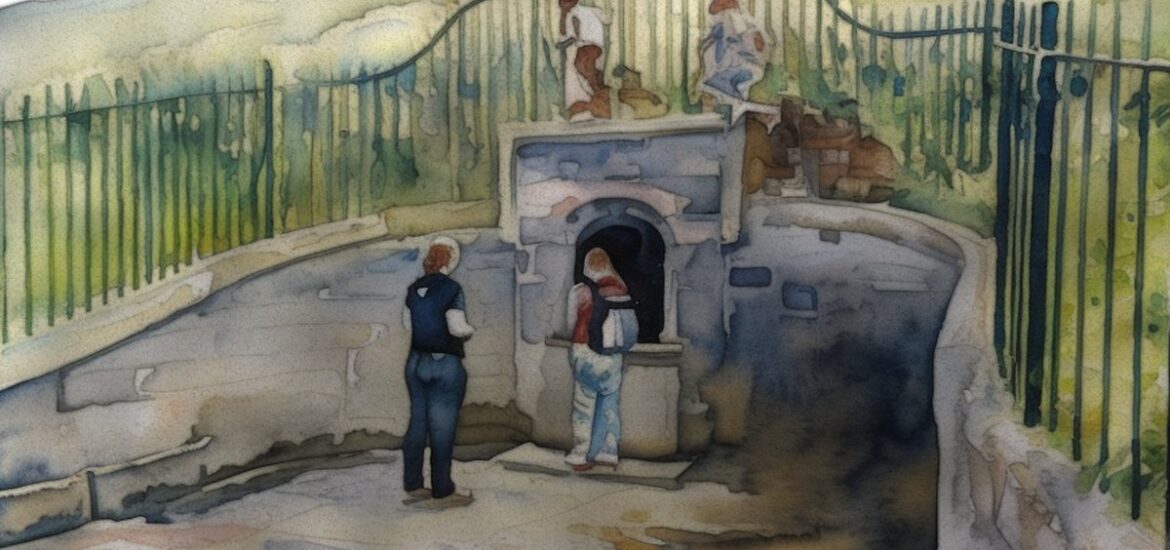
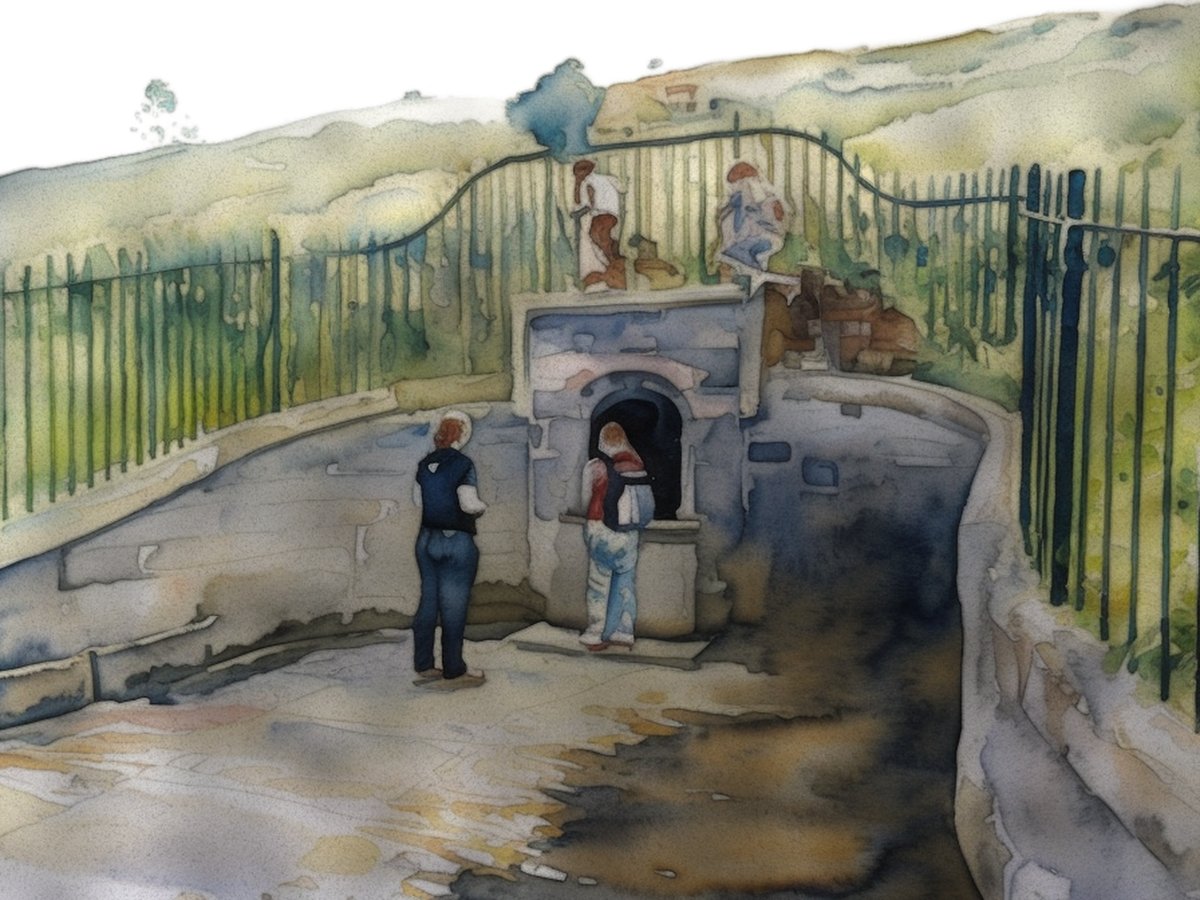
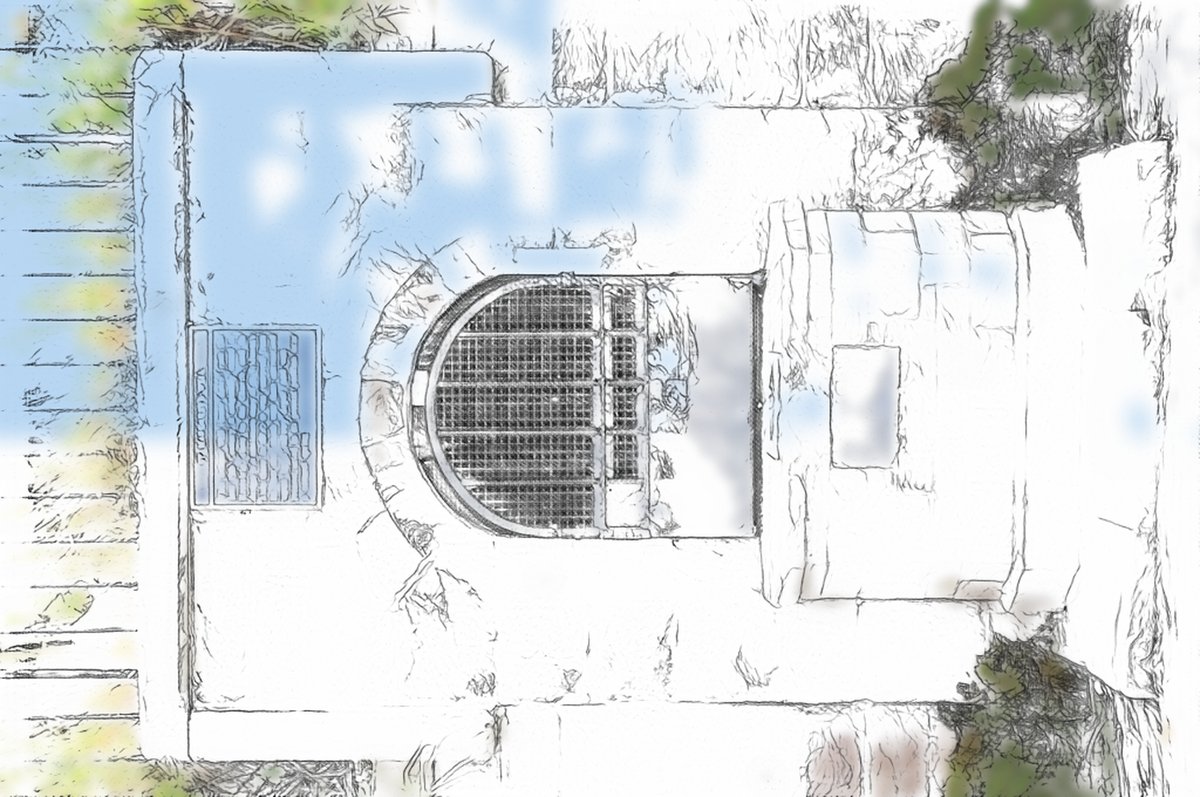
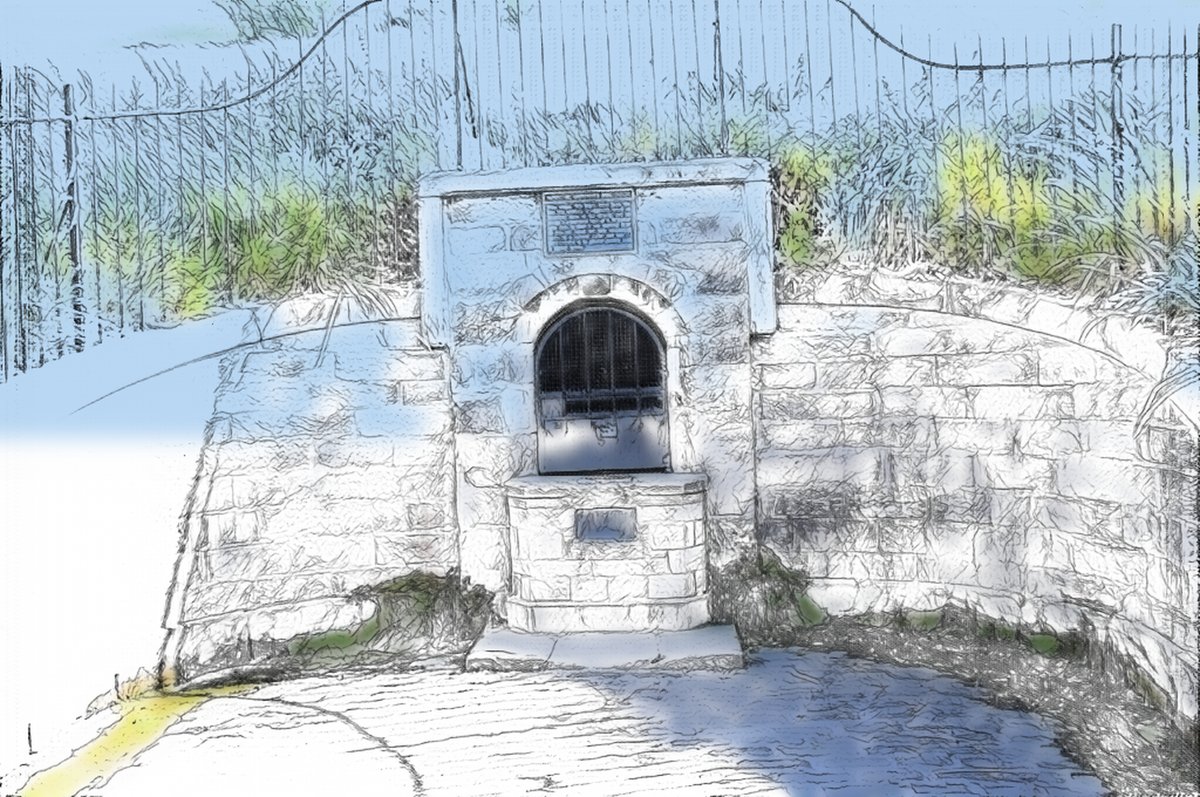
Materials and threshold. The exterior reads as semicircular stone walling set into the slope, with a round-arched opening closed by metal grating. A circular drinking bowl of a harder stone is set externally, and metal railings run along the top of the walls. When the building first arrived at Holyrood it had no semicircular walling at all and stood fully open to the water; the present enclosure is a later condition.
Relocation history
The wellhouse did not begin here. It originally stood at Restalrig, beside the church, over an ancient medicinal well that drew pilgrims for its curative waters. When the North British Railway’s St Margaret’s works threatened the site in 1859/60, the Society of Antiquaries of Scotland had the dressed stonework carefully dismantled and moved, stone by stone, to its present position off Queen’s Drive, where it was reconstructed over a natural spring near St David’s Well.
Water, legend and ritual
The spring is held to rise from the Well of the Holy Rood, or David’s Well, named for King David I. Legend tells that, hunting after mass on 14 September 1128, the king was thrown and gored by a hart, grasped its antlers, and saw a cross appear between them before the beast vanished toward the spring. In gratitude he founded the church that became Holyrood Abbey. Today, below the Salisbury Crags of Arthur’s Seat, the restored well serves as a wishing well, its holy pool scattered with coins behind the protective grill.
City of Edinburgh, United Kingdom