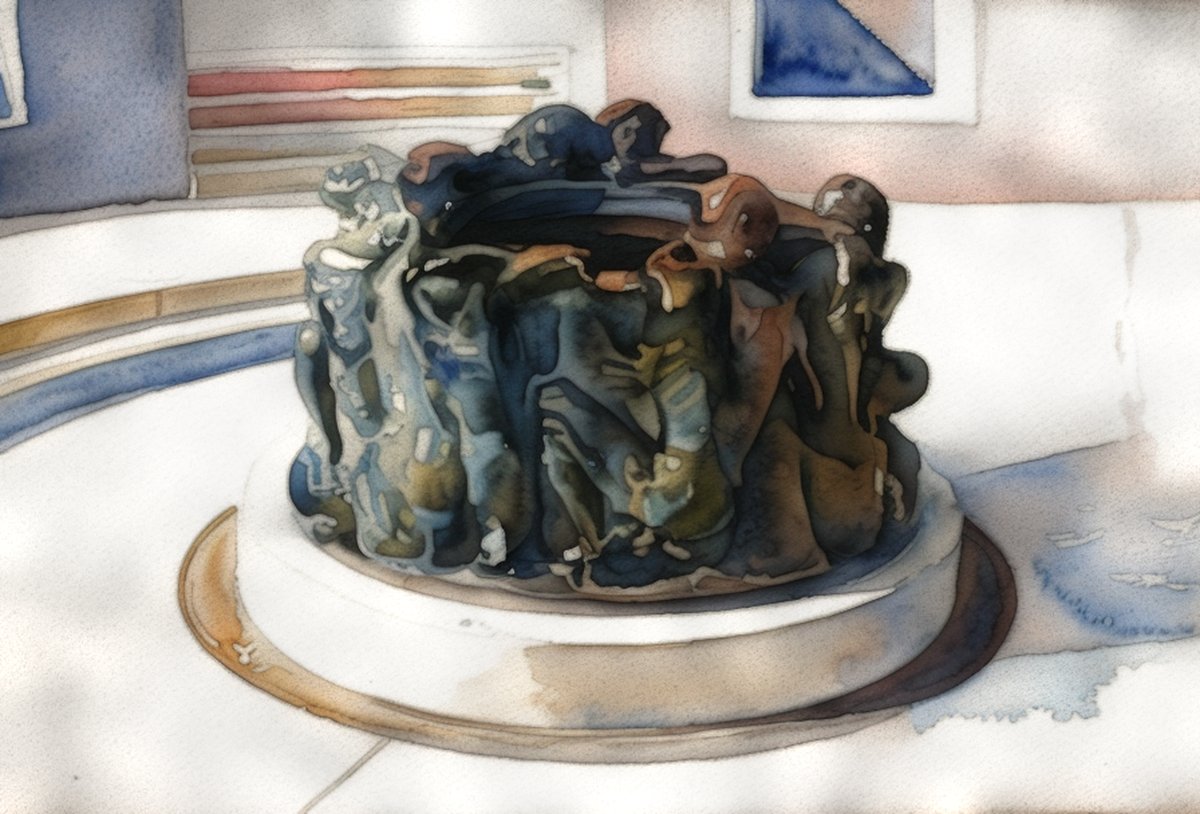
Well of Life
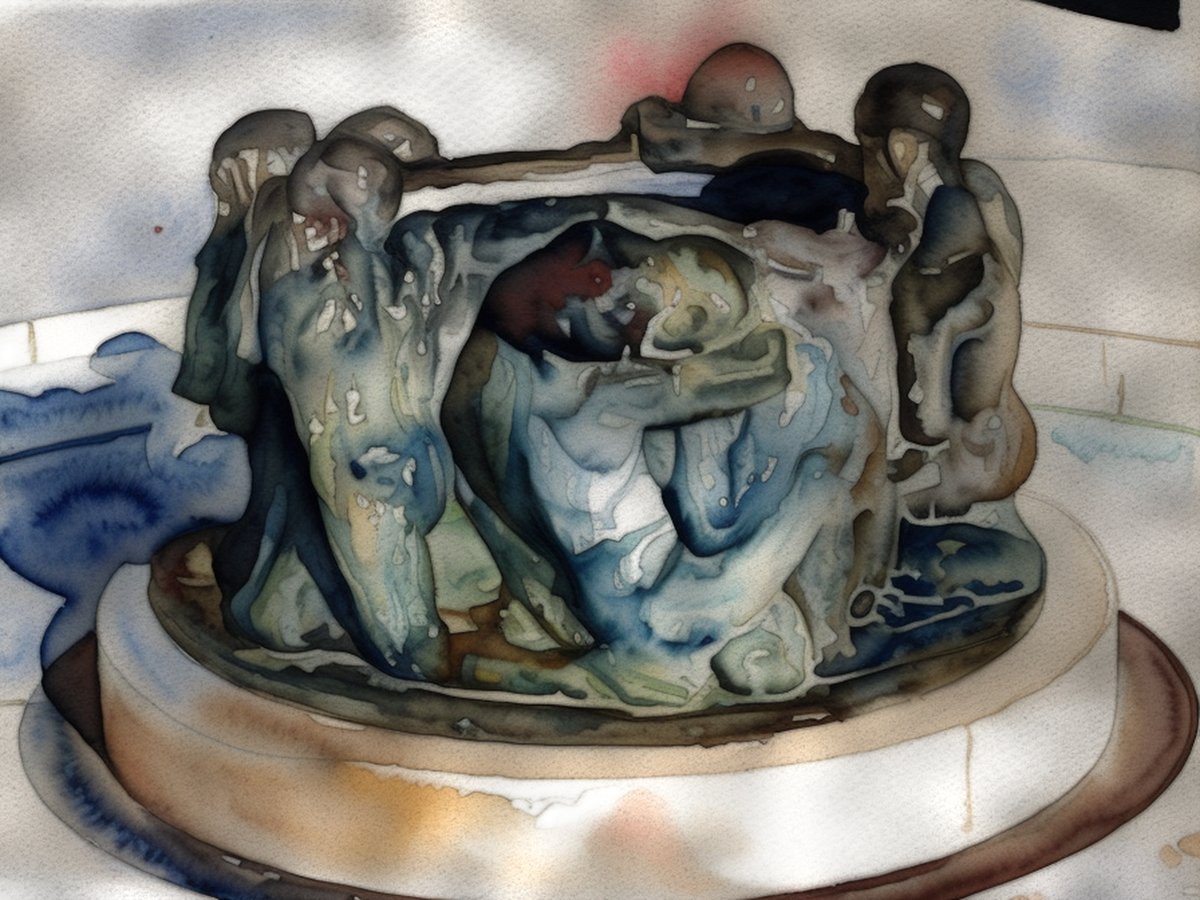
A well ringed by bodies. The Well of Life — Zdenac života in Croatian, also known as At the Well of Life or the Fountain of Life — is a sculpture by the Croatian sculptor and architect Ivan Meštrović. It stands in front of the Croatian National Theatre on Republic of Croatia Square in Zagreb, depicting people in various phases of life who crouch and twist their bodies around a well that symbolizes life, youth, and the source of eternal beauty.
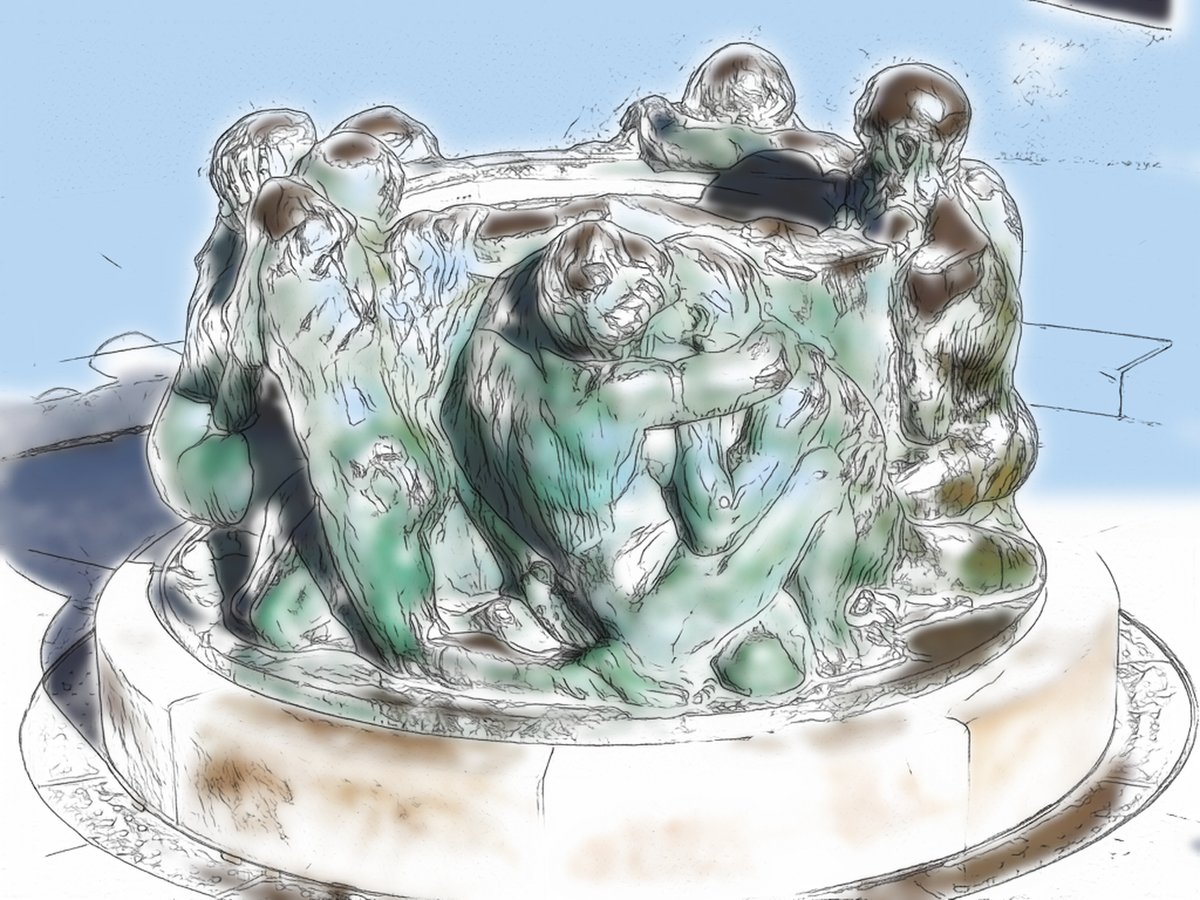
The form
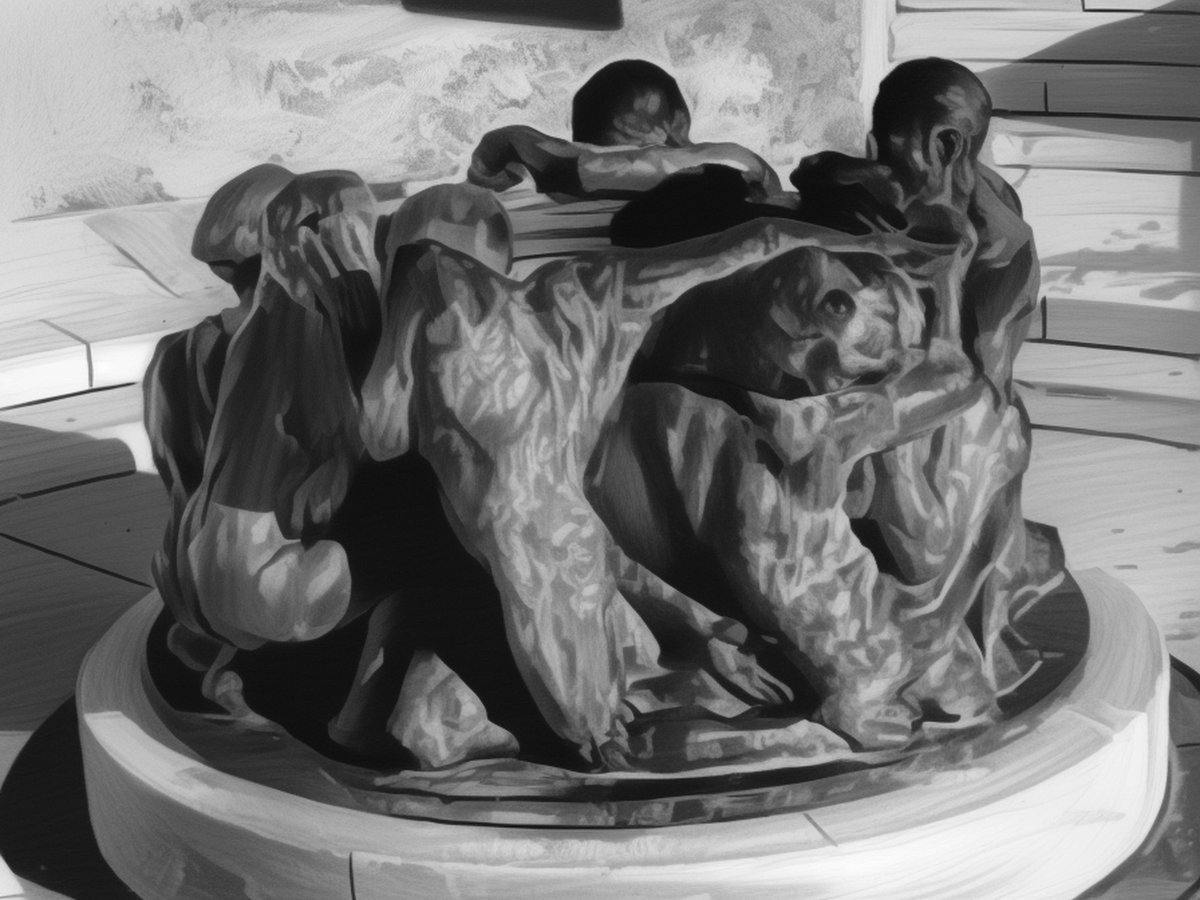
The work is circular, a relief of ten naked figures rendered life-size: a child, a loving couple, and an old man among them, all crouched and turned in toward a central well that holds water. The arrangement reads as a continuous cycle. Young figures embrace and kiss in evident joy, while the old man, near the end of his life, looks down into the water with grief. Together they trace the natural span from birth to death, their faces strongly expressive, their bodies seemingly frozen mid-motion as they watch their own reflections.
Material and surface
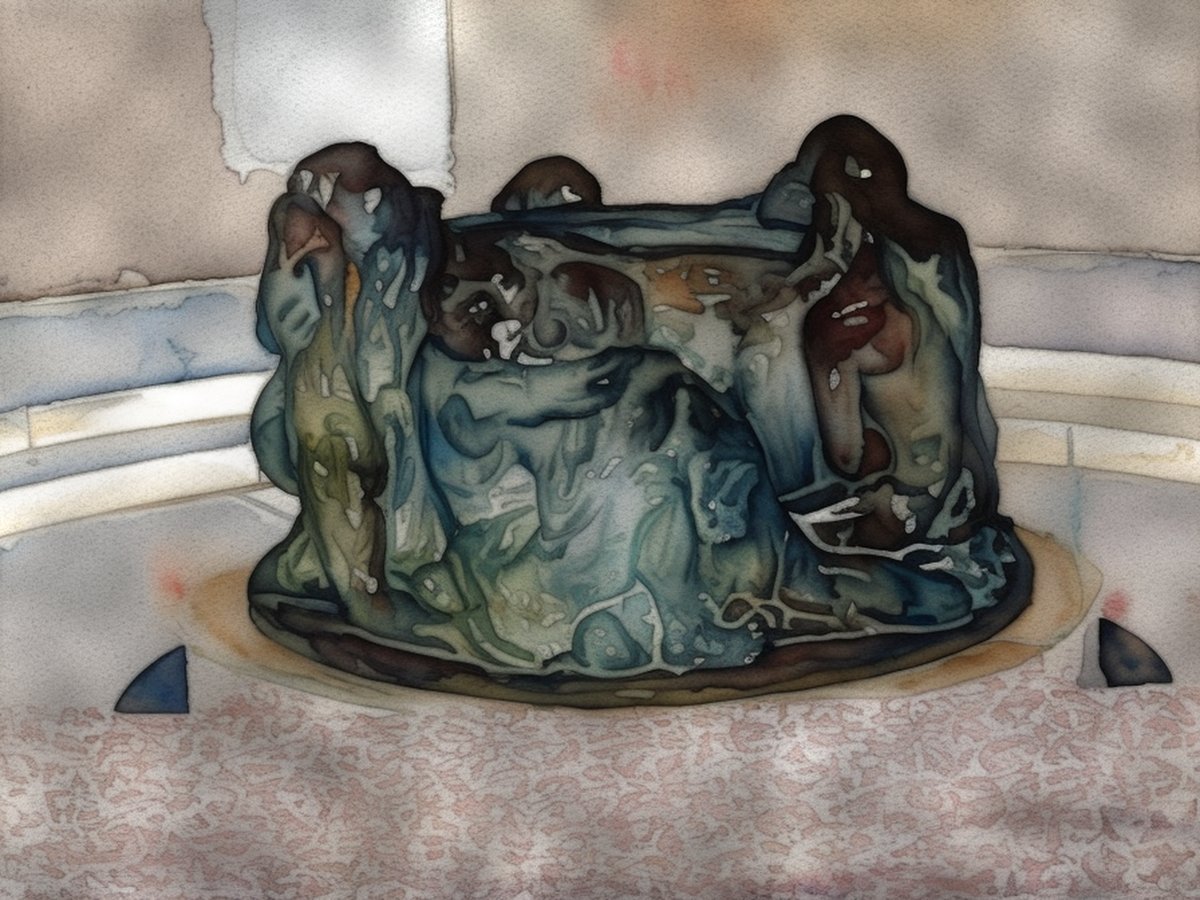
The sculpture is smooth and rounded, with no sharp edges or regular geometric forms; it is at once convex and concave, and the transitions between light and shadow are mild. It is cast in bronze, whose dark color sets up a vivid contrast with the whiteness of the rock on which it sits. The shimmering treatment of the bodies carries Auguste Rodin’s influence. As art historian Ljiljana Čerina puts it, Meštrović “brings Rodin’s impressionism into the Vienna Secession,” proving himself “a rodinist among secessionists” and later, in Paris, “a secessionist among rodinists.”
A guarded arrival
Made in 1905, the sculpture was exhibited in 1909 in the artist’s own gallery at Ilica street no. 12. In 1912 it was bought by Izidor Kršnjavi and installed on Republic of Croatia Square — set into a cavity surrounded by walls, so that its naked bodies would not provoke the astonishment and criticism of Zagreb’s then-conservative public.
Water and wish
The well at the center is no dry conceit: it contains water, and the figures bend toward it in a shared desire for life and joy. In correspondence with Ante Trumbić, Meštrović made plain his own wish — that the Well of Life should instead have stood in Split.
Donji grad, Croatia · Built: 1905