Devghat: Where Two Rivers Decide to Meet
In the north we are taught to build for emptiness — to let a wall hold its silence, to let light arrive slowly across a bare floor. Devghat asks the opposite question. Here, in central Nepal, faith is not subtracted from the landscape; it is poured into it.
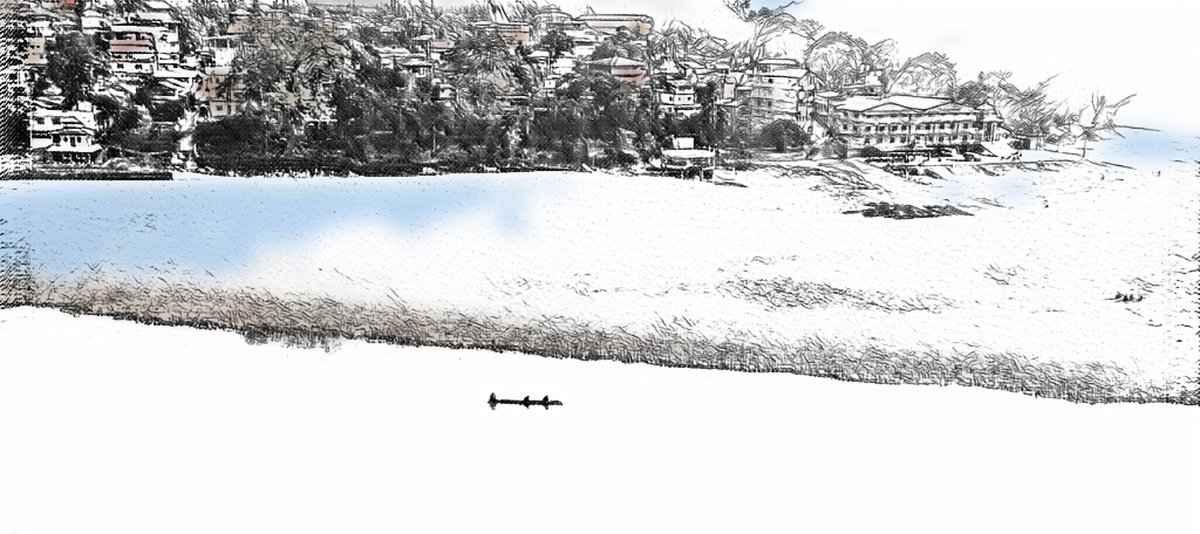
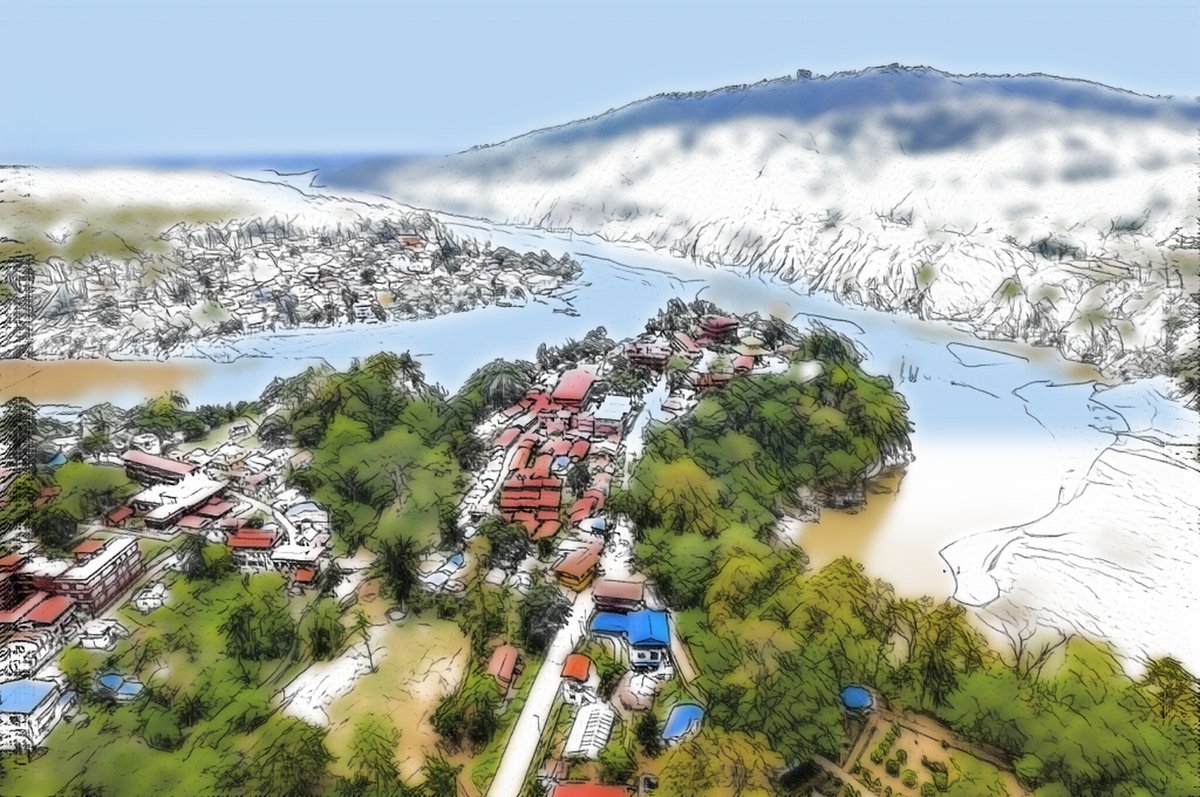
The site is not a building but a junction. Devghat sits where the Trishuli and the Krishna Gandaki rivers join — the meeting itself is the architecture. An architect trained on Lewerentz and Fehn learns to read thresholds, and there is no threshold more honest than two waters becoming one. The town is named for this descent: a ghat, the place where land steps down to meet the river. The structure is given, not made.
Material honesty in moving water
We speak often of letting a material be what it is — stone as stone, water as water. Devghat takes this further than any concrete sill I know. Hindu pilgrims bathe at the junction of the Krishna Gandaki, a river known for its rare Saligram Sheela, a holy stone that devotees worship as Lord Vishnu. The material is not clad or carved into a deity; it is received as one. The river delivers the sacred object whole. For a Nordic sensibility schooled in restraint, this is a startling lesson: here the offering and the source are the same body of water.
Ritual abundance against Nordic quiet
Around this confluence stand temples and caves dedicated to gods, goddesses, and saints — including, the source tells us, Goddess Sita’s cave. At Makar Sankranti, huge melas, or gatherings, form each year, among the largest religious gatherings in Nepal; the date the festival began remains unknown, which only deepens its weight. A historic suspension bridge stitches the Tanahun and Chitwan banks together, a thin line of engineering serving an older crossing.
What is offered here is presence, not coin. The source speaks of bathing, of worship at the stone, of pilgrimage — devotion enacted in water and gathering rather than dropped tokens. Devghat is also a place of endings: ritual sites for the close of life are being built here, and retirement homes gather the elderly near the rivers. The confluence holds both the wish and the farewell.
The Nordic architect arrives expecting silence and finds instead a fullness — and learns that emptiness was never the only way to honour water.
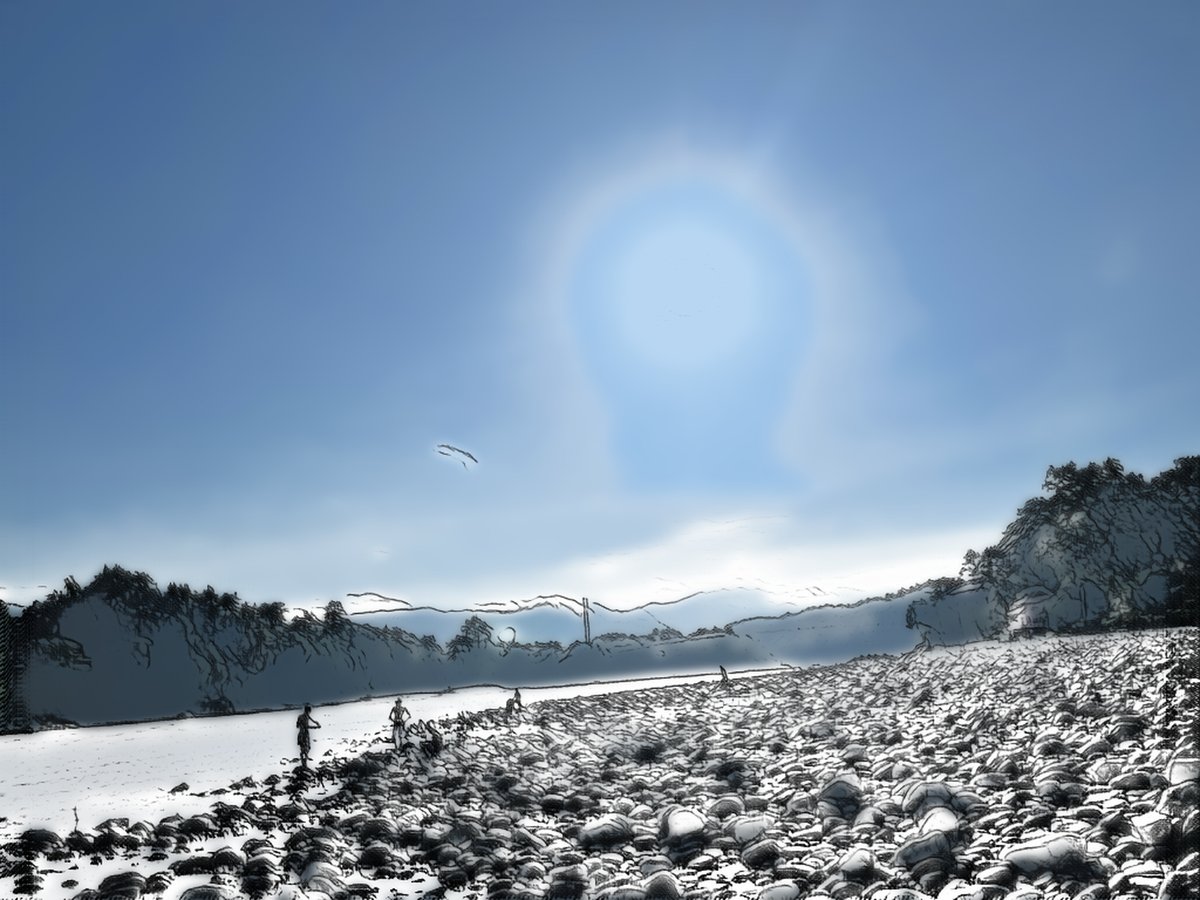
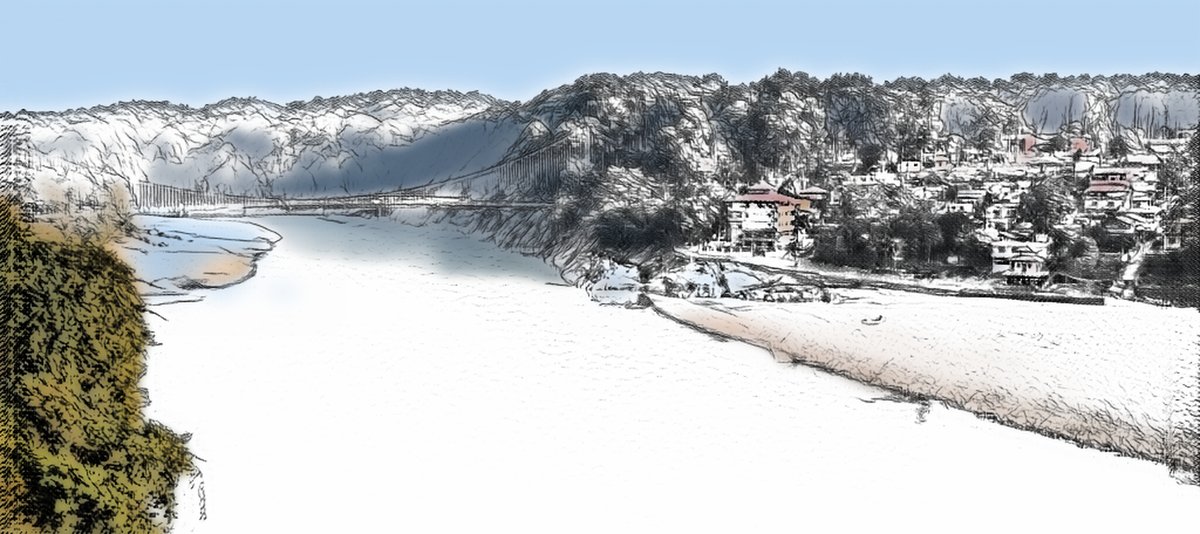
Devghat Rural Municipality, Nepal