A village built around a square
Dunlavin (Irish: Dún Luáin) sits in County Wicklow, some 50 kilometres south-west of Dublin, at the meeting of the R412 and R756. What strikes a visitor first is not a single building but a void: the Market Square, measuring 108 feet across at its widest, ranks among the broadest village squares in Ireland. The present settlement was founded in the late 1650s by the Bulkely family from Cheshire, and those generous proportions were no accident. They were laid out for commerce, giving room for cattle dealing and trading when Dunlavin grew into a prosperous market town in the eighteenth century.
The Market House
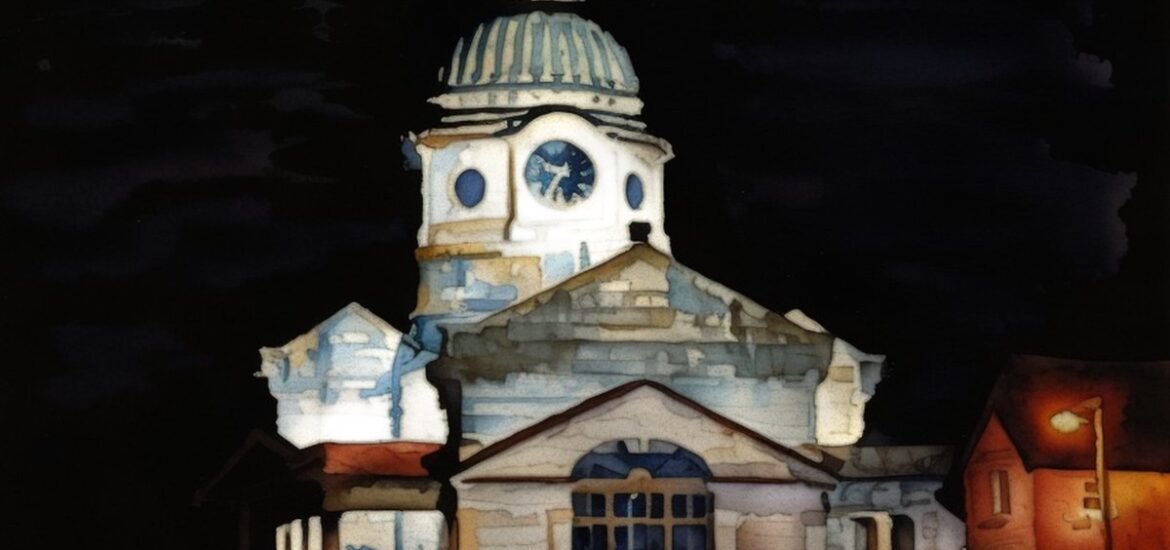
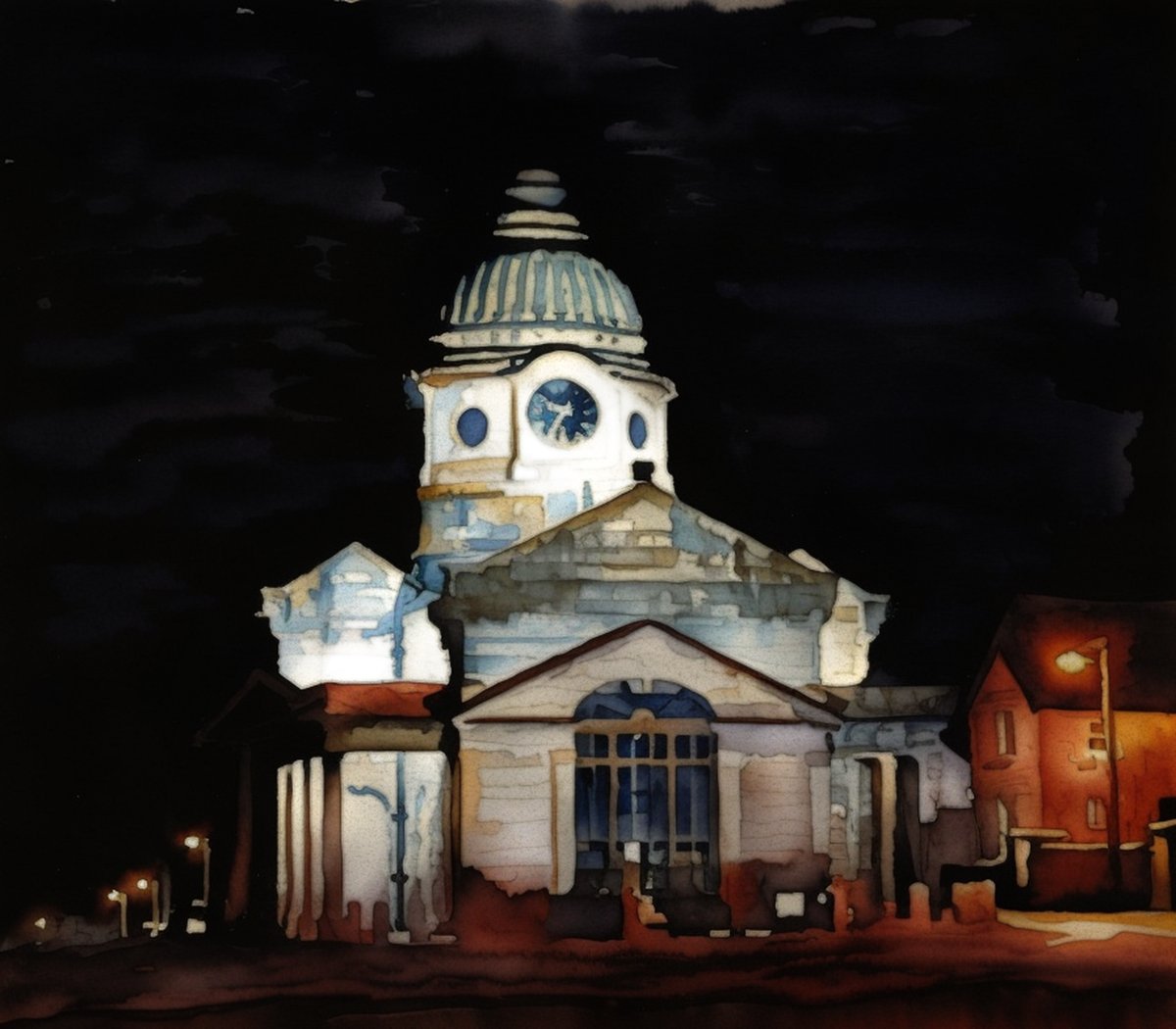
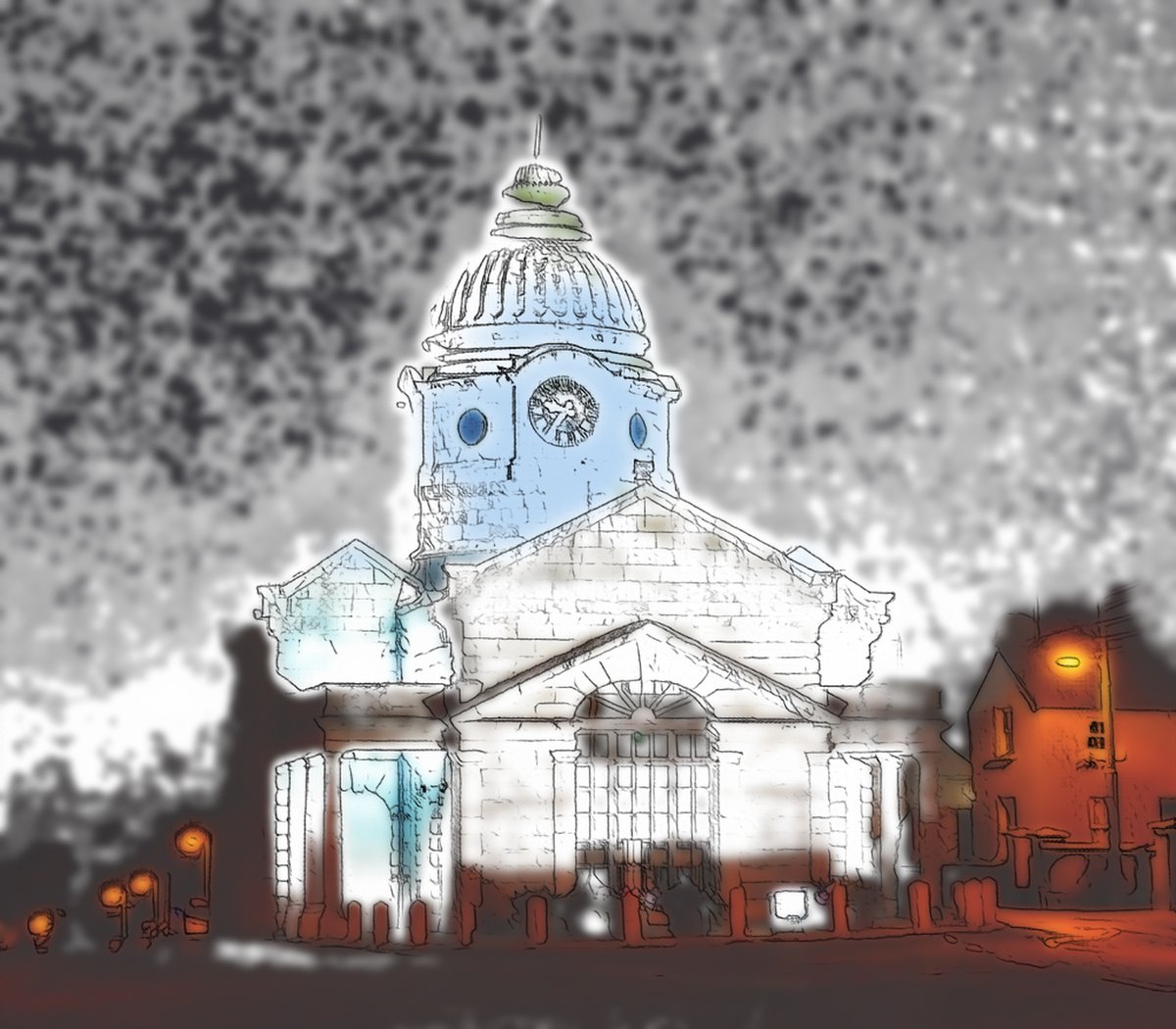
The square’s centrepiece is the Market House, built c. 1740 to designs by Richard Cassels, one of the greatest architects working in Ireland in that century. Commissioned by the landlord Sir James Worth Tynte, who reputedly paid £1,200 for it, the building was raised in the Doric style of Grecian architecture and given a Palladian discipline. It stands on an “island” that bisects the R412, deliberately marooned at the heart of the square rather than pressed to its edge.
Few small Irish buildings have lived so many lives. The Market House served the local economy, was pressed into use as a jail during the 1798 Rebellion, became a courthouse in the 1830s, and was bought by Wicklow County Council in 1956. It ran as a fire station until fire destroyed it in 1966, then as a Council store, before reopening in 1979 as Dunlavin’s library.
St Nicholas’s holy well
The water tradition lies a little outside the town. On the slopes of Tornant moat to the south, a holy well dedicated to Saint Nicholas survives. Pilgrims here performed “patterns” — prescribed clockwise circuits around the well — and the Tournant pattern was traditionally held in late June, a devotional rite that doubled as a social gathering of music, dancing and festivity. A 2016 renovation refurbished the well, installed a mass rock, and laid a waymarked path across the fields from St Kevin’s Community College, reconnecting the village to its oldest sacred water.
County Wicklow, Ireland