St Peter’s Well, Houston
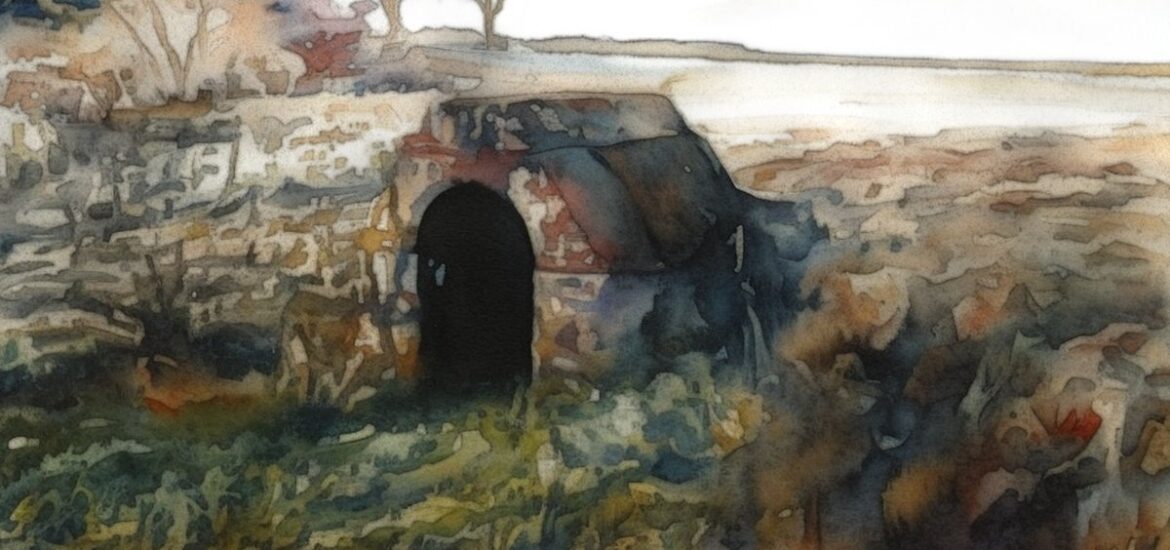
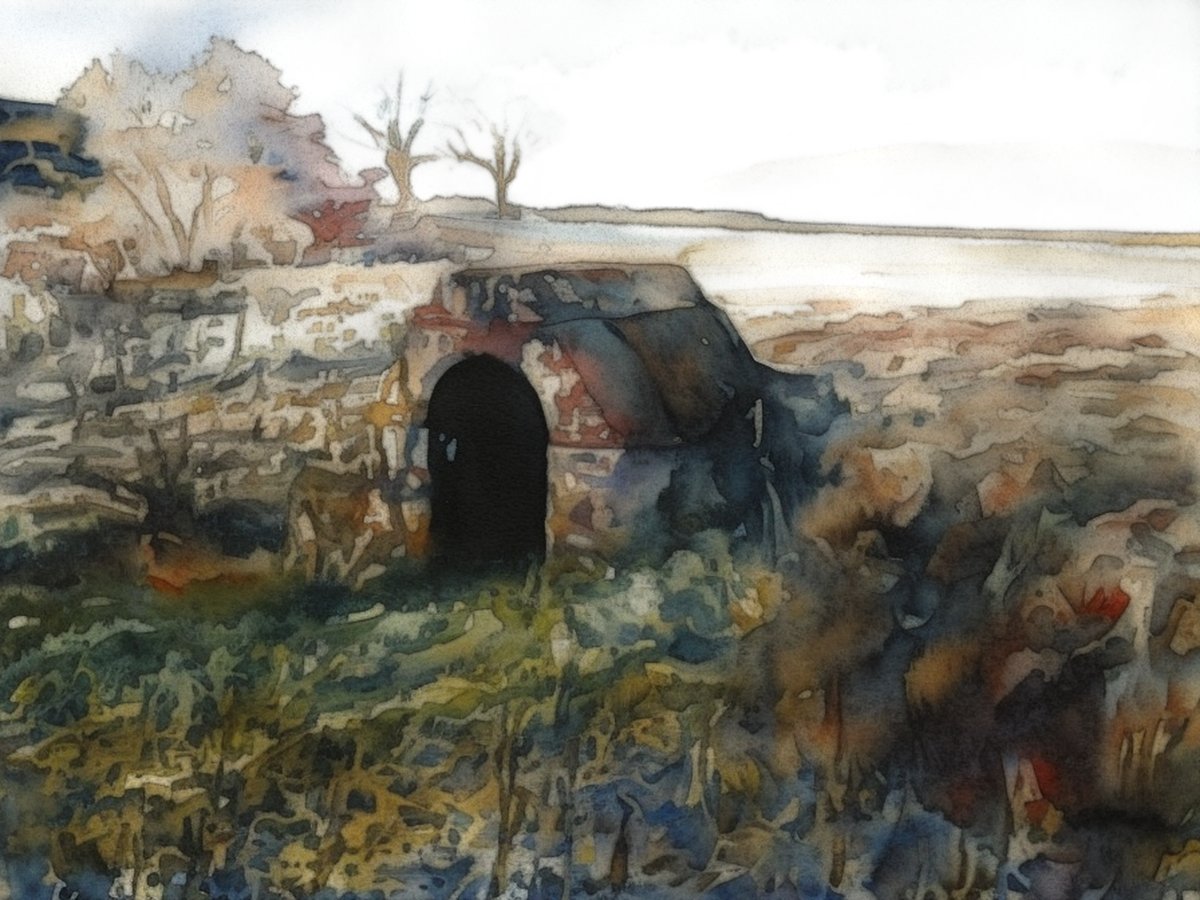
A spring made into a building. St Peter’s Well is a rare surviving example of a holy well house — a covered well raised over the waters of a spring. It stands in a field below Greenhill Farm, off Chapel Road near Houston in Renfrewshire, in the parish of Houston and Kilellan, south-west Scotland. The town of Houston was originally known as Kilpeter, the Cella Petris, and a chapel once stood nearby; a local farm carried the name Chapelton.
The well house
A Category B Listed Building, St Peter’s is rectangular, capped with a flat ridge or “saddle-shaped” top and a steeply pitched roof. Ornament is almost entirely withheld — only a chamfer on the arch at the entrance. It is a small freestone structure, roughly 4.5 feet wide and 5.5 feet long, built onto a low bank. A stone appears to be missing at the closed northern gable end, and no clear sign survives of whether crosses or other religious ornament once formed part of the building.
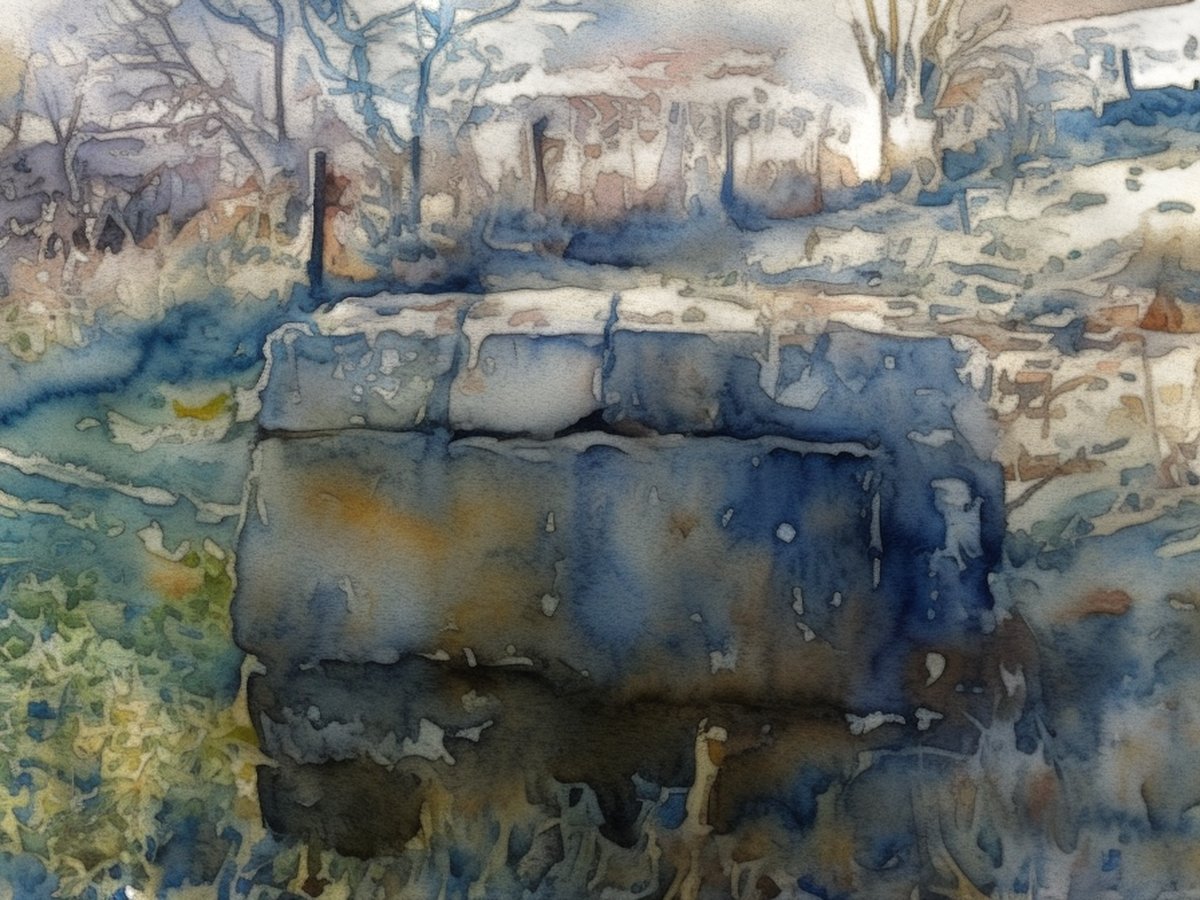
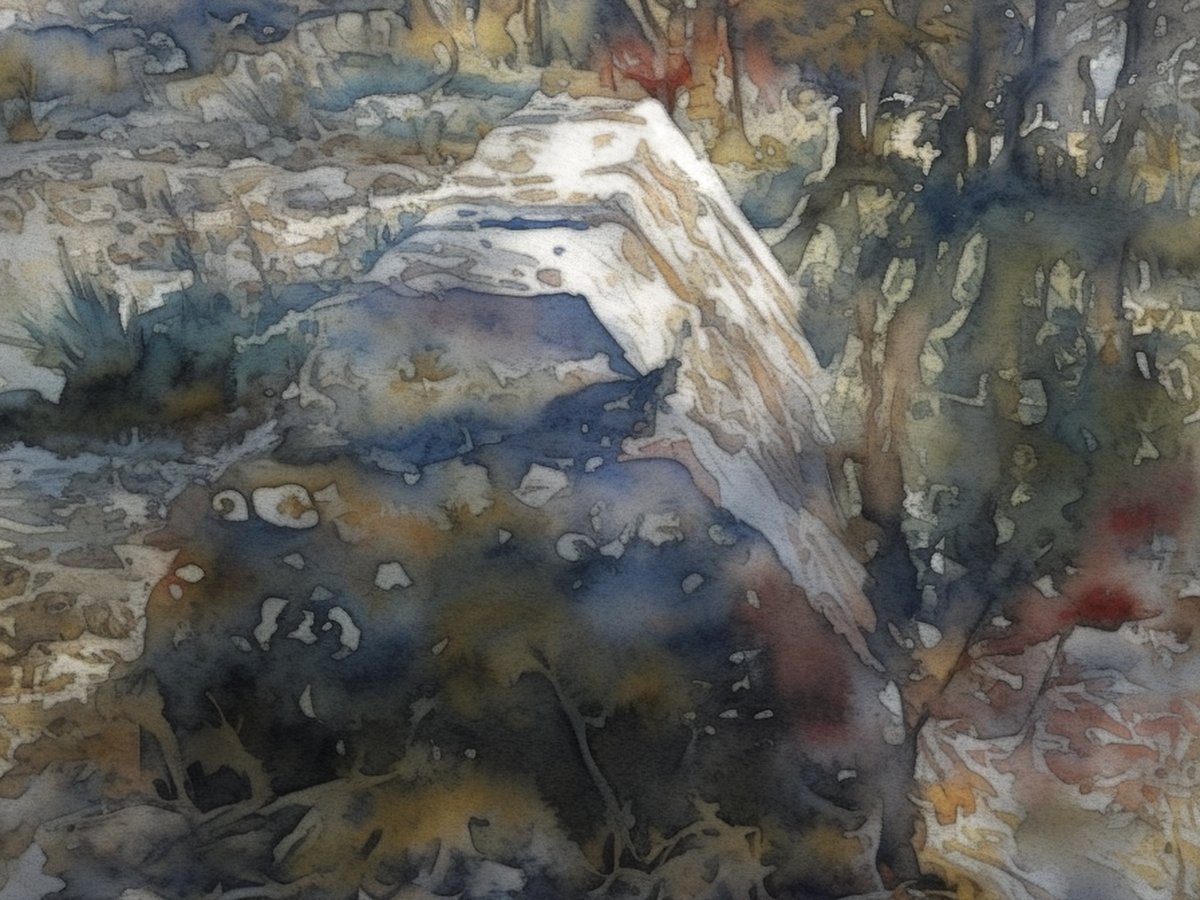
Reading the roof. Several cup-shaped depressions sit along the ridge, and it seems logical that a further course once existed — most likely a single long stone covering the cross joints of the second course and sealing the building watertight. If a missing third course carried one or two crosses, Presbyterian attitudes after the Scottish Reformation may account for their removal. Holes in the top stones at the entrance suggest that chained cups were once fixed for those taking the water, or that a gate kept animals out.
Material and history
The age of the present building is uncertain. It was already regarded as ancient in Victorian times and may owe its existence to worked stone salvaged after the old chapel was abandoned around the 16th-century Reformation. In the 1880s it stood unmaintained, in danger of collapse, its joints showing a mortarless dry-stone method that hints at such re-use. The structure has since been internally consolidated, with cement now between the stones, and appeared in good condition by 2018. Curiously, the architects’ drawings of 1883 show the arch stone without a chamfer; it has one now, suggesting the stone was turned during restoration.
Water and tradition
The spring’s waters now flow through grass into the nearby St Peter’s Burn and on into the grounds of Houston House; the boggy ground hints that a direct channel once ran between them. The holy waters were believed to ensure protection against misadventure and the safe return of travellers — a local poem holds that whoever drank would return safely to Houston. St Peter’s Day, June 29, brought a popular fair, perhaps an echo of pagan midsummer, with produce sold and horse racing held. A religious service is still held here each year by the minister and congregation of Houston and Kilellan.

Renfrewshire, United Kingdom