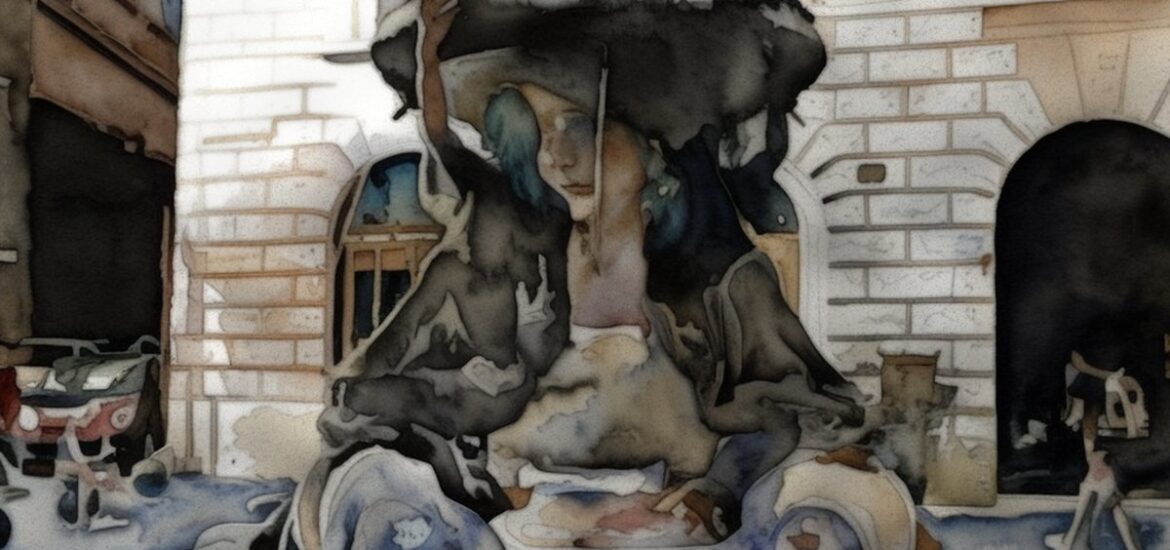
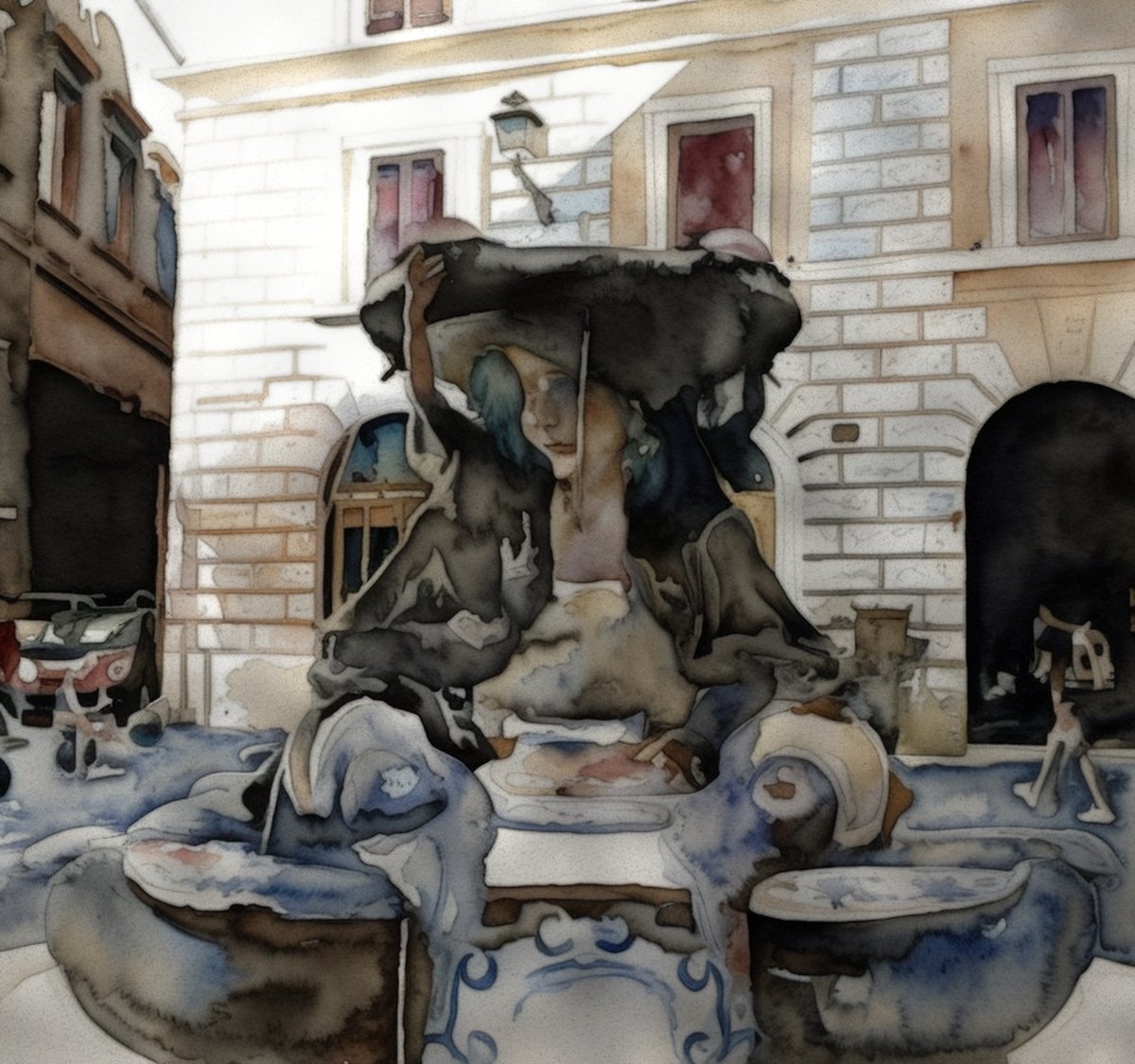
A private fountain in a quiet square
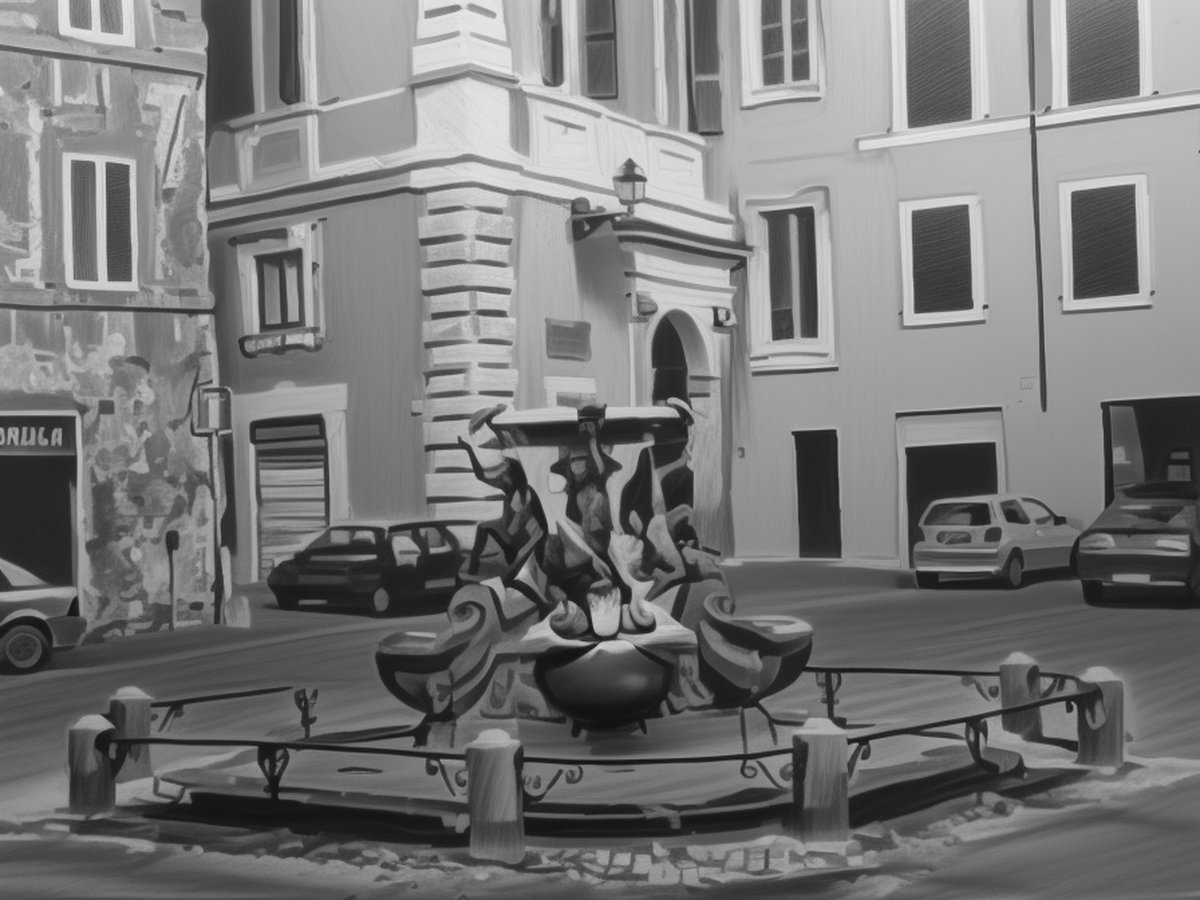
The Fontana delle Tartarughe sits in the small Piazza Mattei, in the Sant’Angelo district of Rome, a late Italian Renaissance work built between 1580 and 1588. Among the eighteen new fountains drawn from the restored Acqua Vergine aqueduct, this is one of the few raised not for a pope but for a private patron, the nobleman Muzio Mattei, who used his influence to redirect the planned fountain to the block where his family lived, and paid to maintain it and pave the square in return.
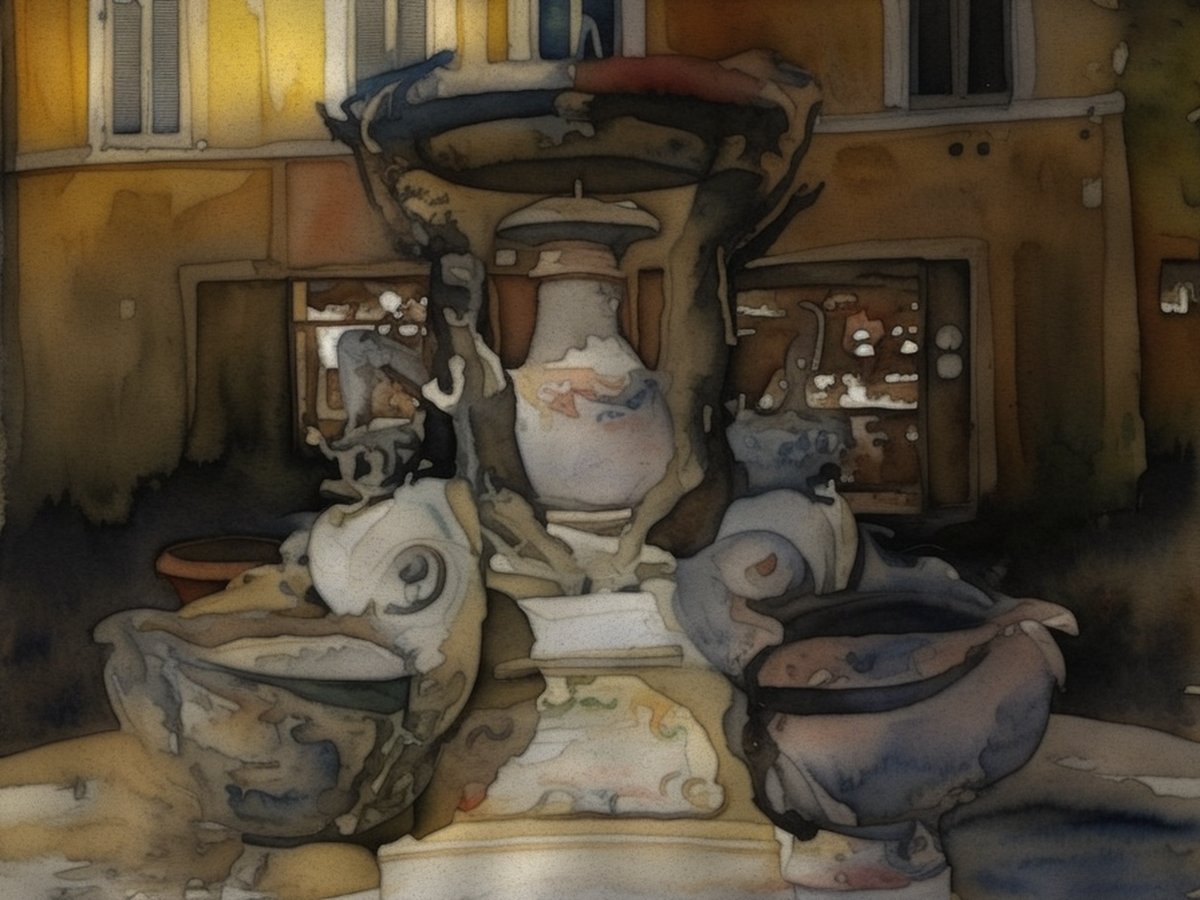
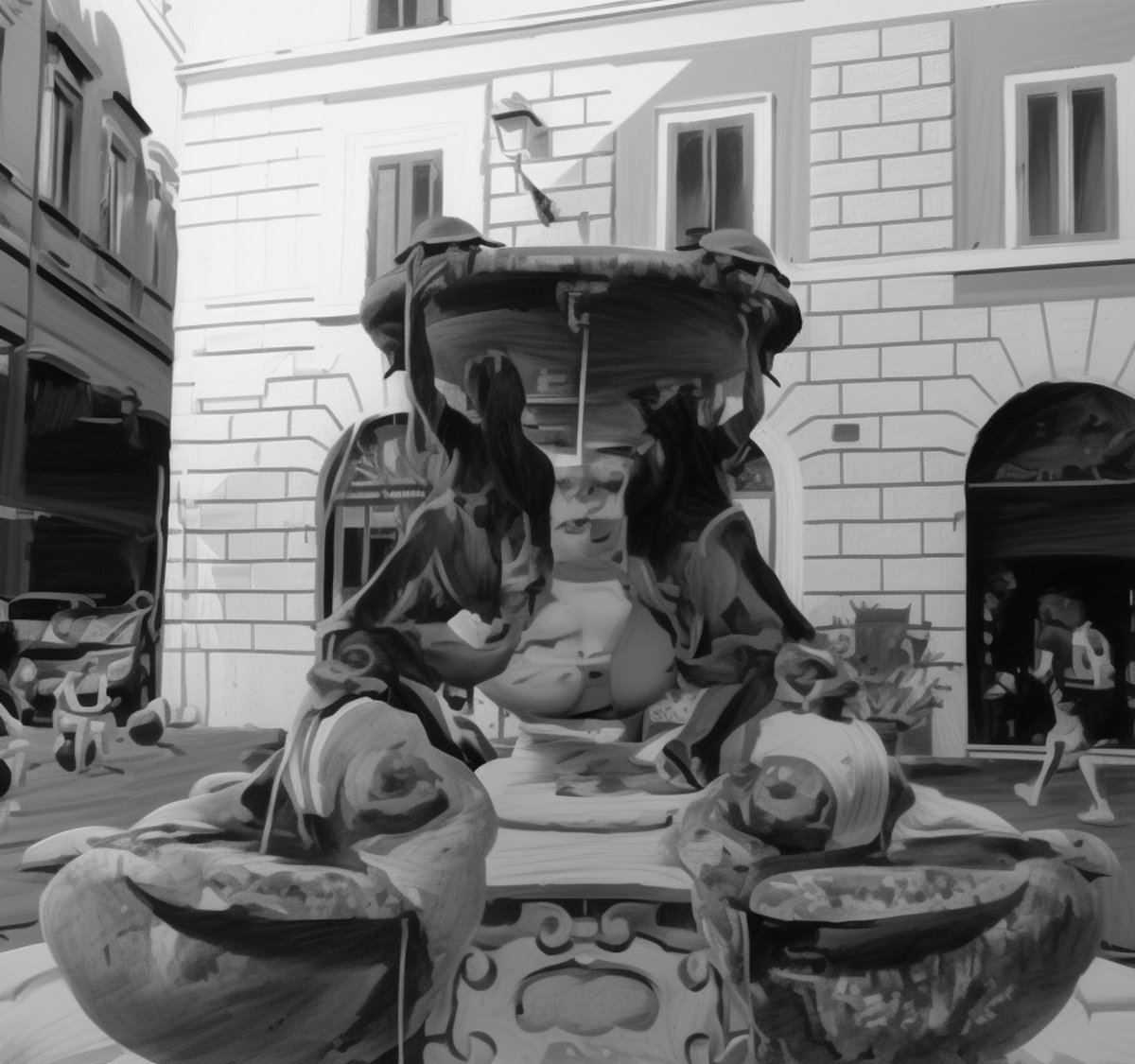
Composition. The architect Giacomo della Porta gave it a logic he repeated elsewhere, adapted from ancient Roman precedent: a single vasque, or bowl, raised on a pedestal, water jetting upward and falling into a basin below. Here the basin is square, and the circular vasque is cut from African marble. Four marble conch shells gather at the base, and four putto heads ring the rim of the vasque, spouting into the basin. The clarity of della Porta’s scheme is its strength: a centered vertical on a pedestal, contained within a tight geometric footprint that fits the modest piazza without crowding it.
Sculpture and the reading of the figures
What distinguishes this fountain is its decoration. Mattei commissioned the young sculptor Taddeo Landini, in his first Roman commission, to model four ephebes and eight dolphins. Intended in marble, they were finally cast in the more costly bronze, the mannerist ephebes possibly drawn from Ammannati’s figures for the Fountain of Neptune in Florence. Each youth rests a foot on a dolphin’s head, grasps its tail, and raises one hand toward the vasque’s edge.
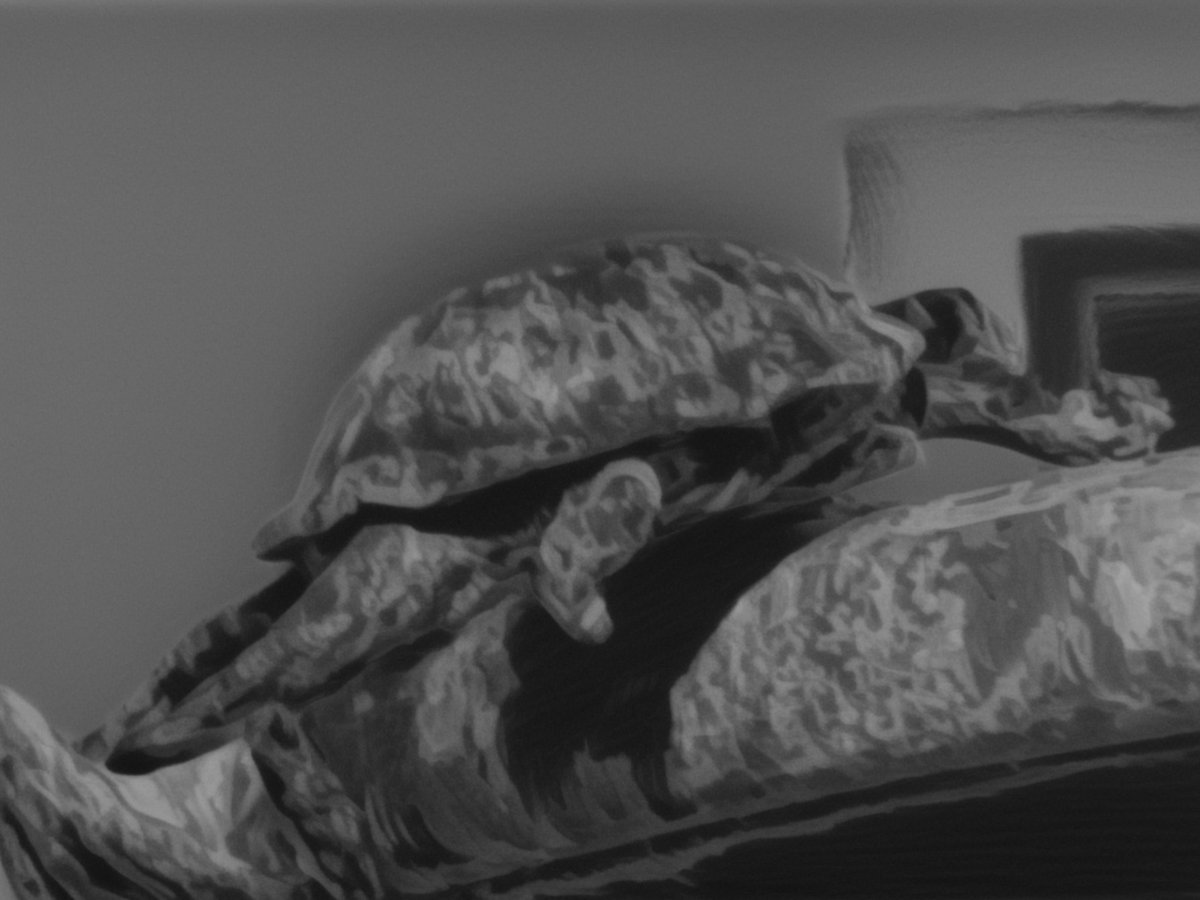
The turtles. The fountain’s feeble water supply, only a slight fall across the whole aqueduct system, forced an early modification: four dolphins were removed, leaving the upraised hands without purpose. During Pope Alexander VII’s restoration of 1658 to 1659, four bronze turtles were added at the rim, balancing the composition and answering those reaching arms. Usually attributed to Bernini or Andrea Sacchi, they are strikingly realistic. Praised in 1588 as “the most beautiful and perfect fountain in Rome,” it reads today exactly as intended: an intimate, finely balanced piece of theater in stone, bronze, and water.
Rome, Italy · Architect: Giacomo della Porta