St Myllin’s Well
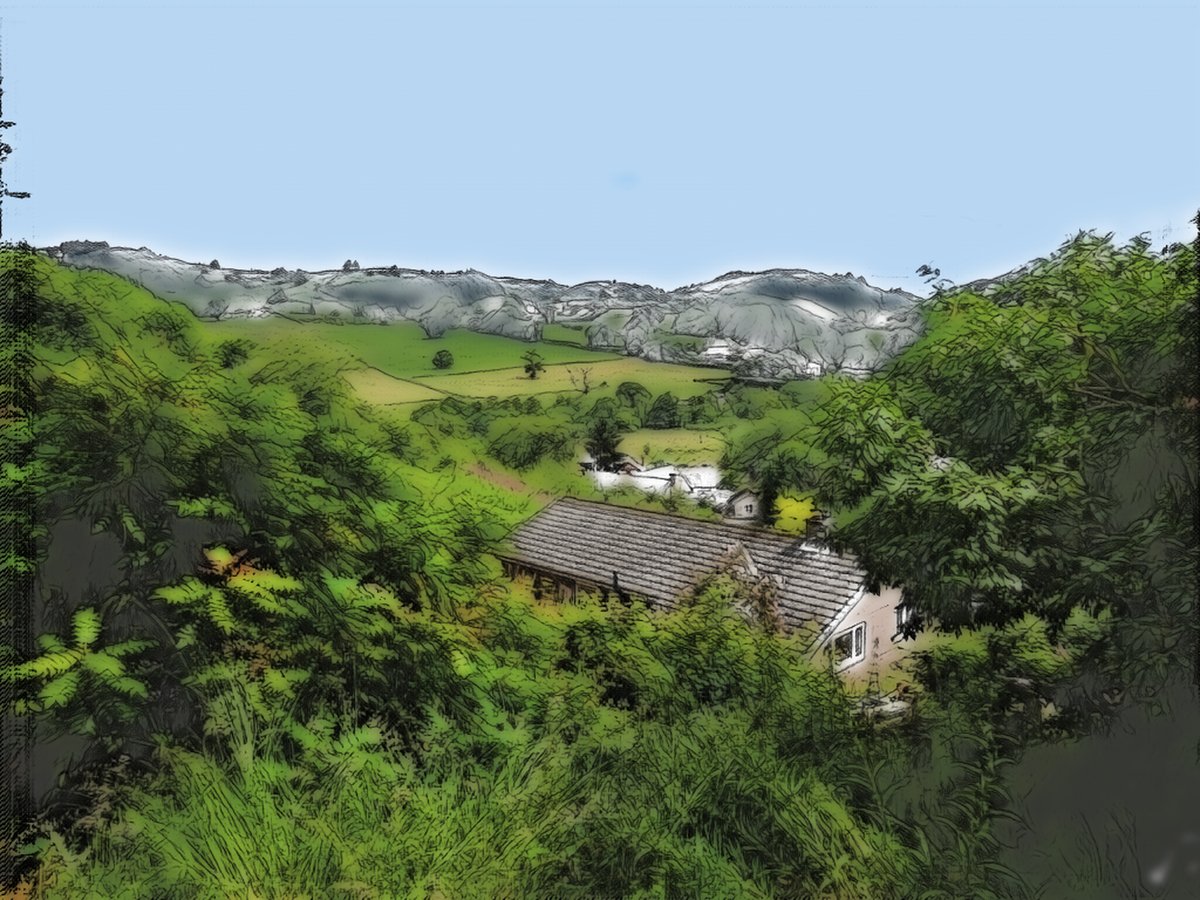
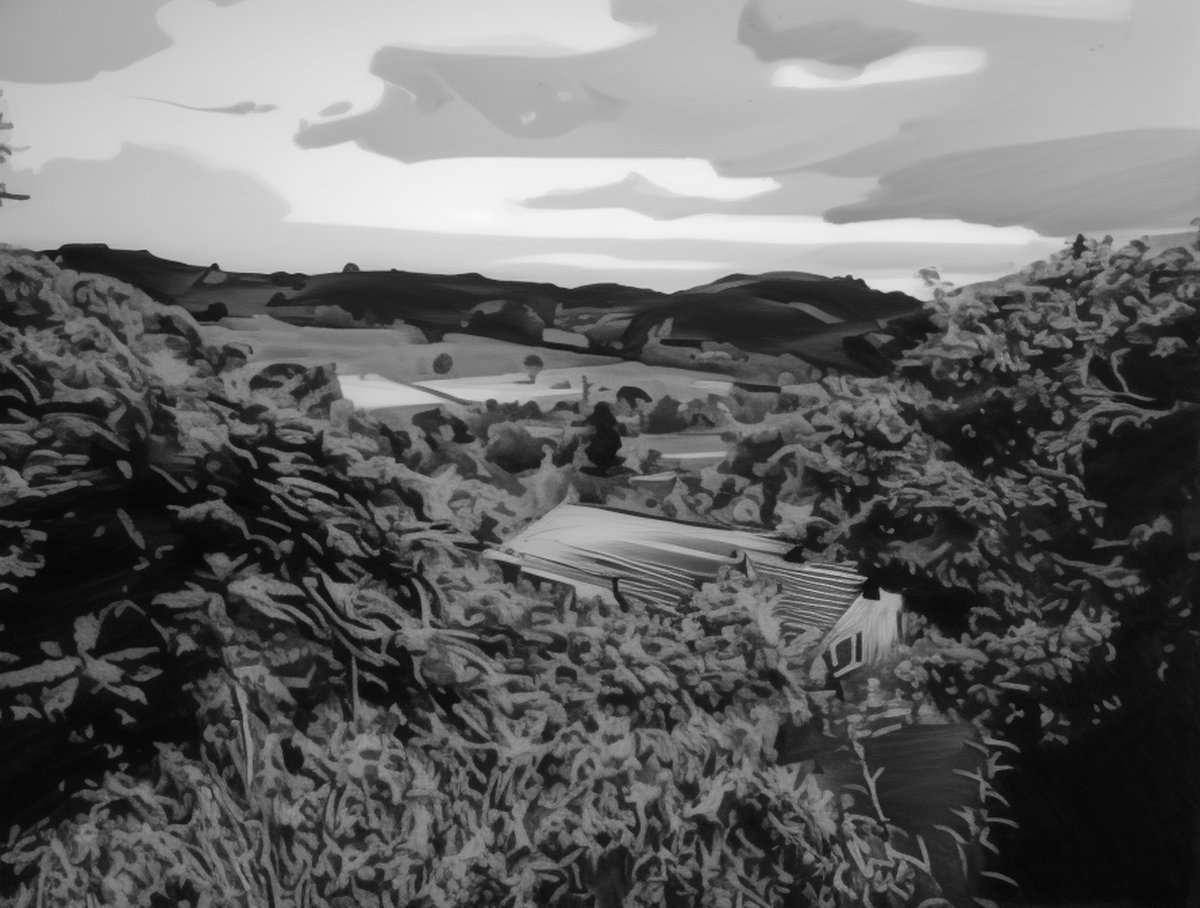
Above the town of Llanfyllin, in Powys, Wales, a spring rises that has been read as sacred ground since the sixth century. Known also as Fynnon Coed y Llan, St Myllin’s Well sits off Coed Llan Lane, below the Coed y Llan woodlands — a hillside source rather than a built monument, its architecture the quiet kind made by enclosure and water rather than by a named hand.
A structure shaped by restoration
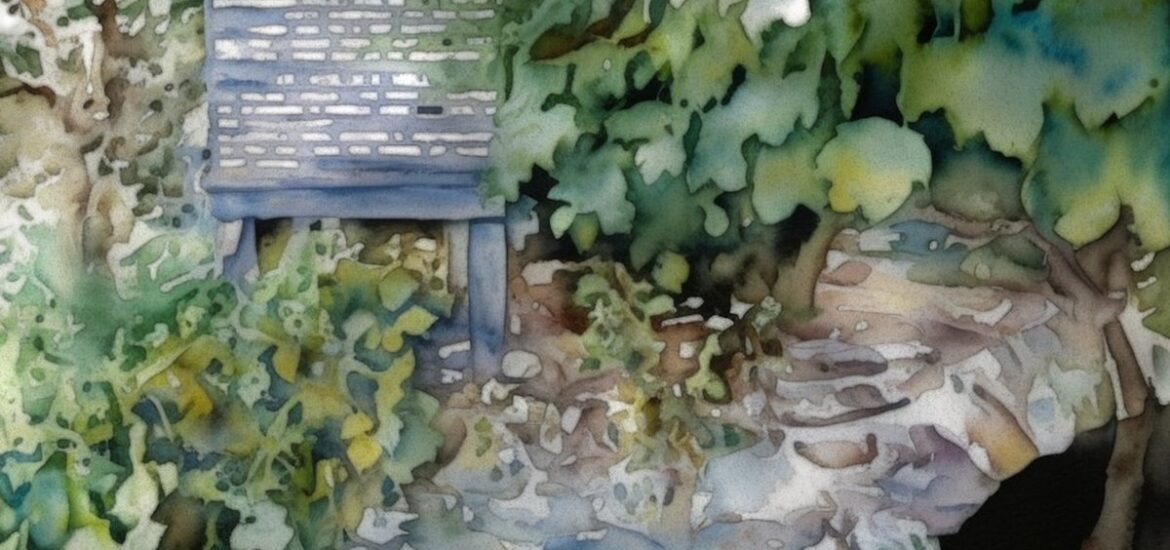
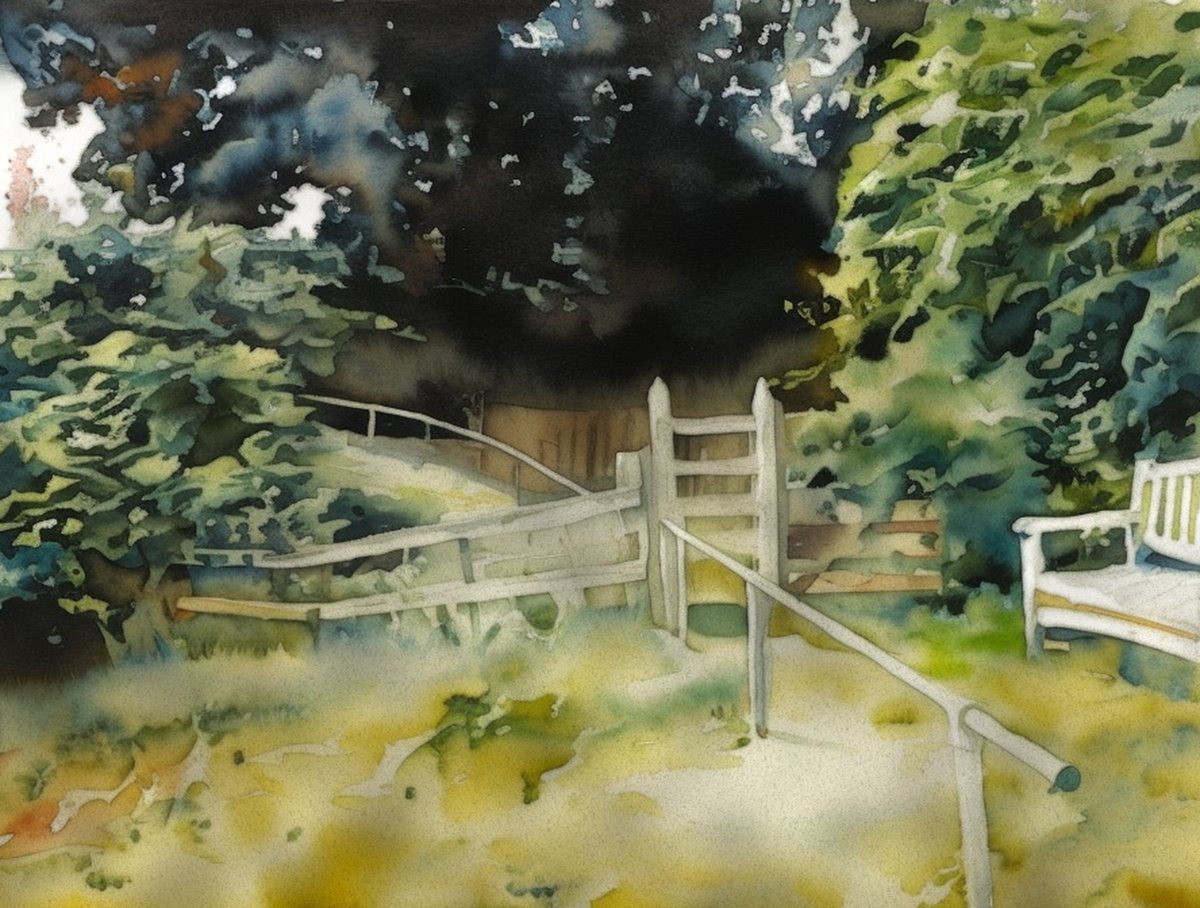
The well is small. It was originally around 6 square feet, or 0.558 square metres, but during restoration and reconsecration in 1987 it was reduced in size. By then the site had become overgrown; the improvement works at the well and its surroundings won the Prince of Wales Award that year. The water still flows, running now into recently built small ponds — so the spatial reading is one of a single source carried outward into a managed landscape. A large sycamore tree grows at the site to this day, and the well itself is Grade II listed.
The saint in the lake
Myllin was a Celtic saint of the sixth or possibly seventh century. His cell enclosure and wooden church stood at this hilly site, and his holy well can still be seen. Most likely a local saint of little influence beyond his immediate neighbourhood, he is said to have been the first in Britain to baptise children and to convert adult pagans by full body immersion. For this constant presence in the water he was known as ‘Sant Mewn Llyn’ — the ‘Saint in the Lake’. Llanfyllin’s parish church in the town centre is dedicated to him.
One tradition, considered ill founded, identifies him instead with an Irish bishop, Moling Luachra (614–697); but no record of that bishop travelling to Wales survives, and it is thought to be the local hermit Myllin who was buried under the altar of Llanfyllin church.
Water, wishes and rags
The Fynnon Coed y Llan was also the parish well. People visited on Trinity Sunday to drink its water sweetened with sugar, served by local maidens, while the men took cakes and ale in a tavern in the town. The sacred waters were held to have healing properties. Visitors dipped rags into the water and hung them on nearby bushes and trees; as those rags disintegrated, fortunes could be told and wishes granted.
Llanfyllin, United Kingdom