A pit on a rocky hill
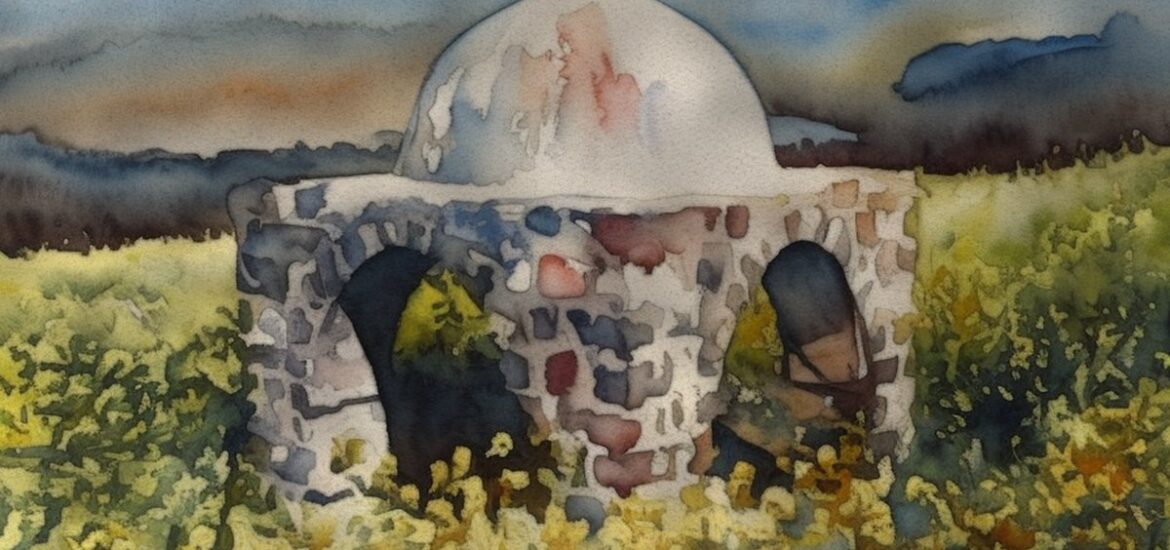
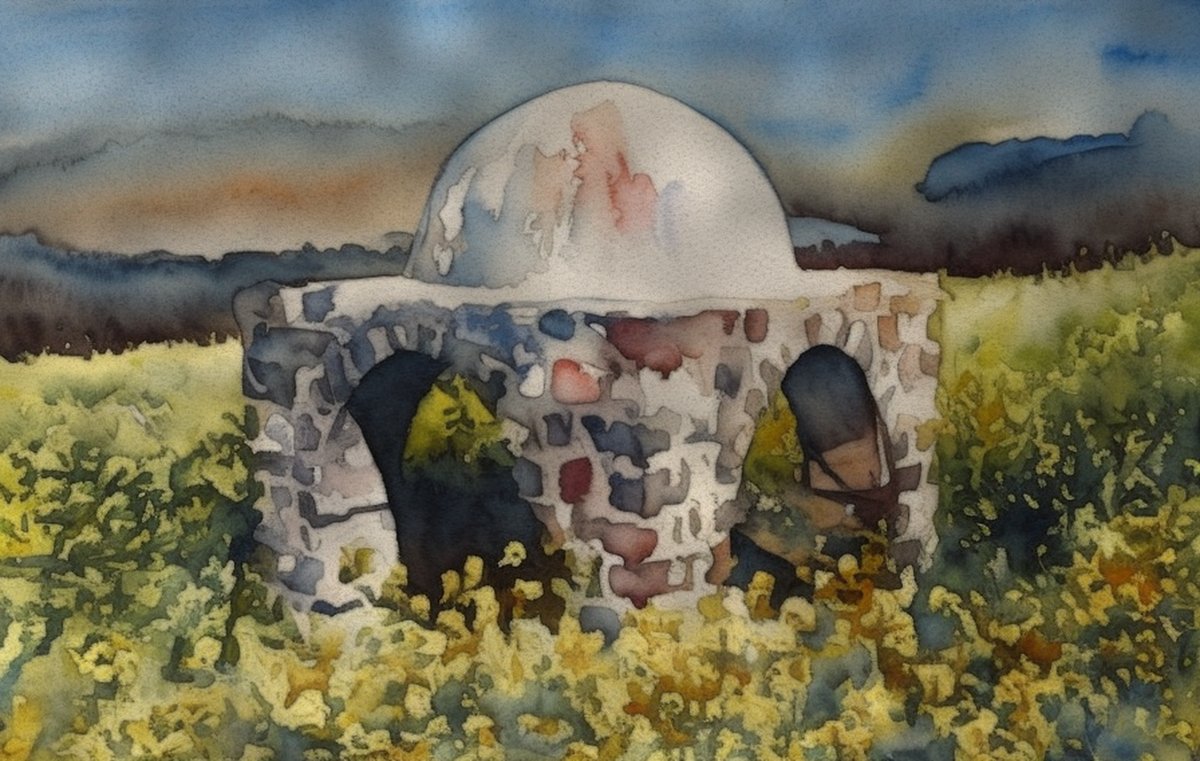
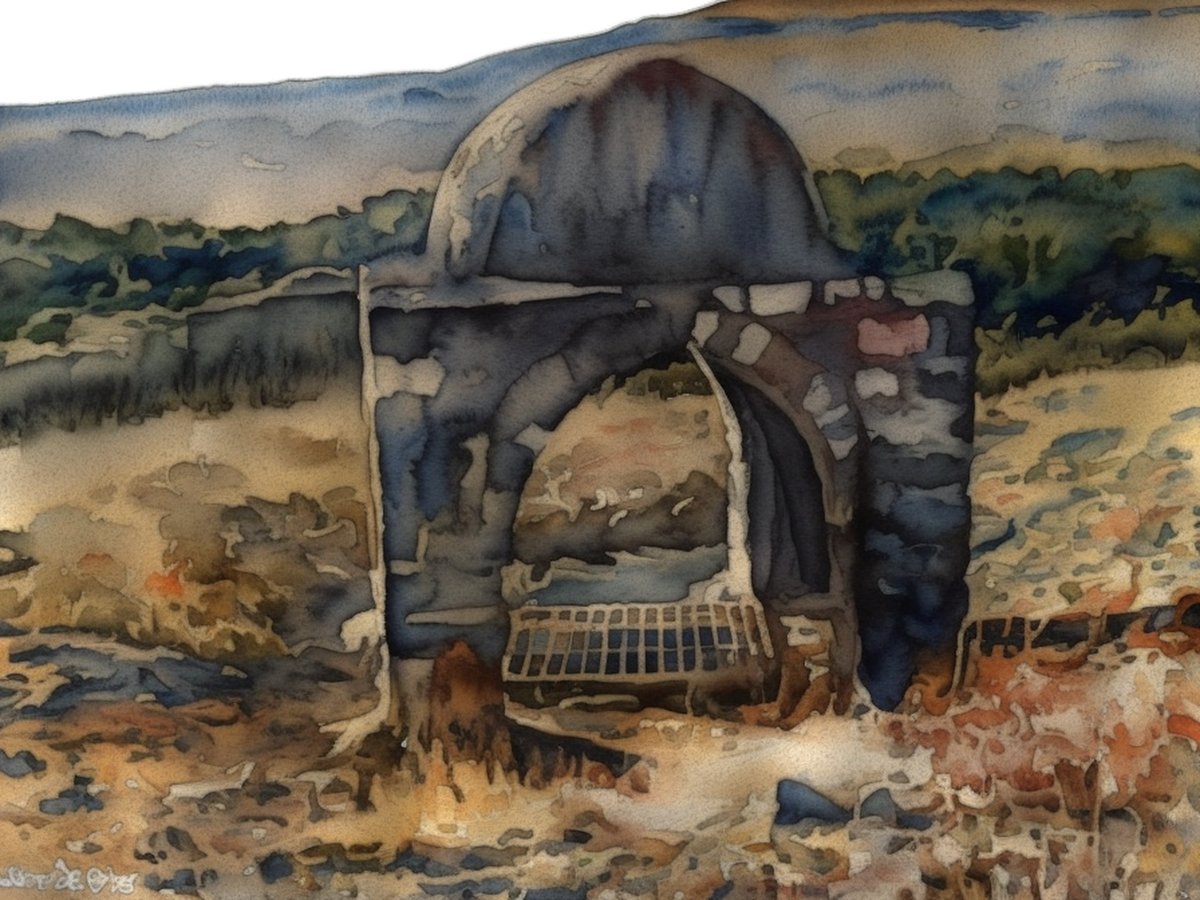
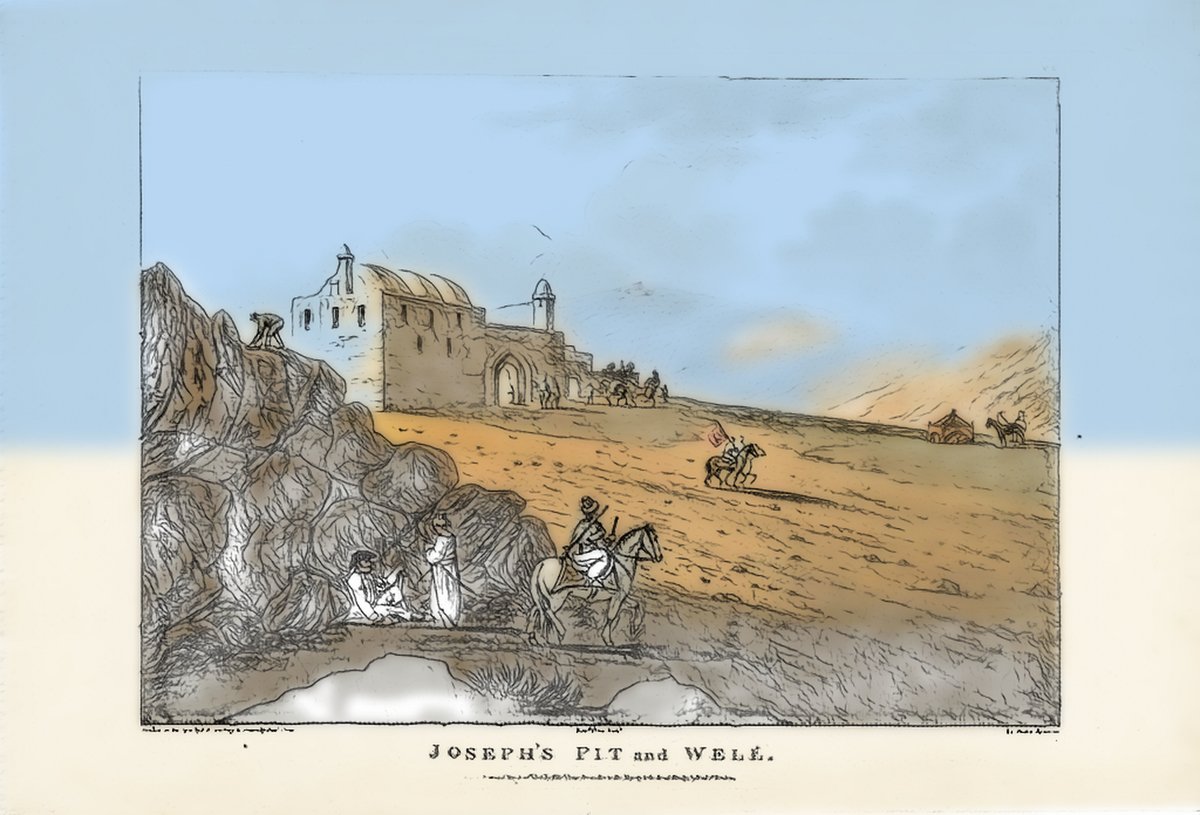
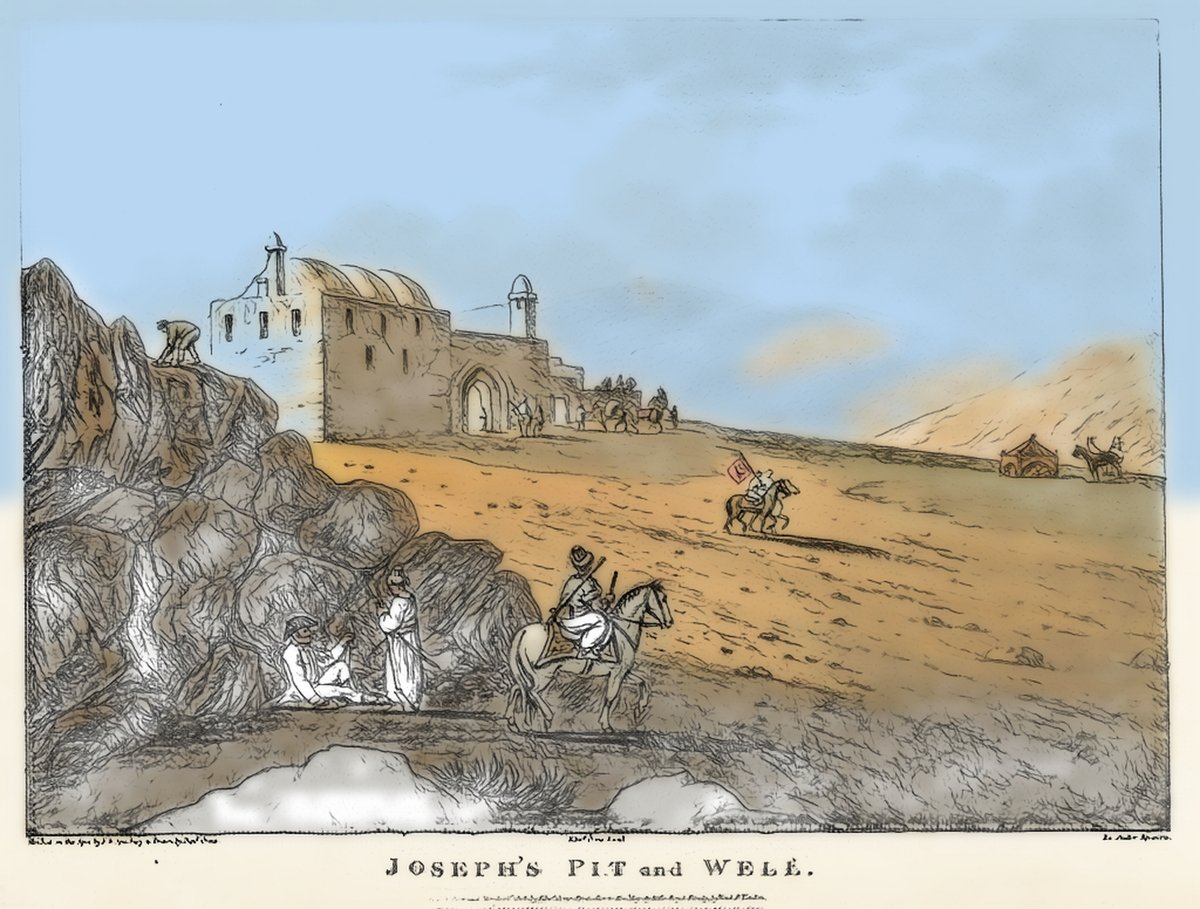
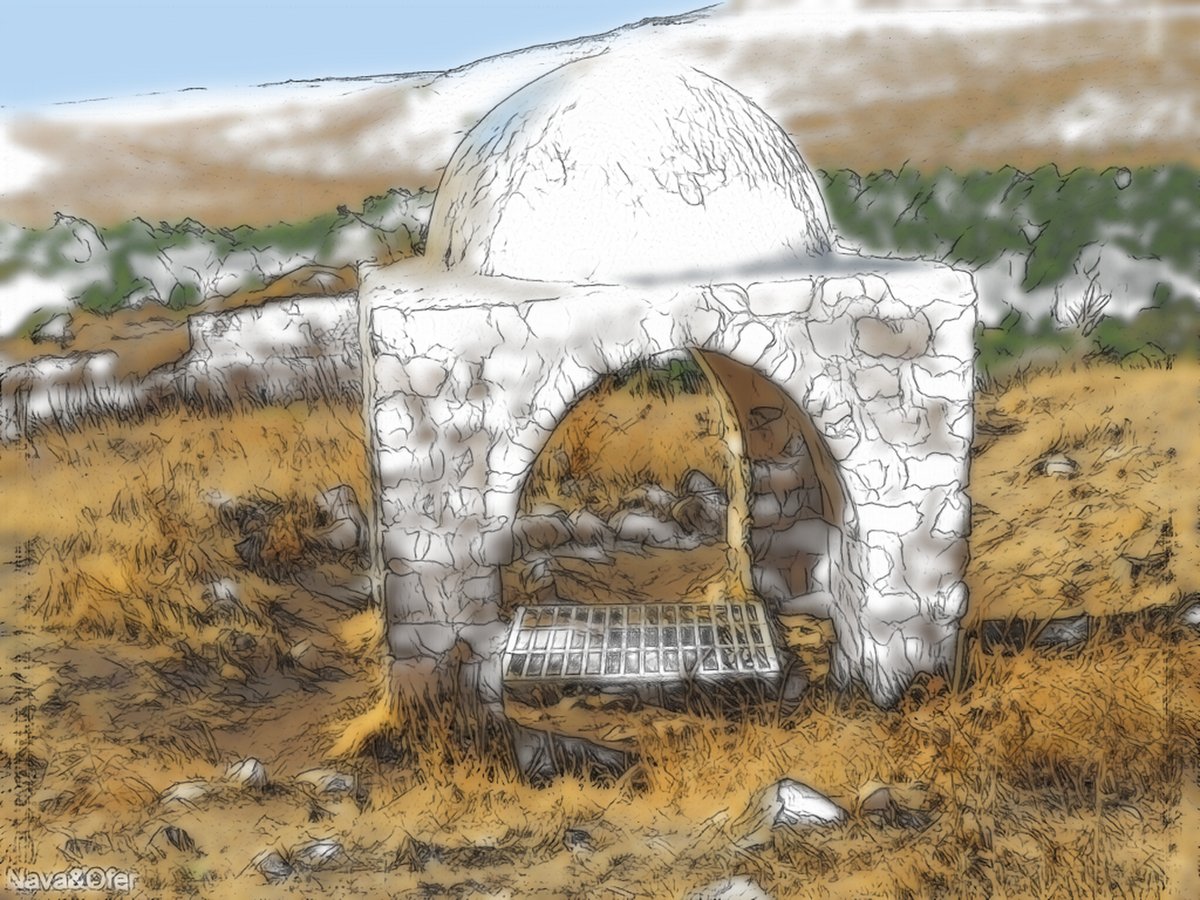
Jubb Yussef, “Joseph’s Well,” is not a fountain raised by an architect but a hole worked into the ground and then dignified by what was built above it. The site sits on the western flank of a rocky hill in Ramat Korazim, in the Galilee, at an altitude of 246 metres. The well itself is modest in plan: a dug-out pit roughly one metre in diameter and about four metres deep. What gives it presence is the small structure overhead — a cupola carried on four pillars — and the ring of ancient graves that surrounds it. The Italian traveller Rocchetta, in 1599, described a domed structure on marble pillars rising over the pit, set within a quadrangle with the water hole at its centre.
Water, masonry, and setting
For centuries the pit held water, which is the reason it mattered. Standing on a hill, it nonetheless reached good drinking water at a depth of about ten metres, a peculiarity travellers repeatedly noted. Burckhardt, in 1812, found the bottom hewn in the rock and the sides “well lined with masonry,” with water that “never dries up.” That permanence struck him as reason to doubt the legend itself. The supply likely fed from an aquifer rather than rainfall, which would also explain the quality of the water. After the Galilee earthquake of 1837, the pit collapsed and was no longer cited as a source.
History along the road
Jubb Yussef sat on the great road linking Egypt, Syria, and Mesopotamia, a crossroads mentioned from the tenth century onward as landmark, holy place, and watering stop for caravans. A small khan or caravanserai was raised nearby late in the sixteenth century, and a small mosque once stood beside the well within its quadrangle. In 1900 a philanthropist set a marble plaque on the domed structure, reading “Pit of Joseph.”
The legend and its rituals
Muslims hold this to be the pit into which Joseph was cast by his brothers before being sold to a passing caravan — a story shared by the Biblical and Quranic narratives, the Quran naming the pit a jubb. The place drew veneration from Muslims and Christians alike; travellers recorded special prayers and processions honouring Joseph, and caravans seldom passed without pausing.
Northern District, Israel