A Spring Made Monument
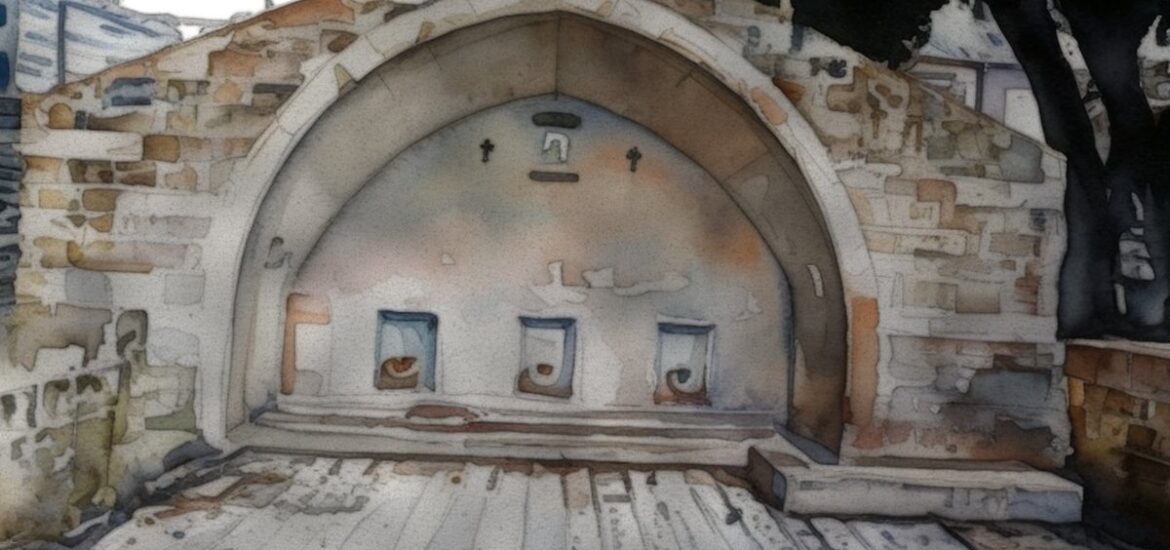
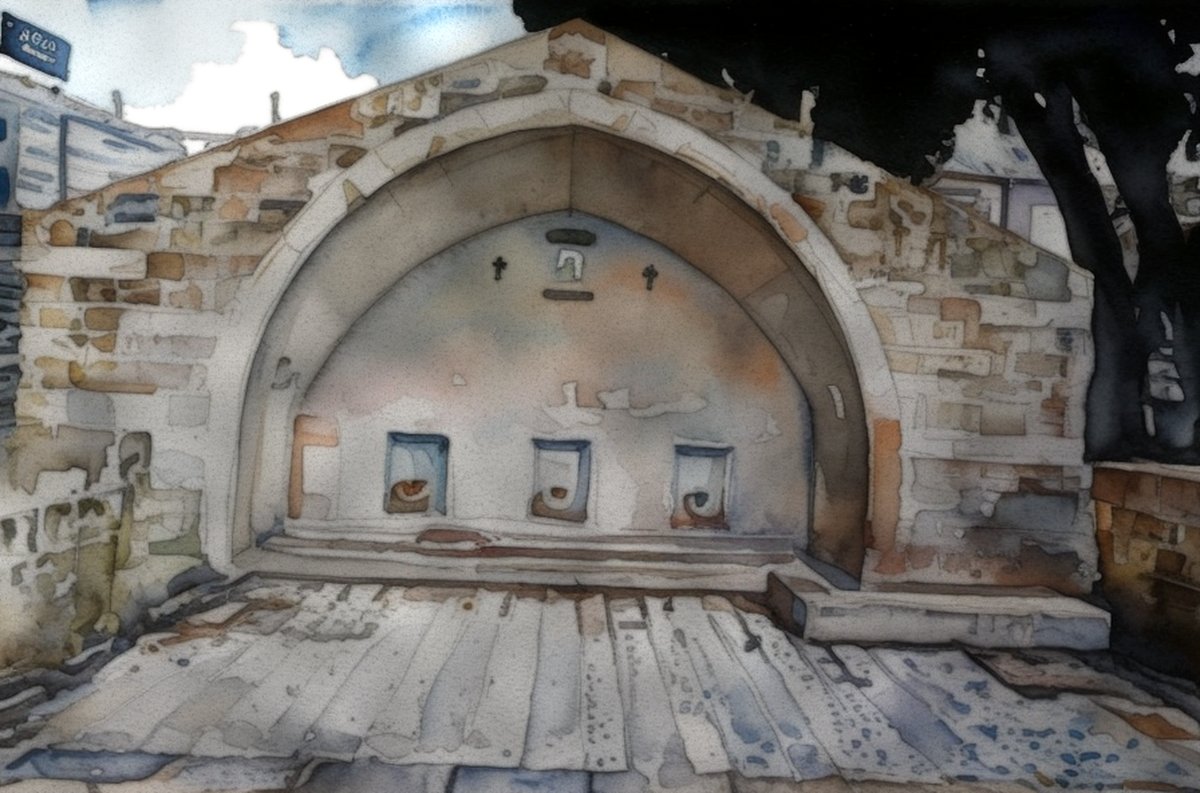
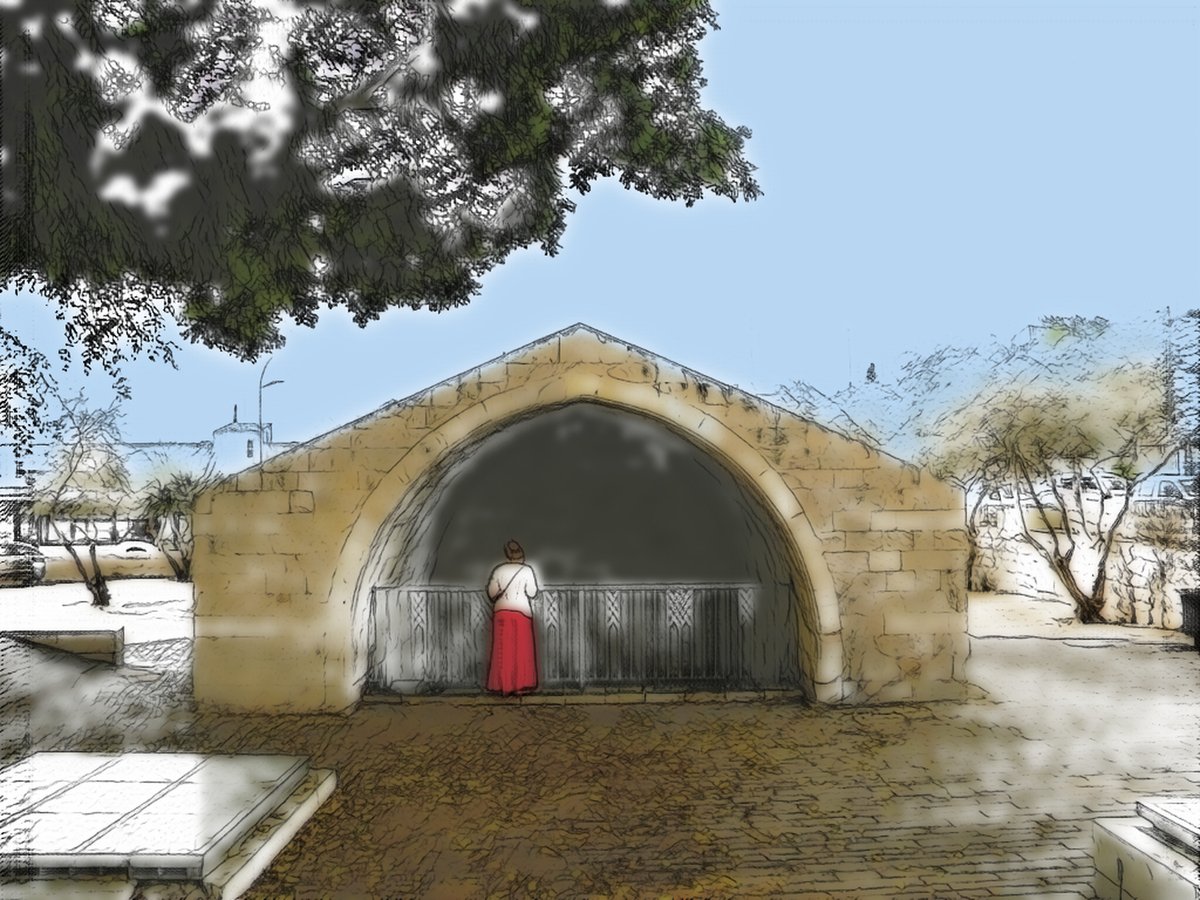
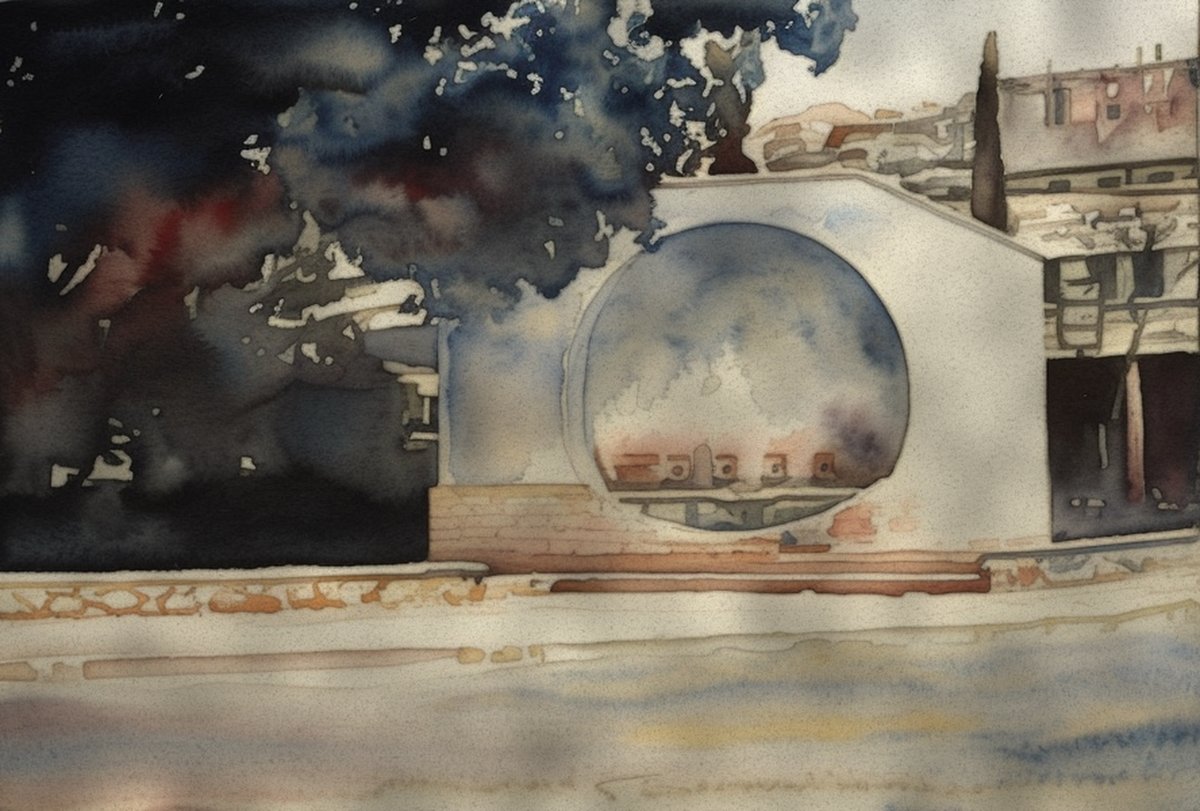
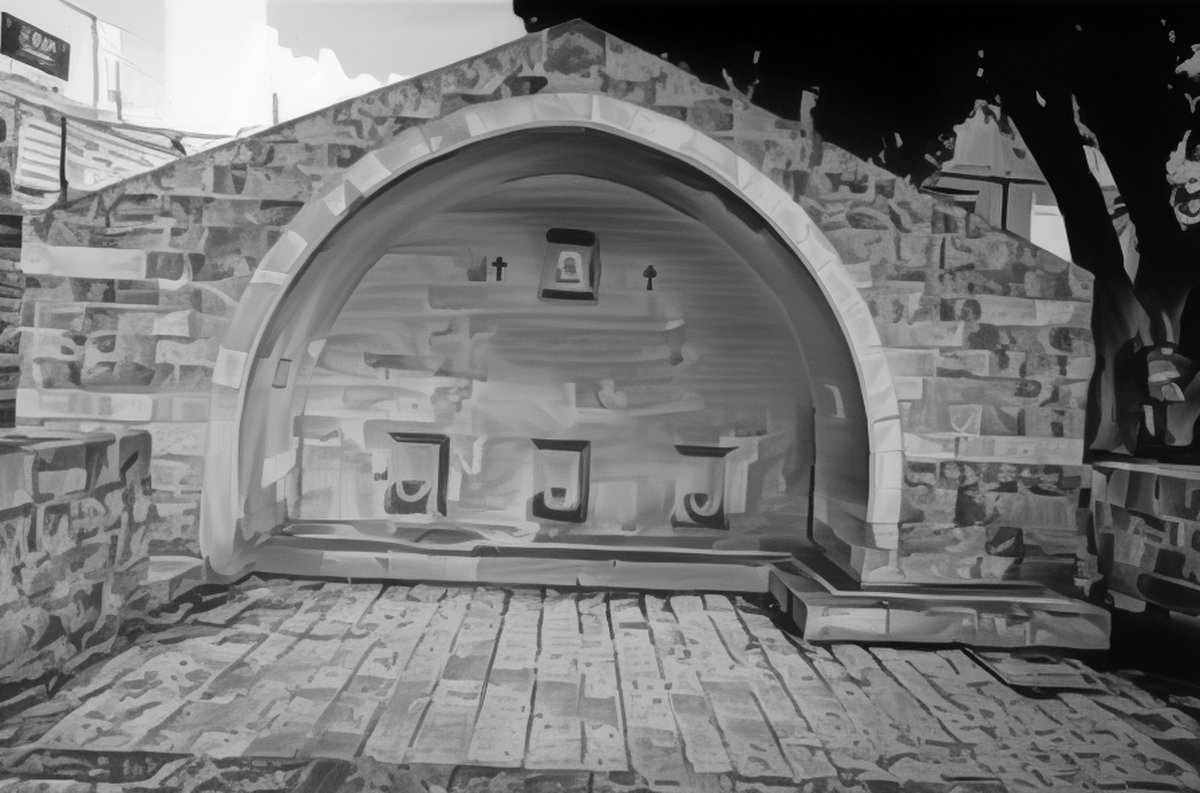
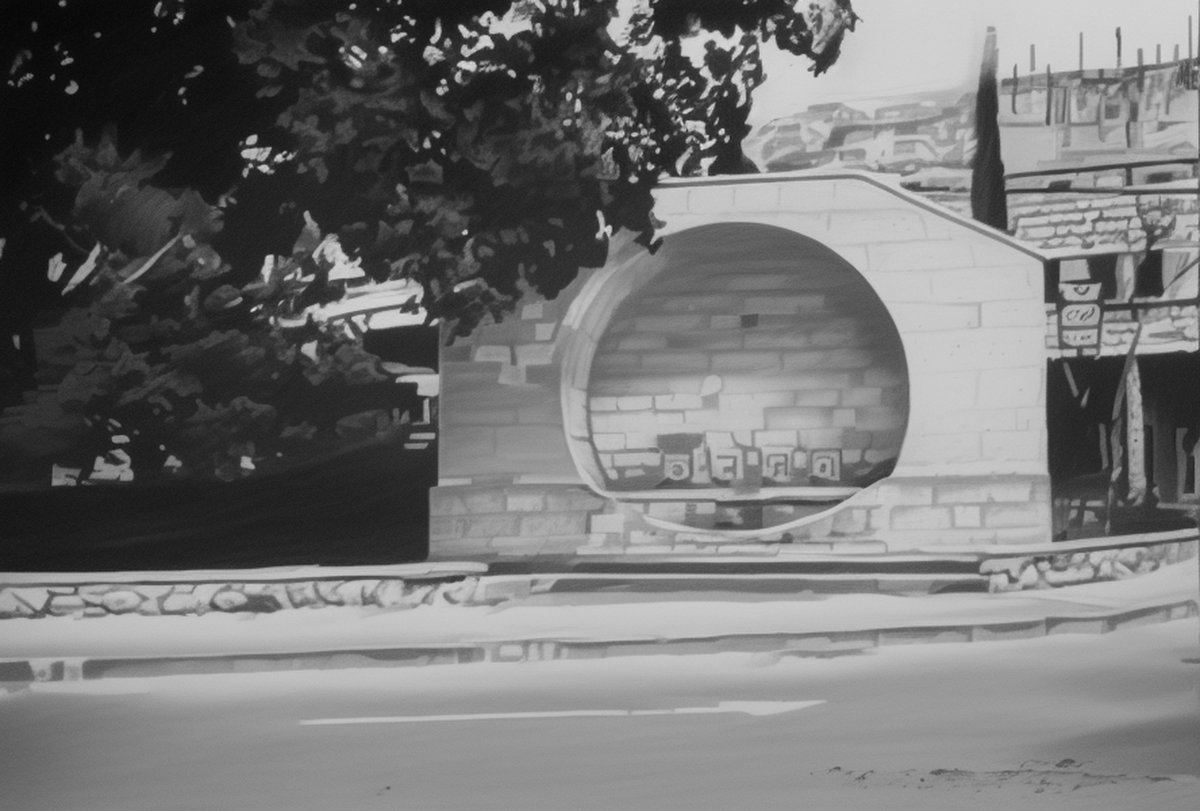
Mary’s Well stands in a plaza in modern-day Nazareth, Israel, just below the Greek Orthodox Church of St Gabriel. The well takes its Arabic name, ʿAin il-ʿadhrāʾ — “the spring of the Virgin Mary” — from the spring that once fed it. For centuries it was no monument at all but a working watering hole: an overground stone structure where villagers gathered to fill their pitchers, drawn by an aqueduct connected to a spring. What survives today is something different in kind. The current structure is a symbolic representation of the one that was once in use, rebuilt twice in the 20th century, in 1967 and again in 2000.
Reading the Plaza
The well is best understood not as an isolated object but as the hinge of a public room. Originally set outside the urban center of Nazareth, its surrounding square became a popular meeting place for the city’s Palestinian community and, in time, a symbol of Nazareth itself. The water has gone — the structure has been dry since the 1990s, after the pipes that supplied it were cut during reconstruction. The reconstruction inaugurated as part of the Nazareth 2000 celebrations is therefore a non-functional one: a stone form that recalls a spring rather than channeling it.
What complicates the site is its multiplicity. Two, perhaps three, places are popularly called Mary’s Well: the spring beneath the Greek Orthodox Church of the Annunciation, the well structure in the plaza some fifty yards to its south, and a presumed spring beneath the Basilica of the Annunciation.
Water, Tradition, and Legend
The water carries the deeper claim. By a Christian tradition tied to the apocryphal Gospel of James, this is where the Archangel Gabriel greeted Mary as she drew water — “behold, a voice said: ‘Hail Mary, full of grace'” — announcing the Annunciation. The Infancy Gospel of Thomas adds the boy Jesus breaking his water jar at the well and carrying the water home in his mantle instead. The canonical Gospel of Luke records the Annunciation without any drawing of water, while the Quran describes a stream rising at Mary’s feet as she gives birth (Surah 19:16–25).
Excavations by the Israel Antiquities Authority in 1997–98 suggested the site served as Nazareth’s main water supply from as early as Byzantine times, and nineteenth-century travelers describe women gathered through the night at the only fountain in town.
Nazareth, Israel