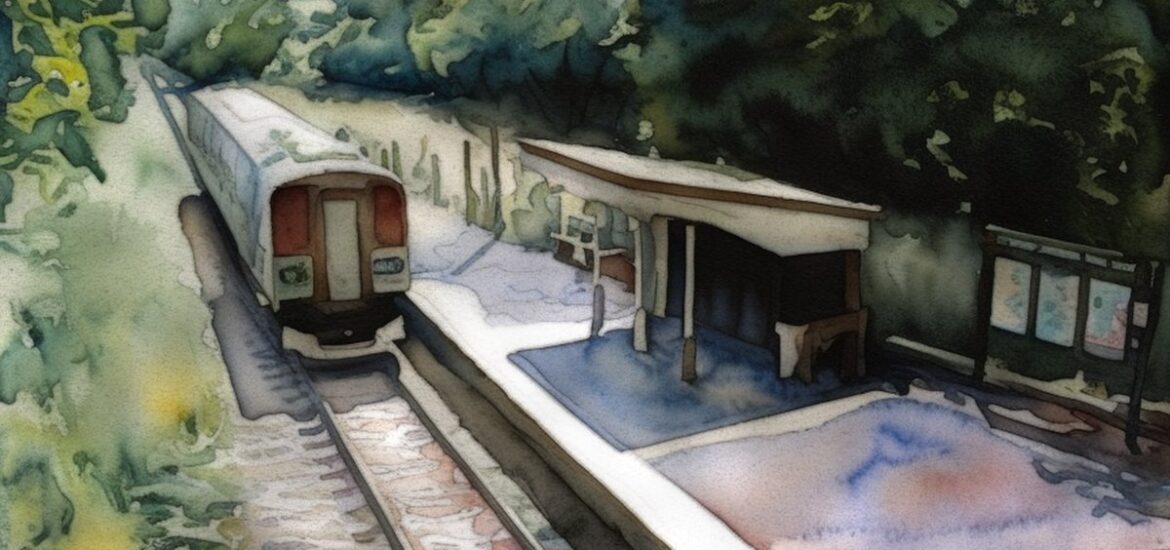
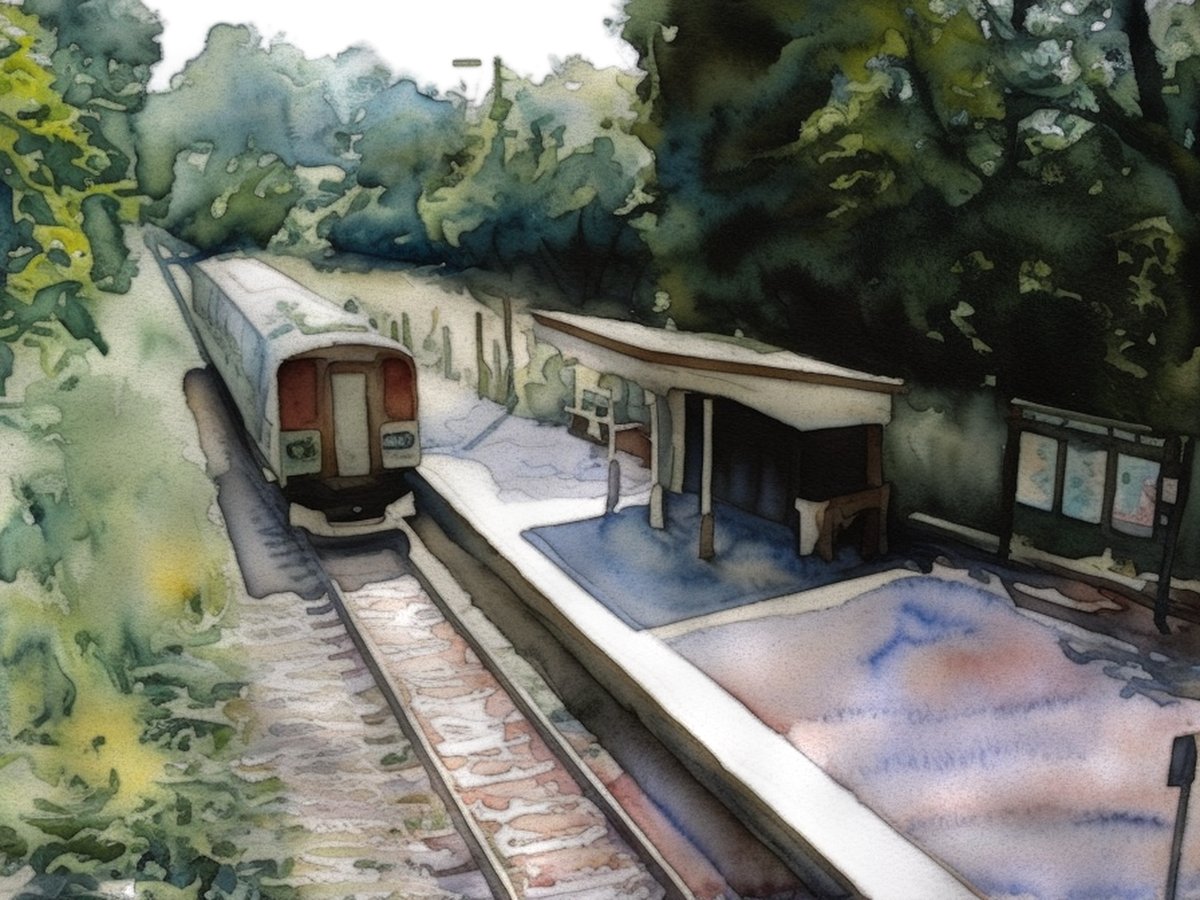
St Keyne Wishing Well Halt railway station
There are buildings that announce themselves and there are thresholds that barely interrupt the landscape. This Cornish halt belongs firmly to the second kind — a name far grander than the structure, borrowed from a holy well that lies a short walk away.
The halt and its line
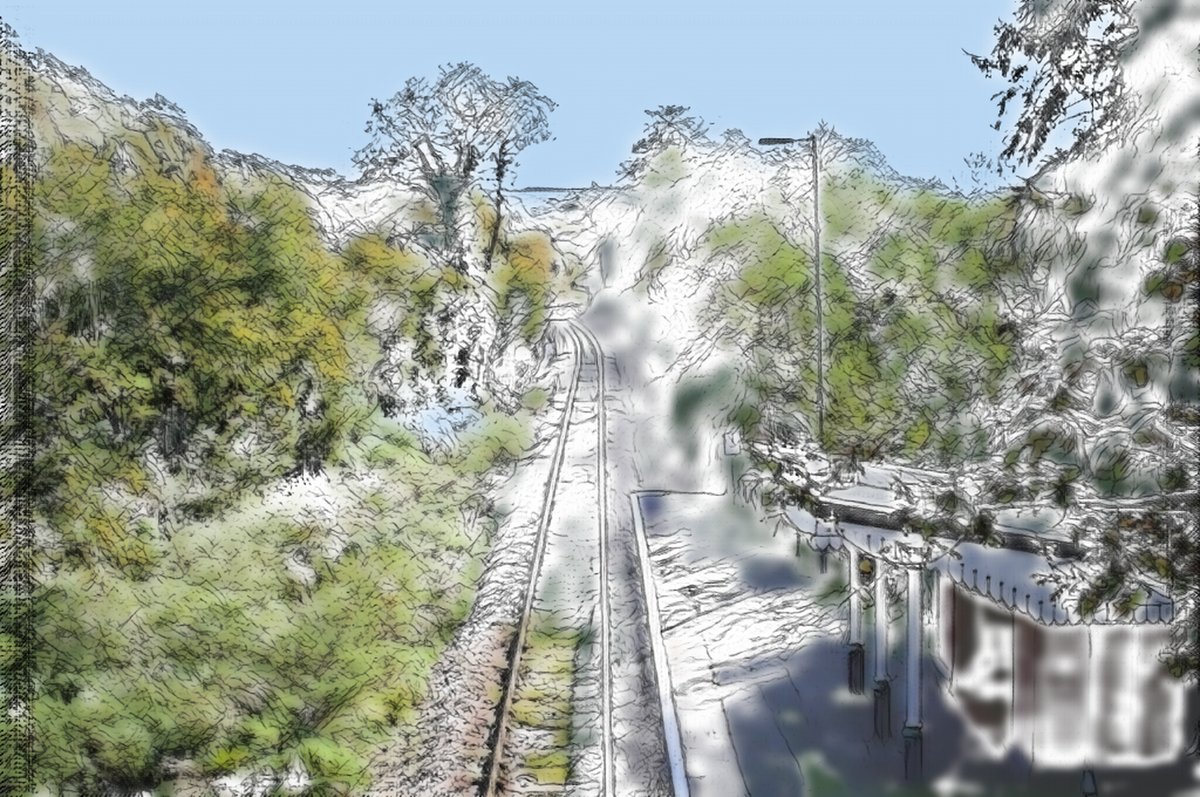
St Keyne Wishing Well Halt is an intermediate station on the scenic Looe Valley Line in Cornwall, England, serving the village of St Keyne. It sits adjacent to the Magnificent Music Machines museum of fairground organs and similar instruments. The line itself began as the Liskeard and Looe Railway, opened for goods on 27 December 1860, with passenger trains following on 11 September 1879. The link from Coombe Junction to Liskeard opened on 25 February 1901, and the St Keyne station opened in October 1902.
A minimal architecture. The only facilities here are a small waiting shelter and information boards, including timetable posters. There is no ticket office; passengers must buy in advance or pay the guard on the train. This is architecture pared to its essence — shelter, signage, and a platform edge.
Naming and ceremony. It is one of only two stations on the network carrying the suffix “halt,” the other being Coombe Junction on the same line. The term was removed from British Rail timetables and signs by 1974, returned in 1978 for IBM Halt in Scotland, and was applied again when these two stations were renamed in 2008. Tickets, tellingly, still render the name as merely “St Keyne.”
The well and its legend
The name points beyond the platform. St Keyne’s Well is a holy well dedicated to Saint Keyne, located about 0.8 kilometres (0.5 mi) south of the station. The “wishing well” of the halt’s modern title gestures toward that older, sacred site — a place of devotion distinct from the railway architecture that now bears its name. The source records the dedication and the distance; it does not detail the well’s own structure or the particulars of its tradition.
A ritual of the rails
There is, fittingly, a small ritual built into using the halt. These trains call only on request: those alighting must tell the conductor, and those waiting must signal clearly to the driver as the train approaches. Promoted as the “Looe Valley Line” and designated community rail, it asks the traveller to declare an intention — a quiet echo, perhaps, of the wishing that gave the place its name.
St Keyne, United Kingdom